
Imagine you’re deep into a welding project, and suddenly, things aren’t going as planned. The arc starts behaving unpredictably, leading to unwanted defects in your work.
Frustrating, right? You’re likely experiencing what’s known as “Arc Blow. ” Understanding this phenomenon is crucial for anyone in the welding field—whether you’re a seasoned pro or just starting out. Arc Blow can significantly impact the quality of your welds, and knowing how to tackle it can save you time and resources.
By diving into the intricacies of Arc Blow, you will equip yourself with the knowledge to maintain control over your welding projects. Get ready to explore what causes Arc Blow, how it affects your work, and most importantly, how you can prevent it from derailing your projects. You’ll find practical tips and insights that can make a real difference in your welding outcomes. Let’s get started!

Credit: www.youtube.com
Arc Blow Basics
Arc blow in welding occurs when magnetic fields disrupt the arc path, causing it to deflect. This issue can lead to poor weld quality and difficulty in controlling the arc. Understanding arc blow is crucial for achieving stable and consistent welds.
Arc Blow Basics can be a tricky aspect of welding that even seasoned welders sometimes overlook. It affects the stability of the welding arc and can make your job much harder if not properly managed. Understanding what arc blow is and how to deal with it can significantly improve your welding results. Let’s dive into the essentials.What Is Arc Blow?
Arc blow occurs when the welding arc is deflected away from its intended path. This can cause weld defects and make it difficult to control the molten pool. It typically results from magnetic forces that interfere with the electrical arc. There are two primary types: electromagnetic arc blow and thermal arc blow. Electromagnetic arc blow is caused by magnetic fields generated by the welding current. Thermal arc blow results from uneven heating, leading to air currents that push the arc off course.Causes Of Arc Blow
Several factors contribute to arc blow. High welding currents can create strong magnetic fields, while improper grounding can exacerbate the issue. If you’re working with ferromagnetic materials, the likelihood of experiencing arc blow increases.Effects On Your Welding
Arc blow can lead to incomplete fusion and poor penetration. Imagine spending hours on a project only to have to redo it because of defects. It can also cause spatter, leading to a messy work environment.Personal Experience With Arc Blow
I recall a project where arc blow left me frustrated. I was welding a large steel structure, and the arc kept drifting unpredictably. Adjusting the ground clamp position solved the problem, highlighting the importance of proper setup.How To Minimize Arc Blow
You can take steps to reduce the impact of arc blow. Adjust the angle of your electrode to counteract magnetic forces. Position the ground clamp closer to the weld area to minimize magnetic interference.Is Arc Blow Affecting Your Welds?
Have you noticed defects or irregularities in your welds? Arc blow might be the culprit. Consider reassessing your setup and techniques to ensure that arc blow isn’t sabotaging your work.Final Thoughts On Arc Blow
Arc blow doesn’t have to be a barrier to quality welding. By understanding its causes and effects, you can take proactive measures to manage it effectively. Remember, a successful weld starts with a stable arc. What strategies will you try next to tackle arc blow?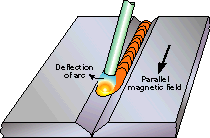
Credit: www.twi-global.com
Types Of Arc Blow
Arc blow is a common issue in welding. It causes the arc to become unstable. This can lead to poor weld quality. There are two primary types of arc blow. Each type has unique causes and solutions. Understanding these types helps in achieving better welds.
Magnetic Arc Blow
Magnetic arc blow happens due to magnetic fields. These fields are often present around the welding area. They can cause the arc to deflect. This deflection makes the welding process difficult. Magnetic arc blow usually occurs in DC welding. It is more common with long arc lengths. Strategies to reduce it include adjusting the welding direction. Using AC welding can also help in some cases.
Thermal Arc Blow
Thermal arc blow is caused by uneven heating. This type of arc blow occurs when the workpiece has different temperatures. It often appears at the start or end of a weld. It can also happen in thick materials. The arc tends to move towards the hotter area. Controlling heat input can reduce thermal arc blow. Shorter arc lengths also help. Preheating the metal might be necessary for thick pieces.
Common Causes
Arc blow in welding often results from magnetic fields interfering with the arc’s stability. Misalignment of electrodes can exacerbate this issue. It can also occur due to improper grounding or welding on magnetized materials.
Understanding the common causes of arc blow in welding is crucial for anyone involved in this craft. Arc blow can disrupt your welding process, leading to defects and frustrations. By grasping the main causes, you can prevent this issue and improve your welding quality. Let’s dive into the specifics.Magnetic Fields
Arc blow often results from magnetic fields affecting the welding arc. When you weld ferromagnetic materials like steel, the magnetic field can become unbalanced. This imbalance pulls the arc away from the weld joint. Have you ever noticed the arc wandering unpredictably? That might be the influence of magnetism at play. To combat this, try welding in alternating directions. This can help balance the magnetic forces.Welding Current
The amount and direction of welding current significantly impact arc blow. High current settings can intensify the magnetic field, worsening the arc blow effect. Adjusting your current settings might be necessary for different materials and thicknesses. Pay attention to your equipment setup. Sometimes, simply switching the polarity can reduce or eliminate arc blow.Weld Joint Design
The design of the weld joint itself can cause arc blow. Complex or restrictive joint designs may concentrate magnetic fields. Consider the layout of your joint. Is it too narrow or has sharp angles? These could contribute to arc blow. Experiment with joint configurations. Testing different designs can lead to smoother welding operations. Have you encountered arc blow during a project? Reflecting on these causes might provide the solution you need. Understanding and adapting to these elements can make your welding process more efficient and less stressful.Identifying Arc Blow
Arc blow occurs in welding when the arc is deflected from its path. This can lead to poor weld quality. Identifying arc blow involves observing erratic arc movement, spatter, and uneven weld beads.
Identifying arc blow in welding is crucial for achieving quality welds. Arc blow can distort the welding arc. This leads to defects and weak welds. Knowing how to spot it helps welders maintain control. It ensures strong and reliable welds. Below are key indicators to help identify arc blow.Visual Indicators
Arc blow often shows visible signs. Sparks might fly unevenly. The arc can wander off course. The weld bead may appear rough or irregular. These signs signal a problem. Pay attention to the arc’s behavior. Consistency in the arc is essential. If it is erratic, arc blow might be present.Welding Performance Issues
Arc blow affects welding performance. It can cause incomplete fusion. Welds may have excessive spatter. The heat-affected zone might be uneven. This results in weak joints. Welders may notice unusual noise. The arc may sound different. These performance issues suggest arc blow. Identifying these can prevent future weld problems.Preventive Measures
Arc blow in welding can lead to unstable arcs and poor weld quality. Preventive measures include using shorter cables and adjusting electrode angle. Maintaining a balanced magnetic field helps minimize its impact during welding.
Preventive measures are essential in tackling arc blow in welding. Arc blow can disrupt weld quality and create defects. Understanding ways to control it ensures smoother operations and better results. Techniques and equipment play a significant role in minimizing arc blow effects. Here’s how you can prevent arc blow with some practical strategies.Adjusting Welding Technique
The way you weld affects arc stability. Slow down your welding speed for better control. Change electrode angles to direct the arc properly. Avoid excessive weaving, which can worsen arc blow. Stay focused on maintaining a steady hand. Practice makes it easier to manage the arc’s behavior.Equipment Modifications
Certain equipment adjustments help reduce arc blow. Use shorter electrode extensions to limit arc wandering. Choose low-amperage settings to minimize interference. Consider using alternating current (AC) to counteract arc blow. Invest in tools designed for better arc control. These modifications lead to improved weld quality.Proper Grounding
Effective grounding is crucial in preventing arc blow. Ensure grounding connections are secure and reliable. Position ground clamps close to the welding site. Avoid multiple grounding points that can cause interference. Proper grounding stabilizes the arc and reduces blow effects. It plays a vital role in achieving consistent welds.
Credit: www.lincolnelectric.com
Effective Solutions
Arc blow in welding refers to the deflection of the welding arc caused by magnetic fields. It often results in uneven welds and can be frustrating for welders. Effective solutions include adjusting the welding direction, reducing current, or using magnetic clamps to control arc behavior.
In the world of welding, arc blow can be a frustrating challenge. It causes the arc to deflect, leading to poor weld quality. Fortunately, there are effective solutions to tackle this issue, making your welding work smoother and more reliable. Let’s dive into some practical methods you can use to prevent or reduce arc blow.Using Ac Current
Switching to AC current can be a game-changer in managing arc blow. AC current alternates direction, which helps in balancing the magnetic fields that cause arc blow. This method is particularly effective when welding materials like steel that are prone to magnetic interference. Next time you’re struggling with arc blow, consider swapping your DC setup for an AC one. You’ll notice a more stable arc and improved weld quality. It’s a simple change that can make a significant difference.Weld Sequence Adjustments
Adjusting your weld sequence can also mitigate arc blow. Begin welding from the point where magnetic interference is strongest and work towards the weakest point. This strategy helps in counteracting the magnetic fields and stabilizing the arc. Think of it as planning your path strategically. By altering the sequence, you can enhance control over the weld, resulting in a cleaner finish. Have you ever tried adjusting your sequence to see how it affects the arc?Alternate Electrode Angles
Changing the angle of your electrode is another effective solution. By experimenting with different angles, you can find a position where the arc stabilizes. This adjustment can help you maintain a consistent arc and reduce blow. Try slightly angling the electrode away from the area with the most interference. It may seem like a minor tweak, but it can significantly impact the weld’s outcome. Have you noticed how a small change in angle can transform your welding experience? By implementing these strategies, you can effectively manage arc blow and achieve better welding results. Remember, a little experimentation can go a long way in improving your technique. What will you try first to tackle arc blow in your next welding project?Tools And Equipment
Understanding arc blow in welding requires the right tools and equipment. Quality tools ensure a stable arc and reduce disruptions. Using the right equipment can also enhance weld quality and safety.
Magnetic Clamps
Magnetic clamps help hold metal pieces together during welding. They maintain a firm grip, preventing movement. This stability reduces the chances of arc blow. Magnetic clamps are easy to use and reposition. They are versatile and suitable for various welding tasks. For best results, choose clamps with strong magnetic force. This ensures better hold on thicker metals.
Specialized Welding Machines
Specialized welding machines are designed to minimize arc blow. They offer better control over current flow and polarity. These machines often come with adjustable settings. Adjustments help tailor the process to specific welding needs. Some machines also have built-in features to counteract magnetic interference. This enhances the welding process and improves outcomes.
Case Studies
Arc blow is a common challenge in welding, affecting quality and precision. Examining real-life scenarios helps understand its impact and solutions. Let’s explore case studies that reveal industrial challenges and successful strategies.
Industrial Welding Challenges
Arc blow disrupts the welding process. It causes welding arcs to deflect. This deflection results in poor bead appearance. In heavy industries, this issue impacts production speed. It can lead to costly reworks and delays.
Case studies show arc blow often occurs in steel construction. Magnetic fields in steel attract the welding arc. This attraction causes instability. Workers in shipyards face similar problems. Arc blow in shipyards complicates welding tasks. It affects the integrity of joints.
Successful Mitigation Strategies
Overcoming arc blow requires strategic approaches. Adjusting welding parameters is effective. Changing current direction reduces magnetic interference. Using alternating current helps balance arc control. Skilled welders apply these techniques with precision.
Another strategy involves equipment modification. Adding magnetic clamps stabilizes the arc. Clamps redirect magnetic fields. This adjustment ensures smoother welding operations. Companies invest in specialized training. Training enhances worker skills to manage arc blow challenges.
Case studies highlight teamwork in solving arc blow. Collaborative efforts among engineers and welders lead to innovative solutions. Sharing knowledge and experiences improves welding outcomes. These strategies enhance productivity and quality.
Frequently Asked Questions
What Causes Arc Blow In Welding?
Arc blow in welding is caused by magnetic fields that interfere with the welding arc. These fields can result from uneven electrical currents or proximity to ferromagnetic materials. It can lead to unstable arcs, poor weld quality, and defects.
How Can I Prevent Arc Blow?
To prevent arc blow, adjust the electrode angle and polarity. Use low-hydrogen electrodes to minimize magnetic interference. Position the workpiece to reduce magnetic field effects. Additionally, use proper grounding and avoid welding near strong magnetic materials.
What Are The Effects Of Arc Blow On Welds?
Arc blow can cause several issues in welds, including porosity, incomplete fusion, and irregular bead shape. It can also lead to undercutting and excessive spatter. These defects compromise the weld’s strength and durability, necessitating corrective measures.
Does Electrode Polarity Affect Arc Blow?
Yes, electrode polarity significantly influences arc blow. DC electrode negative (DCEN) reduces arc blow by creating a more stable arc. Conversely, DC electrode positive (DCEP) can exacerbate arc blow. Adjusting polarity can help control and mitigate arc blow effects in welding.
Conclusion
Arc blow in welding can cause challenges, but solutions exist. Understanding its causes helps prevent issues. Proper grounding and technique are crucial. Always monitor your welding environment. Adjust if needed. This ensures a smooth process and strong welds. Remember, practice improves skill.
Keep learning and experimenting. Stay informed on best practices. This reduces arc blow risks. Welding becomes more efficient and safe. By knowing arc blow, you enhance your welding projects. Happy welding!
About The Author

