
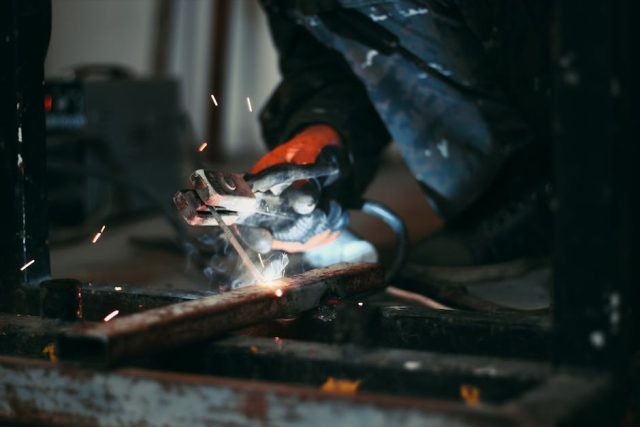
Have you ever wondered what arc welding is used for? Perhaps you’ve seen sparks flying at a construction site or watched a skilled welder in action and found yourself curious.
Arc welding is a powerful technique that fuses metals together, creating robust and enduring structures. Whether you’re building skyscrapers, crafting intricate metal art, or repairing essential machinery, arc welding plays a pivotal role. But that’s not all—arc welding is a cornerstone in industries ranging from automotive to aerospace.
Its applications are vast and fascinating, and understanding them might just unlock new perspectives for you. Dive into the world of arc welding and discover how it shapes the environments around you. Your curiosity is the spark; let this article fuel the flame.

Credit: www.theengineeringchoice.com
Arc Welding Basics
Arc welding is a fascinating technique that plays a pivotal role in various industries. Understanding the basics can open up a world of possibilities for those curious about metal fabrication. Whether you’re a hobbyist looking to dabble in metalwork or a professional seeking to refine your skills, grasping the fundamentals of arc welding is essential. Let’s dive into the core principles and explore the different types of arc welding.
Core Principles
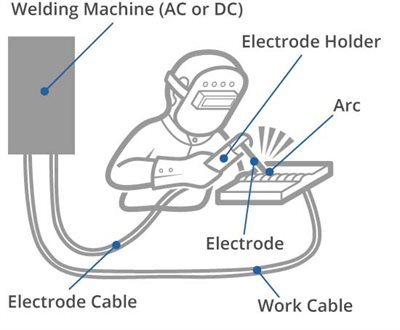
Arc welding relies on an electric arc to melt and join metals. The process begins by creating an arc between the welding electrode and the workpiece. This intense heat melts the metals, allowing them to fuse together when cooled. Precision is key; maintaining the correct distance and angle can significantly affect the weld quality.
Safety is non-negotiable. Proper gear, including gloves and helmets, protects you from sparks and harmful UV rays. Have you ever wondered what happens when the arc is unstable? Uneven welds and weak joints could result. Consistency in arc control ensures strong, reliable connections.
Types Of Arc Welding
Arc welding isn’t a one-size-fits-all process. Various techniques cater to different needs and materials. Shielded Metal Arc Welding (SMAW), also known as stick welding, is popular for its versatility and simplicity. It’s often used in construction and repair jobs.
Gas Tungsten Arc Welding (GTAW) or TIG welding is renowned for its precision. Ideal for thin materials, it produces clean, high-quality welds. Ever tried welding aluminum or stainless steel? TIG is your go-to choice.
Gas Metal Arc Welding (GMAW), commonly referred to as MIG welding, is perfect for beginners. It uses a continuous wire feed, making the process quicker and easier. If you’re working on large projects, MIG welding can save you time and effort.
Which type of arc welding suits your project? Consider the material, thickness, and desired finish. Each method has its strengths, and choosing the right one ensures optimal results. Have you found your preferred welding style yet?
Industrial Applications
Arc welding plays a crucial role in various industrial applications. It is a key process in industries that require strong and durable metal joints. Its versatility makes it ideal for various large-scale projects. Let’s explore some key industrial sectors where arc welding is essential.
Construction Industry
Arc welding is vital in the construction industry. It helps build skyscrapers, bridges, and tunnels. Welding ensures these structures are stable and secure. Steel frameworks rely heavily on arc welding. It provides strong joints that withstand heavy loads. Construction projects demand precise and efficient welding. Arc welding meets these demands effectively.
Automotive Manufacturing
The automotive industry uses arc welding extensively. It is crucial for assembling car frames and bodies. Welding creates strong bonds between metal parts. This process ensures vehicle safety and durability. Automated welding robots often perform arc welding in factories. This increases efficiency and precision. High-quality welds are essential for reliable vehicles.
Shipbuilding And Marine
Arc welding is indispensable in shipbuilding. It constructs and repairs ships of all sizes. Welding provides watertight and strong joints for ships. Marine environments require durable welding techniques. Arc welding withstands harsh marine conditions. It ensures the integrity of ship hulls and other structures. This makes it a preferred method in the marine industry.
Art And Sculpture
Art and sculpture often bring ideas to life through creative metalwork. Arc welding plays a crucial role in this transformation. Artists and sculptors use arc welding to join metal pieces. This technique allows for precision and creativity in their work. The process provides flexibility and strength. It is essential in creating lasting art pieces.
Creative Metalwork
Arc welding helps artists in crafting intricate metal designs. Sculptors can easily join different metal parts. This enables them to create unique shapes and forms. The technique allows for detailed work on various metals. Artists can explore different textures and finishes. This adds depth to their creations.
Arc welding supports innovation in metal art. It offers endless possibilities for expression. Artists can create both small and large pieces. Each work can reflect the artist’s vision. The technique’s versatility encourages experimentation. This leads to new artistic styles and trends.
Public Installations
Arc welding is vital in creating public art installations. Large sculptures and structures need strong joints. This welding technique ensures durability and safety. Public installations must withstand weather and time. Arc welding provides the necessary strength.
These installations often become landmarks. They enrich public spaces and communities. The use of arc welding allows for grand designs. Artists can create impactful and memorable pieces. Public art can inspire and engage people. Arc welding helps bring these visions to life.
Credit: www.twi-global.com
Repair And Maintenance
Arc welding plays a crucial role in the world of repair and maintenance. Whether it’s fixing a broken piece of machinery or ensuring the safety of infrastructure, this versatile technique offers reliable solutions. Its ability to fuse metals together makes it a go-to method for many repair professionals. But have you ever wondered how exactly arc welding helps in different scenarios?
Machinery Repair
In the world of machinery, breakdowns can lead to costly downtime. Arc welding offers a quick and effective way to repair metal components. Imagine a tractor on a farm with a cracked bucket or a factory conveyor with a broken link—arc welding can restore these parts to full function.
You might have seen a welder in action at a garage or workshop. They use arc welding to repair car frames, engine parts, and other metal components. This technique is invaluable because it allows for strong, durable repairs that can withstand heavy use.
Have you ever needed to repair a metal tool or structure in your home? Arc welding can be an accessible skill for personal projects as well. With the right equipment and a bit of practice, you could fix a variety of metal items on your own.
Infrastructure Maintenance
Infrastructure maintenance is another area where arc welding shines. Bridges, railways, and pipelines are just a few examples where welding is essential. These structures endure constant stress and environmental factors, making regular maintenance critical.
Arc welding helps maintain the integrity of infrastructure by repairing cracks and reinforcing weak points. A well-executed weld can prevent small issues from becoming major hazards. Have you ever crossed a bridge and wondered about the unseen work that keeps it safe?
When natural disasters strike, infrastructure can be severely damaged. Welders are often among the first responders, using arc welding to restore essential services. Their work ensures that communities can recover and return to normal life as quickly as possible.
Now, think about the role you play in this process. Whether you’re a professional welder or someone interested in learning, understanding arc welding’s applications in repair and maintenance can be empowering. What projects could you tackle with this knowledge?
Advantages Of Arc Welding
Arc welding is vital for joining metals in construction and manufacturing. It offers strong, durable welds and is efficient for large-scale projects. This method is versatile, making it suitable for various metal types and thicknesses, enhancing structural integrity in numerous applications.
Arc welding is a popular method for joining metals, offering distinct advantages that make it a go-to choice in various industries. Whether you’re in construction, automotive, or manufacturing, understanding the benefits of arc welding can help you make informed decisions. Let’s dive into the perks that make arc welding a preferred technique.Cost Efficiency
Arc welding is known for its cost-effectiveness. Equipment needed for arc welding is generally affordable compared to other welding methods. This makes it accessible for small workshops and large-scale industries alike. You don’t need to invest heavily to get started. Plus, the process itself is quick, saving time and reducing labor costs. Imagine finishing a project faster without breaking the bank.Versatility And Flexibility
Arc welding excels in versatility. You can use it on different metals, from steel to aluminum. This flexibility opens up numerous possibilities for diverse applications. I once repaired a metal fence using arc welding. It was surprising how smoothly it handled different metal types. This adaptability is a game-changer for projects with varied materials. Have you ever faced a situation where you needed a solution that works in multiple scenarios? Arc welding might be your answer. Its ability to accommodate different shapes and sizes is impressive. These advantages make arc welding a reliable choice. Whether you’re looking to save money or need a technique that adapts to various needs, arc welding offers practical benefits. Consider incorporating it into your next project and experience the difference firsthand.Safety Considerations
Arc welding joins metal pieces in construction and manufacturing. Safety gear like gloves and helmets is crucial. Proper ventilation and training reduce risks from fumes and sparks.
When you’re diving into the world of arc welding, understanding safety considerations is crucial. Arc welding is a powerful tool, but it comes with its share of risks. By taking the right precautions, you can ensure a safer welding experience. Let’s explore some essential safety tips to keep in mind.Protective Gear
When welding, wearing the right protective gear can make a huge difference. A welding helmet with a proper shade lens is vital to protect your eyes from harmful UV rays and intense light. You should also wear fire-resistant clothing to protect your skin from sparks and hot metal. Gloves are another must-have. They should be flame-resistant and provide flexibility for handling tools. Remember, investing in quality gear can save you from painful injuries and long-term health issues.Common Hazards
Arc welding involves several hazards that you should be aware of. Electric shock is one of the most serious risks. Always ensure your equipment is properly grounded and never touch the electrode or conductive parts with bare skin. Fumes and gases are another concern. Ensure your workspace is well-ventilated. Inhaling these can lead to respiratory problems. Using a fan or working outdoors can help disperse harmful fumes. Fire hazards are ever-present. Keep a fire extinguisher nearby and make sure your work area is free of flammable materials. A small spark can quickly ignite a fire if you’re not careful. Have you ever thought about the importance of regular equipment checks? Faulty equipment can lead to unexpected accidents. Make it a habit to inspect your gear before starting any welding project. By keeping these safety considerations in mind, you not only protect yourself but also those around you. What steps will you take today to enhance your safety practices in welding?Future Trends
The future of arc welding looks promising with several emerging trends. These trends focus on enhancing efficiency, sustainability, and technology. Let’s explore the key areas shaping the future of arc welding.
Technological Advancements
Technological advancements are driving changes in arc welding. Robotics is becoming more common in welding applications. Robots perform tasks with precision and speed. This reduces human error and increases productivity. Automation allows for consistent weld quality. It also reduces the need for skilled labor.
Furthermore, AI is making its way into arc welding. AI systems can predict potential issues before they occur. This predictive capability helps maintain high-quality standards. It also minimizes downtime and increases efficiency.
Sustainable Practices
Sustainability is a major trend in arc welding. Manufacturers are focusing on eco-friendly processes. Energy-efficient welding machines are gaining popularity. These machines consume less energy, reducing carbon footprints.
Recycling of welding materials is also on the rise. This reduces waste and supports environmental goals. Sustainable practices not only help the planet but also cut costs. Companies save money on materials and energy bills.

Credit: zerohourparts.com
Frequently Asked Questions
What Industries Use Arc Welding?
Arc welding is widely used in construction, automotive, and shipbuilding industries. It’s essential for manufacturing heavy machinery and creating pipelines. This versatile technique is crucial in industries requiring strong, durable metal joints. Its applications extend to aerospace and infrastructure projects, making it vital for various engineering fields.
Why Is Arc Welding Popular?
Arc welding is popular due to its efficiency and cost-effectiveness. It produces strong and durable welds quickly. This method is versatile, suitable for different metals and thicknesses. Its adaptability to various environments, including outdoor settings, increases its demand across industries.
The availability of equipment also contributes to its widespread use.
How Does Arc Welding Work?
Arc welding uses an electric arc to melt and join metals. The process involves creating an arc between an electrode and the workpiece. This generates intense heat, which melts the metal at the joint. As the melted metal cools, it solidifies, forming a strong bond.
Protective gas or flux shields the weld from contamination.
What Materials Can Be Arc Welded?
Arc welding is suitable for a variety of metals, including steel, stainless steel, and aluminum. It’s also effective on copper, nickel, and their alloys. This versatility makes it a popular choice for many applications. The process can handle different thicknesses, providing flexibility in manufacturing and repair work across industries.
Conclusion
Arc welding plays a vital role in many industries. It connects metal parts with precision. From construction to manufacturing, its uses are vast. Skilled welders create strong, durable joints. This technique ensures safety and quality in various projects. Its versatility makes it a preferred choice for professionals.
Understanding its applications helps in selecting the right welding method. Arc welding, with its proven reliability, supports countless structures and products. As technology evolves, so does its effectiveness. Learning about arc welding opens doors to numerous opportunities. Embrace its potential for strong, lasting connections in your work.
About The Author

