
Are you trying to decide between braided wire and welded wire fencing but worried about the cost? Choosing the right fencing can feel confusing, especially when budget matters most.
You want a solution that not only protects your property but also saves you money in the long run. You’ll discover which fencing option is cheaper and why. By the end, you’ll have the clear information you need to make the best choice for your space—and your wallet.
Keep reading to find out which fencing type gives you the most value without breaking the bank.
Braided Wire Fencing Basics
Braided wire fencing is a popular choice for many property owners. It offers a flexible and affordable way to secure land. This type of fencing uses interwoven wires to create a strong barrier. It is often chosen for farms, gardens, and animal enclosures. Understanding the basics helps decide if braided wire fencing fits your needs.
Materials Used
Braided wire fencing is mostly made from galvanized steel. The steel wires are twisted together tightly. Galvanizing protects the wire from rust and weather damage. Some braided fences use high-tensile steel for extra strength. The wire thickness varies depending on the fence purpose. Posts are usually wood or metal to support the wire structure.
Installation Process
Installing braided wire fencing requires setting posts in the ground first. Posts should be spaced evenly for stability. The braided wire is then stretched between posts. Tension is important to prevent sagging. Clips or staples hold the wire on the posts. The process can be done by hand or with specialized tools. Proper installation ensures the fence lasts longer and performs well.
Durability And Maintenance
Braided wire fencing is durable due to its strong materials. Galvanized steel resists rust for many years. Occasional inspections help catch loose wires or damaged posts. Repairs usually involve tightening wire or replacing sections. Keeping vegetation away from the fence reduces wear. Maintenance is simple and cost-effective, making braided wire fencing a reliable choice.

Credit: www.amazon.com
Welded Wire Fencing Basics
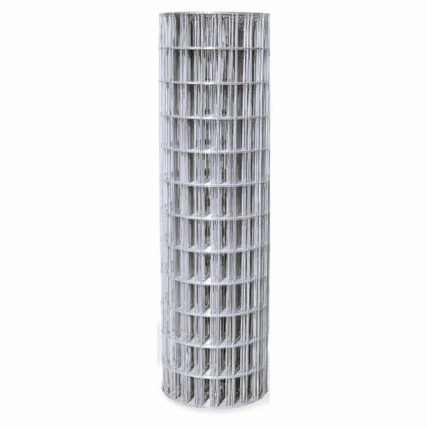
Welded wire fencing stands out as a practical choice when you need a secure boundary without spending a fortune. Its straightforward design involves wires welded at intersections, creating a strong mesh. This simplicity often translates to cost savings and ease of use, making it a favorite among homeowners and farmers alike.
Materials Used
The core of welded wire fencing is steel wire, which comes in various thicknesses depending on the intended use. Most fences use galvanized steel to resist rust, extending the fence’s lifespan. You can also find PVC-coated options that add a layer of protection and come in different colors to match your property’s style.
Choosing the right material impacts both durability and price. Thicker wires offer more strength but cost more. Think about what you need—security, aesthetics, or just a simple boundary—to pick the best fit for your budget.
Installation Process
Installing welded wire fencing is generally straightforward, especially if you have a clear fence line. Start by setting sturdy posts at regular intervals, usually 6 to 10 feet apart. Then, unroll the welded wire mesh and attach it to the posts using staples or clips.
You might find it easier to work with a helper when stretching the wire to avoid sagging. Also, using a tension wire along the bottom or top can keep the fence taut and stable. Have you ever tried installing a fence on uneven ground? Adjusting the wire height at each post helps maintain a neat appearance.
Durability And Maintenance
Welded wire fencing is tough and resists sagging better than some other types, thanks to its welded joints. Galvanized coatings protect it from rust, but over time, exposure to harsh weather can cause wear. Regularly inspect your fence for loose wires or damaged posts to keep it in top shape.
Maintenance is usually simple: a quick clean and tightening any loose sections do the trick. If you want your fence to last longer without much effort, consider adding a protective paint or sealant. How often you maintain your fence can make a big difference in its lifespan and appearance.
Cost Factors For Braided Wire
Understanding the cost factors for braided wire fencing can help you make smarter choices for your project. Braided wire, known for its flexibility and strength, varies in price depending on several key elements. Knowing what drives these costs can help you stay within your budget without sacrificing quality.
Material Costs
The type of metal used in braided wire greatly affects the price. Galvanized steel is common and affordable, but stainless steel costs more due to its rust-resistant properties.
The thickness and gauge of the wire also matter. Thicker wires provide better durability but increase material expenses. Have you considered how long you want your fence to last? Spending more upfront on quality materials might save money on repairs later.
Labor Expenses
Installing braided wire fencing takes skill and time. Labor costs vary depending on the installer’s experience and your location.
Complex terrain or longer fence lines can increase installation time and, therefore, labor expenses. If you’re handy, you might reduce costs by handling some of the work yourself, but precision is key to avoid future problems.
Additional Supplies
Don’t forget the extras needed to complete your fence. This includes posts, fasteners, tensioners, and sometimes concrete for setting posts securely.
These supplies add up quickly, especially if you choose higher-quality or specialty items. Checking what’s included in quotes can prevent surprise expenses later on.

Credit: www.amazon.ca
Cost Factors For Welded Wire
Understanding the cost factors for welded wire fencing can help you make a smarter choice for your fencing project. The overall price depends on several elements, each playing a role in the final bill. Knowing what affects the cost lets you plan better and avoid unexpected expenses.
Material Costs
The type and quality of wire used in welded wire fencing greatly affect the price. Galvanized steel wire tends to be more affordable but may rust over time, while stainless steel options cost more but last longer. The gauge (thickness) of the wire also matters—thicker wire means higher cost but better durability.
Think about how much fencing you need, too. Buying in bulk usually lowers the price per foot, but only if you’re sure of your measurements. Have you ever bought extra materials only to find you didn’t need them? Avoid this by measuring carefully before purchasing.
Labor Expenses
Installing welded wire fencing requires some skill, especially if the terrain is uneven or if you’re attaching it to existing structures. Labor costs vary based on the complexity of the job and local wage rates. If you handle installation yourself, you save money but spend more time and effort.
Hiring professionals might seem pricey upfront, but they often work faster and avoid costly mistakes. Ask yourself: Is your time worth the savings from a DIY job? Sometimes paying for expert installation pays off in the long run.
Additional Supplies
Don’t forget the extra materials needed to complete your fencing project. Posts, fasteners, concrete for setting posts, and gates all add to the total cost. These supplies can be easy to overlook until you’re midway through the job.
Also, consider tools like post-hole diggers or wire cutters if you don’t already have them. These one-time purchases might increase initial expenses but will help ensure a professional finish. Are you prepared for these added costs, or will they stretch your budget?
Comparing Costs Side By Side
Deciding between braided wire and welded wire fencing often boils down to cost. But looking at the price tag alone can be misleading. Understanding the full cost picture helps you make a smarter choice for your budget and needs.
Initial Investment
Welded wire fencing usually demands a higher upfront cost. The manufacturing process involves fusing wires together, which adds to the price. Braided wire, made by twisting wires, tends to be less expensive initially.
However, installation costs can vary. Welded wire often requires professional help due to its rigidity, while braided wire may be easier to set up yourself. Have you considered how much you’ll spend on labor or tools?
Long-term Expenses
Think about maintenance and durability over time. Welded wire is strong and resistant to bending but can rust if not properly coated. Braided wire may need more frequent repairs, especially if animals or weather take a toll.
Replacement costs add up. You might save money upfront with braided wire but face higher expenses down the road. How long do you plan to keep your fence in place?
Value For Money
It’s tempting to pick the cheaper option, but value comes from how well the fence meets your needs. Welded wire offers better security and longevity, which might justify the initial expense. Braided wire can work well for temporary or low-traffic areas.
Ask yourself what matters more: saving money now or avoiding hassle later. Sometimes spending a bit more upfront saves you from unexpected costs and headaches.
Choosing The Right Fence For Your Budget
Choosing the right fence for your budget means balancing cost with function and style. Both braided wire and welded wire fencing offer unique benefits that suit different needs. Understanding these differences helps you make a smart choice without overspending.
Purpose And Usage
Consider what you need the fence for. Braided wire works well for enclosing large areas like farms or gardens. It is flexible and strong, ideal for keeping animals in or out.
Welded wire fencing suits smaller areas or places needing more security. It has a rigid structure that is harder to cut or bend. This makes it good for protecting property or pets.
Environmental Considerations
Think about the climate and terrain. Braided wire handles uneven ground better due to its flexibility. It adapts to hills and slopes easily.
Welded wire is less flexible and may not fit rough terrain as well. It resists rust and corrosion if coated properly. This helps in wet or humid areas.
Aesthetic Preferences
Braided wire has a rustic, natural look. It blends well with rural or farm settings. The design looks less formal and more open.
Welded wire offers a neat, clean appearance. It fits modern or suburban homes better. The uniform grid pattern looks tidy and controlled.
Tips To Lower Fencing Costs
Reducing fencing expenses helps you stay within budget without sacrificing quality. Smart planning and simple strategies cut costs effectively. Focus on smart purchases and labor savings to lower the total price. These tips make fencing projects affordable and manageable.
Buying In Bulk
Purchasing fencing materials in large quantities often reduces the price per unit. Suppliers offer discounts for bulk orders, saving money overall. Buy all needed wire and posts at once to get better deals. Bulk buying also reduces multiple shipping fees, cutting extra costs.
Diy Installation
Installing the fence yourself saves on labor expenses charged by professionals. Basic tools and clear instructions make DIY fence setup doable. Take time to learn proper installation steps for a solid fence. DIY work also adds personal satisfaction and control over the project.
Seasonal Discounts
Fence materials often go on sale during off-peak seasons or holidays. Check for promotions in late fall or winter when demand is lower. Buying during discounts can reduce total fencing costs significantly. Plan your project timeline to match these sales for extra savings.

Credit: jhfence.com
Frequently Asked Questions
Which Is Cheaper: Braided Wire Or Welded Wire Fencing?
Braided wire fencing is generally cheaper due to simpler manufacturing. Welded wire fencing costs more because of stronger construction and durability.
What Factors Affect Braided And Welded Wire Fencing Costs?
Material quality, fence height, length, and installation complexity impact costs. Braided wire uses lighter materials; welded wire uses thicker, sturdier wire.
How Does Durability Compare Between Braided And Welded Wire Fencing?
Welded wire fencing is more durable and long-lasting. Braided wire is flexible but less resistant to damage over time.
Is Installation Cost Different For Braided Vs Welded Wire?
Installation for braided wire is usually quicker and cheaper. Welded wire requires more labor due to heavier materials and precise alignment.
Conclusion
Choosing between braided and welded wire fencing depends on your needs. Braided wire offers flexibility and strength. It’s ideal for uneven terrains. Welded wire, on the other hand, provides rigidity and durability. Best for flat surfaces and security purposes. Both options come with their own set of benefits.
Consider your budget and fencing requirements. Research well and make an informed decision. Think about longevity and maintenance. The right choice can save you money. And ensure safety for your property. Always weigh the pros and cons. Then select what fits best for you.
About The Author

