
Are you curious about how to achieve cleaner, stronger welds with precision? If you’ve heard of TIG welding but want to take your skills to the next level, understanding Lift TIG welding is key.
This technique offers you greater control and better results, especially on delicate or thin materials. You’ll discover exactly what Lift TIG welding is, how it works, and why it might be the perfect choice for your next project. Keep reading to unlock the secrets behind this powerful welding method and improve your craft today.
Basics Of Lift Tig Welding
Understanding the basics of Lift Tig Welding is essential if you want precise control over your welding projects. This technique gives you the ability to create clean, high-quality welds with minimal contamination. It’s a skill that can elevate your craftsmanship, especially when working with thin metals or delicate materials.
What Is Lift Tig Welding?
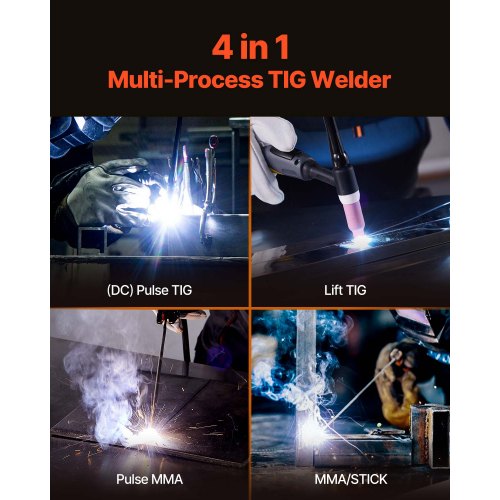
Lift Tig Welding is a type of Tungsten Inert Gas (TIG) welding where the arc starts by touching the tungsten electrode to the workpiece and then lifting it to create the arc. This controlled start prevents contamination of the tungsten and reduces the risk of damaging the material.
Unlike traditional high-frequency start methods, the lift start is gentler and often preferred for precision work. You might find this technique especially useful when working on stainless steel or aluminum.
How Does Lift Tig Welding Work?
The process begins by touching the tungsten electrode to the metal surface. As you lift the electrode, the welding machine senses this movement and initiates the arc. This method gives you more control over the start of the weld, minimizing spatter and contamination.
When I first switched to Lift Tig Welding, I noticed the cleaner starts immediately. It made my welds look professional without extra grinding afterward.
Benefits Of Lift Tig Welding
- Cleaner starts:Reduces tungsten contamination, leading to better weld quality.
- Better control:You control when the arc starts, which helps with delicate or thin materials.
- Less equipment interference:No high-frequency interference means fewer issues with nearby electronics.
- Consistent welds:Easier to maintain a steady arc length and heat input.
Have you ever struggled with tungsten sticking or tungsten contamination during TIG welding? Lift Tig welding can solve those problems by giving you a smooth arc start every time.
How Lift Tig Welding Works
Lift Tig welding is a precise welding technique that uses a special way to start the arc. It helps welders control the heat and avoid damage. This method is gentle on the materials and creates clean, strong welds.
Understanding how Lift Tig welding works helps you see why it is popular for delicate jobs. It involves a unique way to start the electric arc, different from other Tig welding methods.
Initiating The Arc By Touching The Electrode
The welder touches the tungsten electrode to the metal surface. This contact completes the electric circuit. It is a simple, controlled way to begin the welding process.
Lifting The Electrode To Create The Arc
After touching the metal, the welder slowly lifts the electrode. This action creates the welding arc between the electrode and the base metal. The arc heats the metal, melting it for joining.
Controlling The Heat And Preventing Contamination
Lift Tig welding gives precise control over the heat input. The slow lift avoids sudden surges in current. It reduces the risk of contamination and protects the tungsten electrode.
Maintaining A Stable Arc For Quality Welds
Once the arc is established, the welder keeps a steady distance. This stable arc produces consistent heat. It results in clean and strong weld beads with minimal spatter.
Adding Filler Metal When Needed
The welder can add filler metal to the molten pool. This step is optional but helps create stronger joints. The filler metal melts smoothly with the base metal.
Key Components And Equipment
The key components and equipment in Lift TIG welding play a crucial role in creating strong, clean welds. Each part has a specific function that helps control the welding process. Understanding these elements can improve welding quality and efficiency.
These components work together to deliver precision and control. They help maintain the arc and protect the weld from contamination. The right setup ensures smooth welding with minimal defects.
Welding Torch
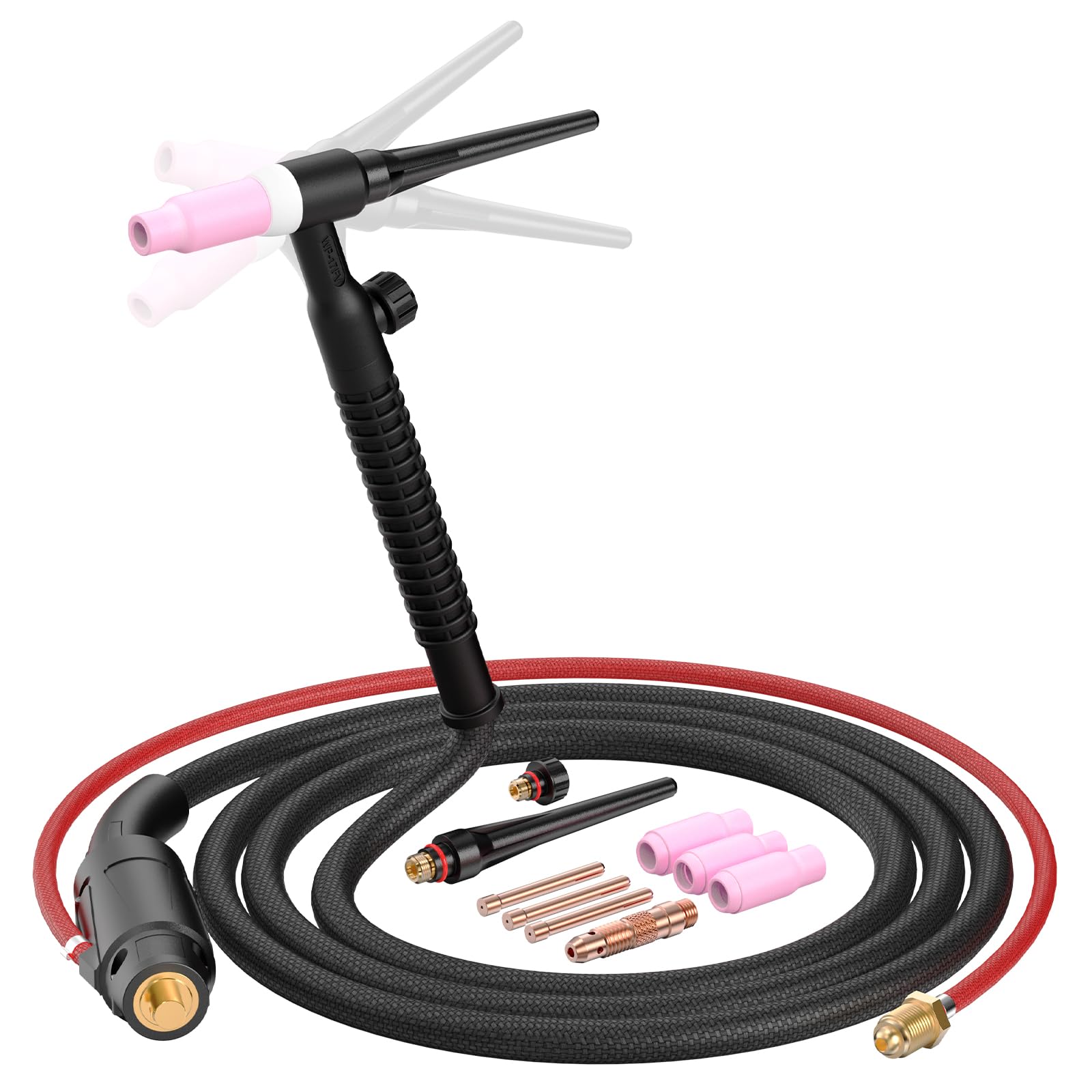
The welding torch holds the tungsten electrode and directs the current. It allows the welder to control the arc precisely. The torch design provides comfort and stability during welding. A good torch helps maintain consistent heat and arc length.
Tungsten Electrode
The tungsten electrode creates the arc that melts the metal. It must be sharp and clean for a stable arc. Different tungsten types suit different metals and welding currents. The electrode does not melt but withstands high temperatures.
Power Source
The power source supplies electric current to create the arc. It controls the voltage and amperage for stable welding. Lift TIG welding uses a DC power source for better control. Adjustable power settings help weld various metals and thicknesses.
Shielding Gas
Shielding gas protects the weld from air and contamination. Argon is the most common gas used in Lift TIG welding. It creates a clean, inert atmosphere around the weld area. Proper gas flow prevents oxidation and improves weld quality.
Advantages Of Lift Tig Welding
Lift Tig welding offers several benefits that make it popular among welders. It provides precise control over the welding process, resulting in high-quality welds. This method reduces the risk of contamination, ensuring cleaner joints and stronger connections.
Lift Tig welding is also easier to learn and use, especially for beginners. It allows better control of the arc start, which helps prevent defects. The technique also works well on thin metals, minimizing the chance of burn-through.
Precise Arc Control
Lift Tig welding gives excellent control over the arc start. This control helps create consistent welds without splatter. It reduces the chance of weld defects, improving overall quality.
Cleaner Welds
This method reduces contamination by lifting the electrode to start the arc. It prevents the tungsten from sticking to the metal. Cleaner welds mean stronger and more reliable joints.
Easy To Learn
Lift Tig is simple for beginners to master. The arc starts smoothly without sudden sparks. This ease of use helps new welders gain confidence quickly.
Works Well On Thin Metals
Lift Tig welding controls heat input precisely. This control prevents warping or burn-through on thin materials. It is ideal for delicate welding jobs.
Improved Safety
The controlled arc start lowers the risk of accidents. It reduces unexpected sparks and metal splashes. This safety aspect benefits both novice and experienced welders.
Common Applications
Lift TIG welding finds many uses across different industries. It is known for strong, clean welds. This method works well on thin metals. It also helps reduce contamination risks. Its precision suits delicate tasks and complex joints.
Many sectors rely on Lift TIG welding for quality results. The technique fits projects needing control and accuracy. Below are common applications where Lift TIG welding excels.
Automotive Industry
Lift TIG welding joins parts in car frames and exhaust systems. It creates smooth, strong seams that resist heat and stress. This method helps build lightweight yet durable vehicles. It also repairs thin sheet metals without warping.
Aerospace Manufacturing
Aerospace parts require precise and clean welds. Lift TIG welding meets these needs by minimizing metal distortion. It works well on aluminum and titanium parts. The process ensures high strength and safety standards.
Food And Beverage Equipment
Equipment for food processing needs contamination-free welds. Lift TIG welding produces clean joints without splatter or slag. Stainless steel tanks and pipes often use this method. It keeps surfaces smooth and easy to clean.
Art And Sculpture
Artists use Lift TIG welding for metal sculptures. It offers control to create fine details. The welds are neat, supporting delicate designs. This method allows joining various metal types creatively.
Electronics And Electrical Components
Small and precise welds are vital in electronics. Lift TIG welding joins thin wires and metal parts accurately. It prevents overheating sensitive components. This method ensures reliable electrical connections.

Credit: www.arccaptain.com
Preparing For Lift Tig Welding
Preparing for Lift Tig welding ensures strong, clean welds and safe work. Proper setup and materials make the welding process smoother and more efficient. This section covers key preparation steps for a successful Lift Tig welding experience.
Material Selection
Choose metals that suit Lift Tig welding, like stainless steel and aluminum. Avoid materials with coatings or dirt. Clean surfaces help achieve better weld quality. Select filler rods matching base metals for consistent results.
Safety Precautions
Wear protective gear to prevent burns and eye damage. Use welding helmets with proper shading to protect your eyes. Gloves and flame-resistant clothing shield your skin. Ensure good ventilation to avoid inhaling harmful fumes.
Workspace Setup
Set up a clean, organized workspace free of flammable materials. Use a stable surface to support your workpieces. Arrange tools and equipment within easy reach. Keep a fire extinguisher nearby for emergencies.
Techniques For Precision Welding
Precision is key in Lift Tig welding. It ensures strong, clean, and accurate welds. Using the right techniques helps control the arc, heat, and weld pool. This section explores essential methods to improve your welding accuracy and quality.
Arc Start Techniques
Lift Tig welding starts the arc by gently touching the tungsten to the metal. This avoids contamination and sparks. It gives better control over the arc start. Avoid quick or harsh contact to keep the tungsten sharp. A smooth arc start helps produce a stable and clean weld.
Controlling Heat Input
Heat control is crucial to prevent warping or burn-through. Adjust the current to match the metal thickness. Use short bursts of heat for thin materials. Keep the torch moving steadily to spread heat evenly. Proper heat control protects the base metal and maintains weld quality.
Managing Weld Pool
The weld pool is the molten metal area during welding. Watch the pool size closely to avoid defects. Keep the pool small for thin metals and larger for thick metals. Move the torch slowly and steadily for uniform weld beads. Managing the weld pool improves the weld’s strength and appearance.
Credit: www.vevor.ca
Troubleshooting Common Issues
Troubleshooting is key to mastering Lift TIG welding. Even small mistakes can cause big issues in your weld quality. Understanding common problems helps you fix them fast and improve your results.
Porosity Problems
Porosity shows up as tiny holes or bubbles in the weld. It weakens the weld and spoils its appearance. This usually happens because of gas contamination or moisture on the metal.
Check your shielding gas supply first. Make sure the gas flow is steady and the nozzle is clean. Also, wipe the metal surface dry and free from rust or oil before welding.
Have you noticed inconsistent gas flow during your welds? That could be the real culprit behind unexpected porosity. Try replacing gas hoses or tightening connections to solve this.
Arc Instability
An unstable arc can make your weld bead uneven or cause the arc to go out. This often happens due to incorrect amperage or a dirty tungsten electrode. It can also result from poor torch handling.
Adjust your amperage settings according to the metal thickness. Keep the tungsten sharp and clean by grinding it properly. Hold the torch steady and maintain the right angle to keep the arc focused.
Think about your torch movement—is it too fast or shaky? Slowing down and steadying your hand can stabilize the arc and give you smoother welds.
Electrode Contamination
Contaminated electrodes cause erratic arcs and poor weld quality. This happens if the tungsten touches the molten pool or the filler rod. Contamination introduces unwanted elements into the weld.
Keep the tungsten electrode clean by avoiding direct contact with the weld pool. Use the right electrode size and type for your job. If contamination occurs, stop welding and regrind the electrode tip before continuing.
Have you tried using a dedicated electrode for each metal type? Mixing electrodes can increase contamination risks and hurt your weld strength.
Maintenance And Care For Equipment
Proper maintenance and care keep Lift TIG welding equipment running smoothly. Regular checks prevent breakdowns and extend the machine’s lifespan. Clean and inspect parts often to avoid damage and poor weld quality.
Ignoring maintenance can cause costly repairs and unsafe conditions. Taking time to care for your equipment ensures consistent performance and safety on the job.
Cleaning The Torch And Electrode
Wipe the torch body with a clean cloth after each use. Remove any dust or metal particles from the electrode. Check for signs of wear or damage and replace parts as needed. Clean nozzles and gas cups to maintain proper gas flow.
Checking And Replacing Consumables
Monitor consumables like tungsten electrodes and collets regularly. Replace worn or contaminated electrodes to keep welds strong and clean. Use the correct size and type of consumables for your welding task.
Inspecting Cables And Connections
Look for cracks, cuts, or frays in welding cables. Tighten loose connections to prevent power loss or sparks. Replace damaged cables immediately to ensure operator safety.
Maintaining Cooling Systems
Check coolant levels if your machine has water cooling. Clean cooling fans and vents to avoid overheating. Proper cooling keeps the machine running efficiently during long jobs.
Regular Electrical Checks
Test the machine’s electrical components to detect faults early. Ensure proper grounding to avoid shocks. Have a qualified technician inspect wiring and controls periodically.
Future Trends In Lift Tig Welding
The future of Lift Tig welding holds exciting possibilities as technology and industry needs evolve. You might wonder how advancements will impact your welding projects and skills. Understanding upcoming trends can help you stay ahead and improve both efficiency and quality.
Advancements In Automation And Robotics
Automation is becoming more common in welding, including Lift Tig welding. Robots can perform precise, repeatable welds, reducing human error and increasing productivity. Imagine your workshop equipped with robotic arms handling complex welds while you focus on design and supervision.
These systems are also getting smarter with sensors that adjust welding parameters in real-time. This means fewer defects and less waste. Have you considered how using automated Lift Tig systems could free up your time and improve consistency?
Improved Welding Materials And Techniques
New filler materials and shielding gases are being developed to enhance weld strength and durability. These improvements allow Lift Tig welding to be used on more challenging metals like titanium and advanced alloys. This opens doors to industries such as aerospace and medical devices.
Techniques are also evolving to reduce heat input, minimizing distortion and improving finish quality. If you’re working on delicate components, adopting these advances could make your welds cleaner and more reliable.
Integration With Digital Monitoring Systems
Digital monitoring tools now allow real-time tracking of welding parameters and quality metrics. These tools provide detailed feedback, helping you detect issues early and maintain high standards. What if you could instantly see the strength and temperature of your welds on a tablet?
This data-driven approach also supports training and skill development by highlighting areas for improvement. You can build expertise faster and ensure every weld meets exact specifications.
Eco-friendly Practices And Energy Efficiency
Environmental concerns are influencing welding practices, pushing for greener technologies. New Lift Tig welding machines consume less power and produce fewer emissions. This helps reduce your carbon footprint while maintaining high welding performance.
Using eco-friendly consumables and recycling waste materials is also gaining traction. How important is sustainability in your welding projects, and what steps can you take today to make your work more environmentally responsible?
Credit: www.amazon.ca
Frequently Asked Questions
What Is Lift Tig Welding?
Lift TIG Welding is a precise arc starting method used in TIG welding. It involves touching the tungsten electrode to the workpiece to start the arc smoothly. This technique reduces contamination and improves weld quality by avoiding high-frequency starts.
How Does Lift Tig Welding Differ From Scratch Start?
Lift TIG Welding uses a controlled touch to start the arc, unlike scratch start, which drags the electrode. Lift start reduces tungsten contamination and produces cleaner, more stable arcs. It is preferred for delicate or thin materials requiring precise welds.
What Are The Benefits Of Lift Tig Welding?
Lift TIG Welding offers better arc control and cleaner starts. It reduces tungsten contamination and improves weld appearance. This method is ideal for welding thin metals and ensures consistent, high-quality welds with less spatter and defects.
Which Materials Are Best For Lift Tig Welding?
Lift TIG Welding works well with stainless steel, aluminum, and thin gauge metals. It is suitable for materials that require precise heat control and clean welds. This method prevents damage to delicate metals during arc initiation.
Conclusion
Lift TIG welding offers precise control and clean results. It suits thin metals and detailed work well. This method helps reduce weld defects and improves quality. Welders can achieve better starts and stops with it. Knowing lift TIG welding can boost your welding skills.
Try it to see how it fits your projects. It adds a useful technique to your welding toolbox. Simple, steady, and effective—lift TIG welding is worth learning.
About The Author

