

Are you curious about welding techniques that can give you strong, clean, and precise joints? If so, understanding Mig Tig welding could be a game-changer for your projects.
Whether you’re a beginner or looking to improve your skills, knowing what Mig Tig welding is and how it works can open new doors for your craftsmanship. You’ll discover the basics of Mig Tig welding, why it’s popular, and how it might be the perfect fit for your next task.
Keep reading to unlock the secrets behind this powerful welding method.
Credit: www.longshengmfg.com
Basics Of Welding
Welding is a skill that brings metal parts together by melting their edges and adding filler material. It plays a crucial role in construction, manufacturing, and repair work. Understanding the basics of welding helps you choose the right technique and achieve strong, lasting joints.
History And Evolution
Welding dates back thousands of years, with early examples found in ancient civilizations like the Egyptians and Romans. They used primitive methods such as forge welding, heating metals until soft and hammering them together.
Modern welding techniques took shape during the Industrial Revolution, improving efficiency and strength. Electric arc welding emerged in the late 19th century, laying the foundation for methods like MIG and TIG welding.
Knowing where welding started helps you appreciate how far the technology has come and why certain methods suit specific tasks better.
Common Welding Techniques
You’ll encounter various welding types, each with unique advantages. The three most common are:
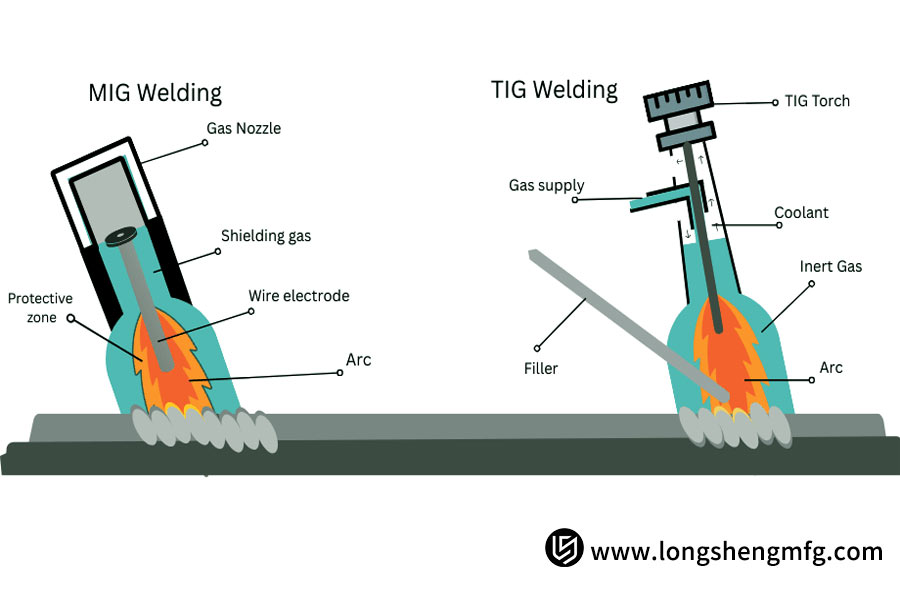
- MIG Welding (Metal Inert Gas): Uses a continuously fed wire electrode and gas to protect the weld. It’s fast and good for beginners.
- TIG Welding (Tungsten Inert Gas): Uses a non-consumable tungsten electrode and separate filler rod. It offers precision and cleaner welds.
- Stick Welding (Shielded Metal Arc Welding): Uses a consumable electrode coated in flux. It’s versatile and works well outdoors.
Have you ever wondered which welding method fits your project best? Your choice depends on the metals involved, the environment, and the quality you need.
Credit: www.longshengmfg.com
Understanding Mig Welding
MIG welding is one of the most popular welding techniques. It uses a continuous wire electrode and a shielding gas. This process is known for its speed and ease of use. Understanding how MIG welding works helps beginners and pros alike. It also shows why this method is common in many industries.
How Mig Welding Works
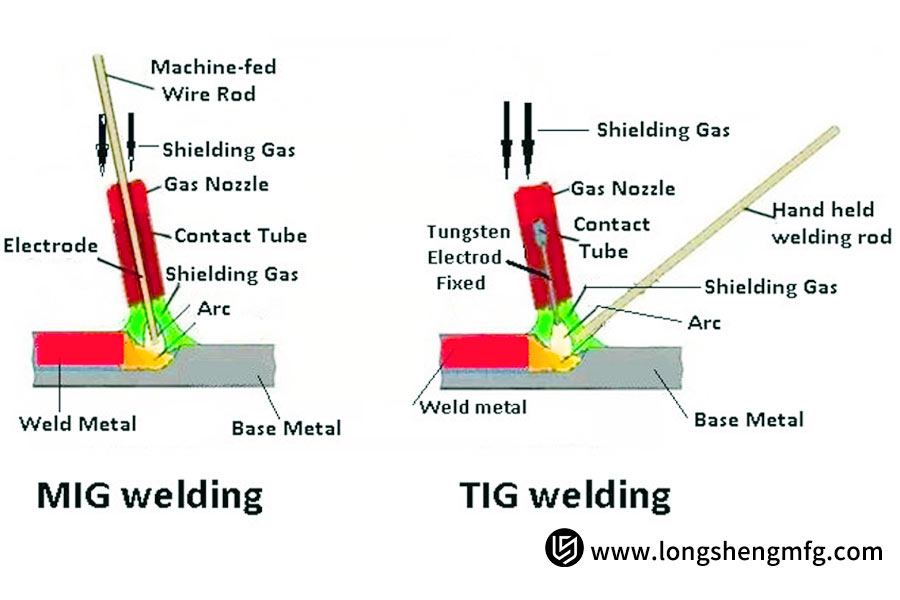
MIG welding uses an electric arc to melt metal. The wire electrode feeds through a welding gun. This wire melts and joins two pieces of metal. A shielding gas flows from the gun to protect the weld. This gas stops dirt and oxygen from harming the weld. The welder moves the gun along the joint to create a strong bond.
Key Components Of Mig Welding
- Welding Gun:Holds the wire and sprays the shielding gas.
- Wire Electrode:Acts as filler metal to join pieces together.
- Power Supply:Provides the electrical current for the arc.
- Shielding Gas:Protects the weld from contamination.
- Workpiece:The metals being welded together.
Advantages Of Mig Welding
- Easy to learn and use.
- Produces clean and strong welds.
- Works well on thin and thick metals.
- Faster than many other welding methods.
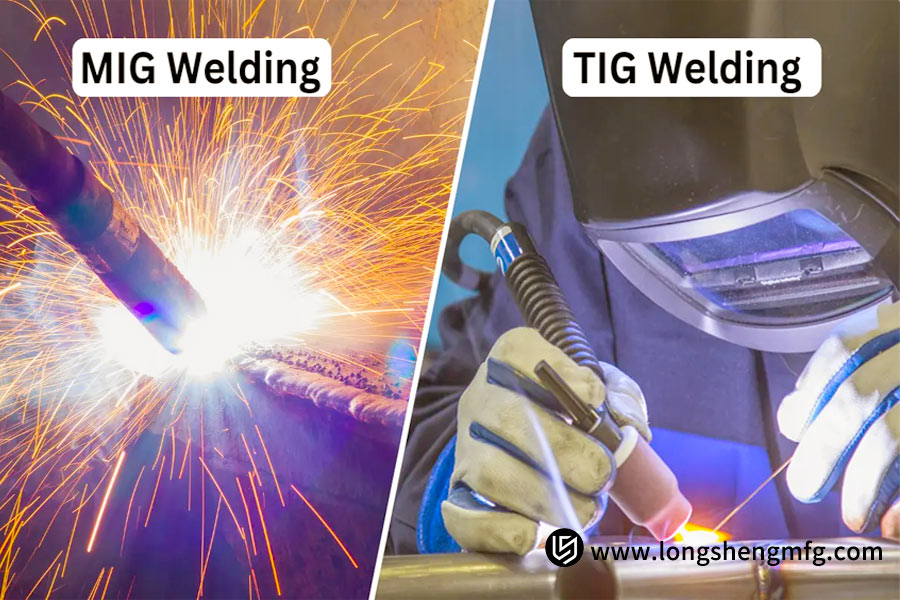
- Less smoke and spatter during welding.
Common Applications
MIG welding is used in many fields. It is common in car repairs and manufacturing. Construction projects often use MIG welding for steel structures. Hobbyists and DIYers use it for metal art and repairs. It works well for welding aluminum and stainless steel too.
Exploring Tig Welding
TIG welding is a precise and clean welding method. It uses a tungsten electrode to produce the weld. This technique works well on thin metals and delicate projects. TIG welding offers control over heat and weld quality. It suits tasks requiring neat and strong joints.
Tig Welding Process
TIG welding uses a non-consumable tungsten electrode. The electrode creates an arc to melt the metal. A separate filler rod may be added by hand. An inert gas, usually argon, shields the weld area. This gas protects the molten metal from contamination. Welders control the heat and filler material carefully.
Essential Equipment For Tig Welding
- TIG welding machine with adjustable current settings
- Tungsten electrode in various sizes and types
- Filler rods made for specific metals
- Argon gas cylinder and regulator
- Welding torch with a gas nozzle
- Protective gear including gloves and helmet
Benefits Of Tig Welding
- Produces clean, high-quality welds with minimal spatter
- Allows precise control over the welding process
- Works on a wide range of metals and thicknesses
- Creates strong, durable joints
- Suitable for both thin and thick materials
- Minimal post-weld cleanup needed
Popular Uses
- Aerospace industry for critical components
- Automotive repair and customization
- Art and sculpture metalwork
- Manufacturing of food and pharmaceutical equipment
- Construction of bicycle frames and motorcycles
- Boat building and repair
Credit: www.longshengmfg.com
Mig Vs Tig Welding
Deciding between MIG and TIG welding often puzzles many beginners and even seasoned welders. Both processes use electric arcs to join metals but differ significantly in technique, equipment, and results. Understanding these differences helps you pick the right tool for your project and skill level.
Comparative Analysis
| Aspect | MIG Welding | TIG Welding |
|---|---|---|
| Ease of Use | Quicker to learn; ideal for beginners | Requires more skill and practice |
| Speed | Faster welding process | Slower, more precise welding |
| Material Types | Works well with thick metals like steel and aluminum | Excellent for thin materials and exotic metals |
| Weld Quality | Good but may need cleanup | High-quality, clean welds with minimal spatter |
| Equipment Cost | Generally less expensive | More costly due to complex setup |
Think about your last welding project. Did you need speed or precision? That experience can guide you here.
Choosing The Right Method
Ask yourself what matters most: speed or control? MIG welding suits projects where you want to work fast without much fuss. It’s your go-to for home repairs or fabrication that doesn’t demand fine detail.
If your work involves thin materials or requires a neat finish, TIG welding might be better. It lets you control the heat and filler metal precisely, producing cleaner joints. Though it takes patience to master, the results often justify the effort.
Also, consider the environment. MIG welding’s shielding gas is more vulnerable to wind, making it less ideal outdoors. TIG welding can be tricky there too but offers better control in calm settings.
What challenges have you faced with your current welding method? Trying TIG might open new possibilities, or sticking with MIG could keep your workflow smooth. The choice depends on your goals and the materials you handle daily.
Safety Measures In Welding
Safety is the top priority in Mig Tig welding. Proper measures protect welders from serious injuries and long-term health issues. Welding involves heat, light, and sparks. These elements can cause burns, eye damage, and respiratory problems. Following safety rules reduces risks and keeps the worksite safe.
Protective Gear
Wearing the right protective gear is essential. Welders must wear helmets with dark lenses to shield eyes from bright arcs. Flame-resistant gloves protect hands from burns and sparks. Long-sleeve jackets made of heavy material keep skin safe. Closed-toe boots guard feet against hot metal pieces. Respirators help avoid inhaling harmful fumes and gases. Proper gear prevents most common injuries during welding.
Common Hazards And Precautions
Welding exposes workers to several hazards. Ultraviolet light from welding arcs can cause eye damage and skin burns. Hot metal and sparks may ignite clothes and cause burns. Fumes and gases can lead to lung problems. Electric shock is a risk due to the equipment used.
- Always work in a well-ventilated area to reduce fumes.
- Keep flammable materials away from the welding site.
- Check all equipment for damage before use.
- Use insulated tools and wear dry gloves to prevent shock.
- Take regular breaks to avoid fatigue and stay alert.
Getting Started With Welding
Starting with Mig Tig welding opens many doors in metalwork. This technique combines the best of MIG and TIG welding. It offers precise control and strong welds. Beginners find it useful for various projects. Knowing the basics helps build confidence fast.
Essential Tools And Equipment
Good tools make welding easier and safer. Here are the main items needed:
- Welding machine that supports both MIG and TIG modes
- Welding helmet with auto-darkening feature
- Protective gloves and clothing
- Gas supply, usually argon or a mix for shielding
- Welding wire and tungsten electrode
- Clamps and metal brushes for surface prep
Setting up a clean, well-ventilated workspace is important too.
Basic Skills For Beginners
Start by learning how to handle the torch correctly. Hold it steady and keep a consistent angle.
Practice controlling the speed of the weld to avoid defects. Watch the weld pool carefully as you work. Learning to adjust settings on the machine is key. Balance heat and speed for clean welds.
Safety is critical. Always wear protective gear and work in a safe area.
Troubleshooting Common Issues
Troubleshooting common issues in Mig Tig welding helps improve weld quality and efficiency. Identifying problems early saves time and materials. Understanding welding defects and knowing solutions can boost confidence for beginners. Below are key points to recognize and fix common welding problems.
Identifying Welding Defects
Welding defects affect the strength and appearance of welds. Look for these common defects:
- Porosity:Small holes or cavities in the weld bead caused by trapped gas.
- Cracks:Breaks in the weld metal or heat-affected zone, often from cooling too fast.
- Lack of Fusion:The weld does not properly join the base metals or previous weld passes.
- Underfill:The weld metal is below the surface of the base metal.
- Spatter:Small droplets of molten metal scattered around the weld area.
Solutions For Beginners
Simple steps can fix many common welding issues. Try these tips:
- Clean the metal surface thoroughly before welding.
- Adjust the welding current to match the metal thickness.
- Use the correct shielding gas for Mig Tig welding.
- Maintain a steady hand and consistent travel speed.
- Practice proper torch angle and distance from the workpiece.
- Check equipment settings regularly to avoid malfunctions.
Frequently Asked Questions
What Is Mig Tig Welding Used For?
Mig Tig welding combines MIG and TIG methods for precise, strong welds. It suits aluminum, stainless steel, and thin metals. This technique offers better control, cleaner joints, and enhanced weld quality.
How Does Mig Tig Welding Differ From Other Welding?
Mig Tig welding merges advantages of MIG and TIG welding. It provides increased control, cleaner welds, and less spatter. This hybrid process is ideal for delicate or complex welding tasks.
Is Mig Tig Welding Suitable For Beginners?
Mig Tig welding requires some skill due to its dual process nature. Beginners can learn it with practice and proper training. It offers good control but needs understanding of both MIG and TIG techniques.
What Materials Can Mig Tig Welding Join?
Mig Tig welding effectively joins aluminum, stainless steel, carbon steel, and thin metals. It is versatile for automotive, aerospace, and industrial applications. This method ensures strong, clean welds on diverse materials.
Conclusion
Mig Tig welding combines two popular welding methods in one process. It uses both gas metal arc welding and tungsten inert gas welding. This makes it useful for many metal types and thicknesses. The technique gives strong, clean welds with less smoke.
It suits both beginners and skilled welders. Understanding Mig Tig welding helps you choose the right method for your project. It saves time and improves your work quality. Keep practicing to get comfortable with this versatile welding style. The results will show in your metalwork’s strength and appearance.
About The Author

