
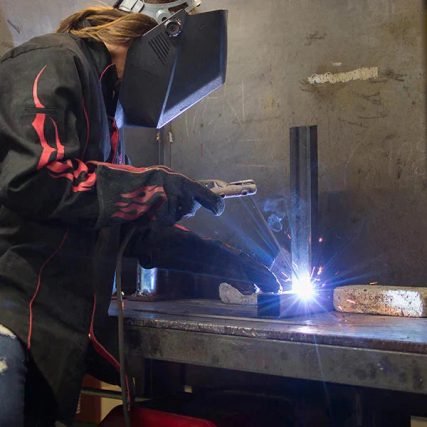
Are you curious about how metals come together in strong, lasting bonds? Stick welding might be the answer you’re looking for.
Whether you’re a beginner wanting to try welding or just want to understand how this popular method works, knowing what stick welding is can open up new possibilities. You’ll discover the basics of stick welding, why it’s so widely used, and how it could be the perfect fit for your next project.
Keep reading to unlock the secrets behind this powerful welding technique.

Credit: www.reliance-foundry.com
Stick Welding Basics
Stick welding is a popular and simple welding method. It uses a coated metal rod to join metals. Many welders choose stick welding for its versatility and ease of use. It works well outdoors and on rusty or dirty metals. Learning the basics helps in understanding this welding process and its applications.
How Stick Welding Works
Stick welding uses an electric current to melt the rod and base metal. The coated rod acts as both electrode and filler. When the rod touches the metal, an arc forms. This arc melts the rod and metal, creating a strong bond. The coating on the rod forms a gas shield. This shield protects the weld from air contamination. As the weld cools, the coating forms a slag layer. This slag must be chipped away after welding.
Essential Equipment
- Welding machine or power supply
- Electrode holder to hold the rod
- Ground clamp to complete the circuit
- Protective gear like helmet, gloves, and jacket
- Chipping hammer to remove slag
- Wire brush for cleaning welds
Types Of Electrodes
Electrodes vary by coating and metal type. Each electrode suits different metals and welding positions. Common types include:
- Rods for mild steel – easy to use and versatile
- Stainless steel rods – resist corrosion and heat
- Cast iron rods – for repairing cast iron parts
- Specialty rods – for aluminum or other metals
Choosing the right electrode improves weld strength and quality.
Setting Up For Stick Welding
Setting up for stick welding is crucial to ensure a smooth and effective welding process. Your preparation impacts not only the quality of the weld but also your safety and efficiency. Let’s dive into the essential steps to get everything ready before striking that first arc.
Preparing The Work Area
Start by clearing your workspace of any flammable materials. Stick welding produces sparks and heat that can ignite nearby objects.
Make sure the area is well-ventilated to avoid inhaling harmful fumes. I once worked in a cramped space and quickly realized how poor airflow made the experience uncomfortable and unsafe.
Arrange your welding table or surface so that you have easy access to your tools and materials. This helps you stay focused and reduces unnecessary movement during welding.
Choosing The Right Power Source
Select a power source that matches the type of electrodes you plan to use. Different rods require different amperage settings, so having a compatible welder is key.
Consider whether a transformer or inverter power source fits your needs. Inverters are lighter and more energy-efficient, while transformers are often more durable in rugged environments.
Check the power supply’s capacity; some machines need a 220V outlet, while others run on standard 110V. Using the wrong voltage can damage your equipment or produce poor welds.
Safety Precautions
Always wear appropriate personal protective equipment (PPE). A welding helmet with the correct shade lens, gloves, and flame-resistant clothing protect you from sparks and UV radiation.
Keep a fire extinguisher nearby—sparks can land in unexpected places. I once ignored this and had to scramble to control a small fire, which taught me not to take safety lightly.
Ensure your welding cables and connections are in good condition. Damaged insulation or loose connections can cause electric shocks or inconsistent arcs.
Techniques And Tips
Stick welding, also known as Shielded Metal Arc Welding (SMAW), is a versatile and robust welding technique. It’s a favorite among both hobbyists and professionals due to its simplicity and effectiveness. Whether you’re a seasoned welder or just starting, mastering the techniques of stick welding is key to achieving strong, clean welds. Here, we’ll explore crucial techniques and tips to enhance your stick welding skills.
Starting The Arc
Starting the arc can be tricky, but it’s the first step to a successful weld. Ensure your electrode is clean and free of rust. A dirty electrode can make it difficult to start the arc. Try gently tapping or scratching the electrode against the workpiece to ignite the arc. Keep your hand steady; a shaky start can result in an uneven weld.
Have you ever struggled to get the arc going? Adjusting the amperage might be your answer. Too low, and the arc won’t start; too high, and you risk burning through your material. A balanced approach is essential for beginners.
Maintaining A Steady Weld
Once the arc is started, maintaining a steady weld requires focus and precision. Watch the puddle closely. The size and shape of your weld puddle indicate if you’re moving too fast or slow. A consistent travel speed helps create uniform welds.
Angle matters. Hold your electrode at about a 75-degree angle. This positioning helps control the heat and ensures penetration without excessive spatter. A steady hand is crucial; practice makes perfect in achieving smooth, consistent welds.
Common Mistakes To Avoid
Even experienced welders sometimes fall into common pitfalls. One mistake is holding the electrode too far from the workpiece, causing a weak arc. Keep a close distance to maintain control. Another issue is moving too quickly, leading to thin, weak welds.
Are you using the correct electrode? Choosing the wrong type can result in poor weld quality. Match the electrode to your material and the welding position for optimal results. Lastly, ignoring safety is a grave error. Proper gear is essential; don’t skimp on gloves and eye protection.
Stick welding offers a straightforward approach to creating strong, reliable welds. By honing your technique, you can avoid common mistakes and produce work you’re proud of. What’s your biggest challenge with stick welding?

Credit: www.youtube.com
Materials And Applications
Understanding the materials and applications of stick welding helps you decide if this technique fits your project needs. Stick welding is versatile, working with various metals and serving many industries. Knowing where and how to use it can save you time and improve your results.
Metals Suitable For Stick Welding
Stick welding works well with several metals, making it a go-to choice for many welders. You can weld mild steel, stainless steel, cast iron, and even some types of aluminum. Each metal requires different electrodes, so selecting the right one is key to a strong weld.
Have you ever struggled to weld cast iron? Stick welding’s specialized electrodes make it possible, even for tough metals. This flexibility means you can handle diverse projects without switching welding methods.
Industries Using Stick Welding
Many industries rely on stick welding because of its portability and effectiveness outdoors. Construction, shipbuilding, and pipeline work are common fields where stick welding thrives. The ability to weld in challenging environments is a major advantage.
Consider how often repairs happen on-site where conditions aren’t ideal. Stick welding’s resilience in windy or dirty environments keeps production moving. Could this be the solution your worksite needs?
Repair And Fabrication Uses
Stick welding is perfect for repair work and custom fabrication. Its strong, durable welds can fix machinery, farm equipment, and structural components. Many welders appreciate how quickly they can make solid repairs with minimal equipment.
If you’ve ever had to patch a broken metal part in a pinch, stick welding likely saved the day. Its simplicity and effectiveness make it a reliable choice for both small fixes and larger fabrication projects. What repair job would you tackle first with stick welding?
Benefits Of Stick Welding
Stick welding offers several benefits that make it a popular choice among welders, both beginners and professionals. Its straightforward process and reliable results can fit various needs, from simple repairs to heavy-duty construction work. Understanding these advantages can help you decide if stick welding suits your projects and skills.
Cost-effectiveness
Stick welding equipment is generally more affordable than other welding methods. You don’t need expensive machines or complex setups to get started. Consumables like welding rods are also inexpensive and widely available, which helps keep your project costs low.
Think about your budget constraints—wouldn’t it be great to complete repairs or fabrication without breaking the bank? Stick welding lets you do just that while still producing strong, durable welds.
Portability And Versatility
One of stick welding’s biggest advantages is its portability. The equipment is compact and easy to carry, so you can take it directly to the worksite. This flexibility is perfect if you work in different locations or handle a variety of materials.
Whether you’re welding steel beams in a garage or fixing farm equipment out in the field, stick welding adapts well. It can join different metals and thicknesses, making it a versatile tool in your welding arsenal.
Ability To Weld Outdoors
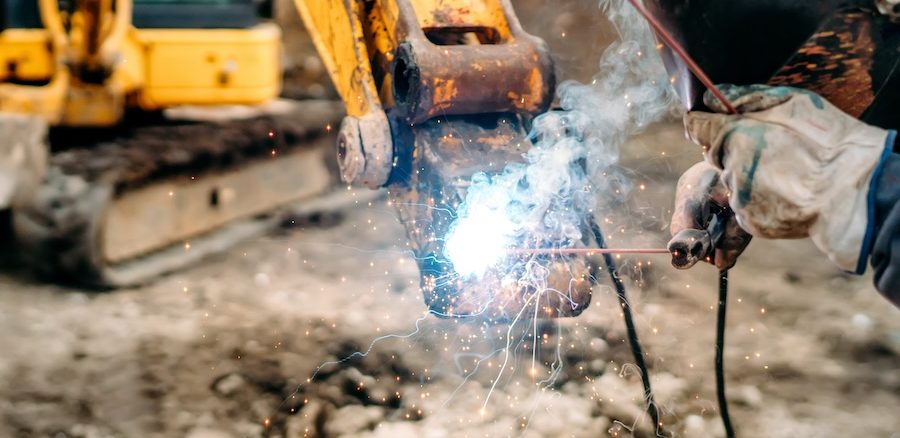
Stick welding performs exceptionally well in outdoor conditions. Unlike some other welding methods, it doesn’t require a controlled environment. Wind or drafts won’t easily disrupt the weld, which is crucial when working outside.
Have you ever struggled to weld in a breezy or dusty environment? Stick welding can handle these challenges, giving you reliable results no matter the weather. This makes it a go-to choice for construction sites and outdoor repairs.
Credit: equipmentandcontracting.com
Comparing Stick Welding
Comparing stick welding with other welding types helps understand its strengths and limits. Stick welding stands out for its simplicity and ability to work in tough conditions. It is often chosen for outdoor jobs or repairs on thick metals. Knowing how it differs from MIG and TIG welding can guide the right choice for each project.
Stick Vs Mig Welding
Stick welding uses a consumable electrode coated in flux. MIG welding uses a continuous wire fed through the welding gun. Stick welding works well on rusty or dirty metal. MIG welding requires cleaner surfaces for good results. Stick welding is easier to set up outdoors. MIG welding provides smoother and faster welds indoors. Stick welding produces more sparks and smoke. MIG welding creates less spatter and fumes. Both have different power needs and skill levels.
Stick Vs Tig Welding
Stick welding is simpler and more forgiving of surface conditions. TIG welding uses a non-consumable tungsten electrode and filler rod. TIG welding creates very precise, clean welds. Stick welding is better for heavy, thick metals. TIG welding needs a clean, controlled environment. TIG welding requires more skill and time. Stick welding is faster and more portable. TIG welding works well on thin metals and delicate jobs.
When To Choose Stick Welding
- Working outdoors or in windy areas
- Welding thick or dirty metal surfaces
- Needing equipment that is simple and portable
- Projects where speed is more important than finish
- Repair and maintenance tasks on heavy equipment
- Situations with limited power supply options
Common Challenges
Stick welding presents several challenges that can affect the final result. These issues often arise from the nature of the process and materials used. Understanding these common problems helps welders improve their skills and outcomes. Below are some key challenges faced during stick welding.
Dealing With Slag
Slag forms on top of the weld as the electrode coating burns. It protects the molten metal but must be removed carefully. Leaving slag in the weld can cause weak spots and defects. Scraping slag off with a chipping hammer is necessary before adding new passes. Proper slag removal keeps the weld clean and strong.
Weld Quality Issues
Weld quality can suffer from porosity, cracks, and uneven bead shapes. These problems often result from wrong settings or poor technique. Using incorrect amperage can cause the weld to be too hot or too cold. Poor electrode angle or speed leads to weak joints. Consistent practice and adjustment improve weld quality.
Troubleshooting Techniques
Identifying and fixing problems quickly saves time and materials. Inspect the weld visually for cracks, holes, or irregularities. Adjust amperage if the weld is too spattered or lacks penetration. Change electrode angles to control bead shape. Keep the workpiece clean to prevent contamination. Troubleshooting helps produce better, safer welds.
Frequently Asked Questions
What Is Stick Welding Used For?
Stick welding is used for joining metals, especially in construction and repair. It works well outdoors and on rusty surfaces. It’s versatile and ideal for heavy-duty projects.
How Does Stick Welding Work?
Stick welding uses an electrode coated with flux to create an electric arc. This arc melts the metal and electrode, forming a strong weld. The flux protects the weld from contamination.
What Materials Can Stick Welding Join?
Stick welding can join steel, stainless steel, cast iron, and some other metals. It’s less suitable for aluminum but excellent for thick, heavy metals.
Is Stick Welding Beginner-friendly?
Yes, stick welding is beginner-friendly due to simple equipment and technique. However, it requires practice to produce clean, strong welds. It’s a great starting point for new welders.
Conclusion
Stick welding is a simple and strong way to join metals. It works well for many projects and materials. This method uses an electric current and a coated rod. It works outside and in windy places too. Learning stick welding can help with repairs and building.
Practice makes your welds better and stronger. Stick welding stays a popular choice for many welders today. Give it a try and see how it fits your needs.
About The Author

