

Are you curious about a welding technique that offers precision, control, and clean results? Understanding what TIG welding is could open new doors for your projects or career.
Whether you’re a beginner or someone looking to improve your skills, this method might be exactly what you need. Keep reading to discover how TIG welding works, why it stands out, and how it can make a difference in your work.
You won’t want to miss these insights that can transform the way you approach welding.
Tig Welding Basics
Understanding Tig welding basics is essential if you want to improve your welding skills or just get a clear idea of what this process involves. Tig welding, short for Tungsten Inert Gas welding, offers precise control and clean results, making it a favorite for many professionals and hobbyists. Let’s break down what makes Tig welding unique and how it works.
Definition And Purpose
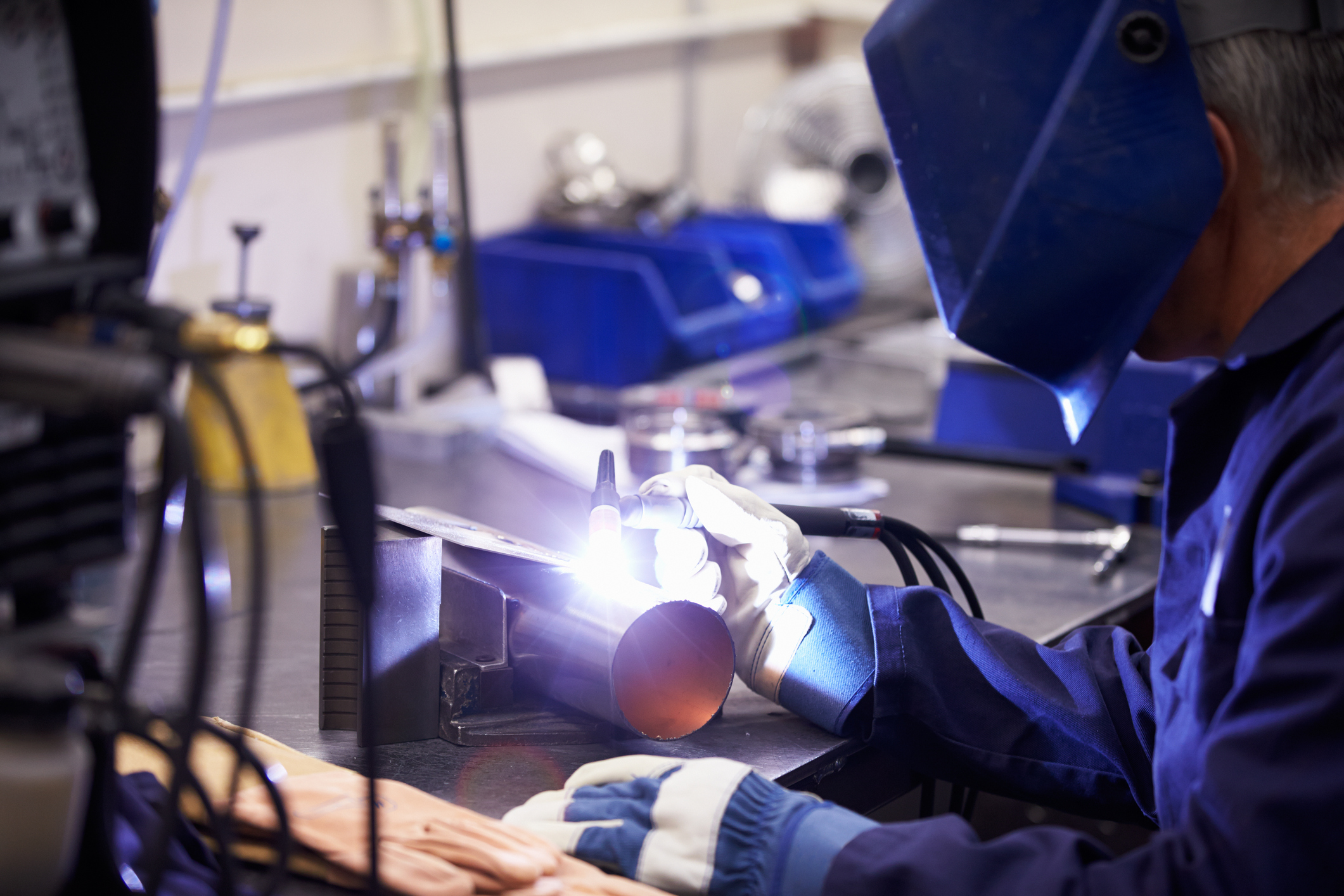
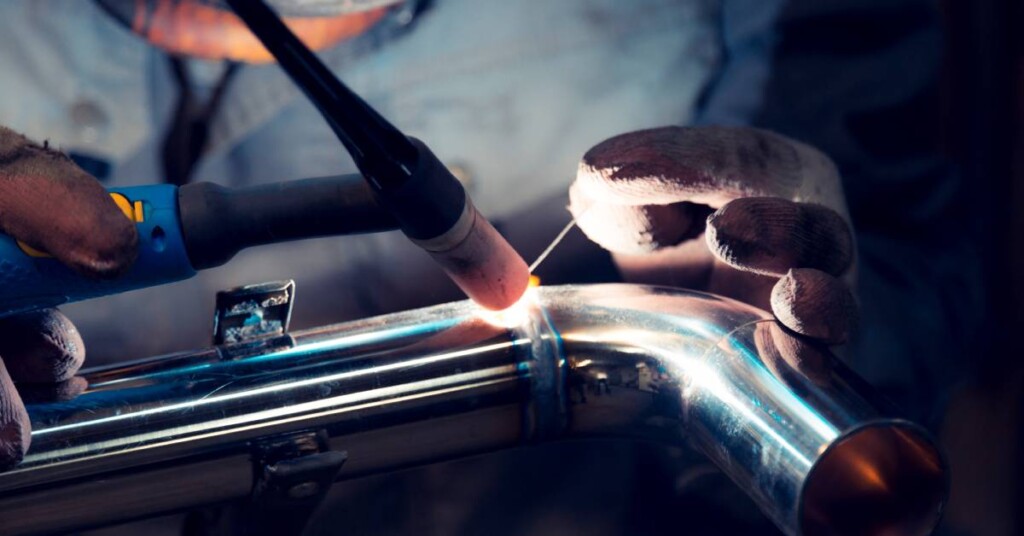
Tig welding uses a non-consumable tungsten electrode to produce the weld. The tungsten electrode creates an arc that melts the metal, while an inert gas, usually argon, shields the weld from contamination.
You can add filler material to the weld pool if needed, but many Tig welds are done without filler, relying on precise control instead.
This method is perfect when you need strong, high-quality welds with a clean finish, especially on thin metals like stainless steel and aluminum.
Key Components
- Tungsten Electrode:The heart of the process, it carries the welding current and creates the arc.
- Inert Gas Supply:Typically argon or helium, it protects the weld area from oxygen and other contaminants.
- Welding Torch:Holds the tungsten electrode and directs the gas flow to the weld zone.
- Power Supply:Provides the necessary electrical energy to maintain the arc.
- Filler Rod:Optional, used to add material to the weld if extra strength or buildup is needed.
Having the right setup is crucial. Imagine trying to weld thin aluminum without proper gas flow—you’ll end up with a weak, contaminated joint.
Historical Background
Tig welding was first developed in the 1940s during World War II. It was created to join magnesium and other lightweight metals used in aircraft manufacturing.
Before Tig welding, welding these metals was difficult and unreliable. This method gave engineers the control they needed for precise, clean welds.
Since then, Tig welding has evolved into a widely used technique, prized for its versatility and quality in various industries.
Have you ever wondered how many different industries rely on Tig welding for their critical components? It’s not just aerospace—automotive, art, and even food processing industries use it daily.

Credit: www.tifacparts.com
Equipment And Tools
TIG welding demands specific equipment and tools to work effectively and safely. Each component plays a vital role in producing clean, strong welds. Understanding the key tools helps beginners and hobbyists choose the right gear.
Tig Welding Machines
TIG welding machines provide the power source for the welding process. These machines control the electric current used to melt metals. They come in different types such as AC, DC, or AC/DC models. AC machines are best for welding aluminum and magnesium. DC machines work well with steel and stainless steel. Many machines offer adjustable settings to control heat and current for precision welding.
Tungsten Electrodes
Tungsten electrodes are essential in TIG welding as they carry the welding current. These electrodes do not melt and provide a stable arc. Different types of tungsten are used based on the metal type and welding conditions. Common types include pure tungsten, thoriated, ceriated, and lanthanated tungsten. Electrode size and shape affect the welding quality and ease of use.
Protective Gear
Safety is crucial in TIG welding, so protective gear is a must. Welders wear helmets with darkened lenses to protect their eyes from bright arcs and UV radiation. Flame-resistant gloves shield hands from heat and sparks. Long-sleeve jackets or aprons guard the body against burns. Proper footwear and respiratory protection may also be necessary to stay safe during welding tasks.
Materials And Compatibility
TIG welding works well with many metals. Its strength lies in its ability to join thin and thick materials cleanly. Choosing the right materials and filler metals ensures strong, reliable welds. Proper preparation of the metal surface also plays a key role in quality results.
Metals Suitable For Tig Welding
TIG welding suits a wide range of metals. Stainless steel is a common choice due to its corrosion resistance. Aluminum and its alloys are also frequently welded with TIG. Other metals include:
- Carbon steel
- Copper
- Magnesium
- Titanium
- Nickel alloys
This versatility makes TIG welding popular in many industries.
Filler Materials
Filler rods add material to the weld joint. The choice depends on the base metal being welded. For stainless steel, stainless steel rods match the base metal. Aluminum uses aluminum filler rods. Carbon steel requires steel rods. Using the right filler prevents cracking and ensures strength.
Material Preparation
Clean surfaces lead to better welds. Remove rust, oil, paint, and dirt before welding. Use a wire brush or grinder to clean the metal. For aluminum, clean with a special stainless steel brush. Proper fit-up of parts ensures even heat distribution. Tight joints reduce weld defects and improve appearance.
Techniques And Tips
TIG welding demands precise techniques for clean, strong welds. Small details affect the final quality. Focus on controlling the torch, heat, and filler material. Proper technique improves safety and efficiency. This section shares key tips and techniques for TIG welding success.
Starting The Arc
Hold the torch close to the metal without touching it. Press the foot pedal or trigger gently to start the arc. A steady, small gap creates a stable arc. Avoid sudden movements to prevent contamination. Keep the tungsten electrode clean and sharp for easy arc starting.
Controlling Heat And Speed
Adjust the current to match the metal thickness. Use lower heat for thin metals to avoid burn-through. Move the torch smoothly at a steady speed. Too fast causes weak welds; too slow causes overheating. Watch the puddle size closely to keep it consistent. Add filler rod gradually to blend with the molten metal.
Common Mistakes To Avoid
- Touching the tungsten to the workpiece, causing contamination
- Using incorrect current settings for the metal type
- Moving the torch too fast or too slow
- Neglecting gas flow, leading to oxidation
- Failing to clean the metal surface before welding
Advanced Tig Welding
Advanced TIG welding takes the basic technique to a higher level, allowing you to achieve precise, high-quality welds on challenging materials and in demanding situations. This stage of TIG welding requires a deeper understanding of the equipment, control over the welding parameters, and skill in handling the torch and filler material. Mastering these techniques can significantly improve the strength and appearance of your welds.
Pulse Welding
Pulse welding is a technique where the welding current alternates between high and low levels. This helps control heat input, reducing distortion and burn-through, especially on thin metals.
By pulsing the current, you get better control over the weld pool. This means less spatter and cleaner welds. If you’ve ever struggled with overheating your workpiece, pulse welding offers a way to manage that heat effectively.
Welding Thin Materials
Thin materials require a delicate touch because too much heat can easily cause warping or holes. TIG welding shines here due to its precise heat control and the ability to use low amperage settings.
When you weld thin metals, moving the torch steadily and using the right filler rod is key. You’ll find that practice with these settings prevents common issues like burn-through and helps you produce smooth, clean seams.
Aluminum And Stainless Steel Welding
Aluminum and stainless steel are popular but tricky metals to weld with TIG. Aluminum needs AC current to break up its oxide layer, while stainless steel requires DC current and careful heat management to avoid discoloration and warping.
Working with these metals challenges you to adjust your technique and settings precisely. For example, using a pure tungsten electrode for aluminum and a thoriated one for stainless steel improves arc stability and weld quality.
Safety Measures
Safety measures are vital in TIG welding to protect welders from injuries and accidents. This process involves high temperatures, bright light, and hazardous gases. Proper precautions keep the workplace safe and prevent health risks. Understanding and applying safety rules reduce the chance of harm.
Protective Equipment
Welders must wear special gear to shield their bodies. A welding helmet with a dark lens protects eyes from bright light and UV rays. Flame-resistant gloves guard hands from burns. Long-sleeve jackets prevent sparks from touching the skin. Respirators help avoid inhaling harmful fumes. Sturdy boots protect feet from falling objects and hot metal.
Workplace Safety
The welding area should be clean and organized. Remove flammable materials to avoid fires. Use proper ventilation to clear smoke and gases. Keep fire extinguishers nearby for emergencies. Ensure good lighting to see the work clearly. Mark the welding zone to warn others about hazards. Regularly check equipment for damage or faults.
Handling Hazardous Materials
TIG welding uses gases like argon, which require careful handling. Store gas cylinders upright and secure them to prevent tipping. Check for leaks before use to avoid accidents. Use proper regulators and hoses suited for the gas type. Dispose of waste materials safely to protect health and the environment. Follow all safety guidelines for chemicals and welding supplies.
Applications Of Tig Welding
TIG welding is a precise and clean welding method. It suits many tasks because it creates strong, neat joints. This welding type works well with various metals. Its versatility makes it popular across multiple fields. Below are some key areas where TIG welding is widely used.
Industrial Uses
TIG welding handles thin materials and delicate parts well. Factories use it to build machinery and equipment. It joins stainless steel, aluminum, and other metals. The process ensures strong, leak-proof welds. Pipework and pressure vessels often rely on TIG welding. It provides lasting, corrosion-resistant connections. This welding keeps industrial systems safe and efficient.
Automotive Industry
Car makers use TIG welding for precise metal joining. It helps assemble frames, exhausts, and fuel tanks. The process creates clean welds without extra metal. This keeps vehicles lightweight and strong. Custom car builders prefer TIG for detailed work. It allows smooth, attractive finishes on metal parts. The method supports both repairs and new builds.
Aerospace Applications
TIG welding meets strict aerospace standards for quality. It joins thin metal sheets and complex shapes. Aircraft parts need high strength and light weight. TIG welding produces neat, strong joints that resist stress. It works well on aluminum, titanium, and alloys. This welding ensures safety in planes and spacecraft. Precise control over heat prevents metal damage.
Troubleshooting And Solutions
TIG welding is precise but can face issues affecting weld quality. Troubleshooting helps find problems fast. Solutions restore strong, clean welds. Understanding common issues guides quick fixes. Improving weld quality saves time and materials. Each step builds better welding results.
Identifying Common Issues
Look for cracks, porosity, and lack of fusion. Check for discoloration or uneven weld beads. Inspect for excessive spatter or weak joints. Watch for tungsten contamination or arc instability. Note unusual sounds or sparks during welding. Observing signs early prevents bigger problems.
Fixing Defects
- Clean the metal surface before welding.
- Use correct amperage for the material thickness.
- Adjust shielding gas flow to avoid contamination.
- Replace worn or contaminated tungsten electrodes.
- Maintain steady hand movement for uniform weld beads.
- Remove defects by grinding and rewelding if needed.
Improving Weld Quality
Choose the right filler rod for the base metal. Set proper torch angle and distance from workpiece. Control heat input to avoid warping or burn-through. Use pure shielding gas like argon for better protection. Practice steady, consistent welding speed. Regularly check equipment and replace damaged parts.
Future Of Tig Welding
The future of TIG welding looks promising with ongoing changes in technology and industry needs. This welding method remains vital for many applications due to its precision and versatility. Advances in tools and techniques will shape how TIG welding develops. New demands for cleaner, more efficient processes push innovation further.
Technological Advancements
Automation and smart systems improve TIG welding accuracy. Modern machines use sensors to monitor weld quality in real time. Pulse welding techniques reduce heat input and improve control. Portable and lightweight TIG welders make fieldwork easier. Software aids in designing welds and predicting outcomes. These tools reduce errors and increase productivity.
Sustainability And Innovation
Eco-friendly welding practices gain importance worldwide. Using less energy and minimizing waste helps protect the environment. New materials designed for TIG welding are more recyclable. Shielding gases with lower environmental impact replace traditional ones. Research focuses on longer-lasting welds to reduce repairs. Sustainability drives changes in both equipment and methods.
Career Opportunities
Demand for skilled TIG welders continues to grow globally. Industries like aerospace, automotive, and construction rely on TIG welding. Learning new technologies increases job prospects for welders. Training programs include digital skills and safety standards. Experienced TIG welders command higher salaries and better positions. This field offers steady work and paths for advancement.
Credit: www.adamsgas.co.uk
Credit: www.sytechprecision.com
Frequently Asked Questions
What Is Tig Welding Used For?
TIG welding is used for precision welding of thin metals. It works well on stainless steel, aluminum, and copper alloys. It’s ideal for aerospace, automotive, and art projects requiring clean, strong welds.
How Does Tig Welding Work?
TIG welding uses a non-consumable tungsten electrode to produce the weld. An inert gas, usually argon, shields the weld area from contamination. The welder manually adds filler metal if needed.
What Materials Can Tig Welding Join?
TIG welding can join stainless steel, aluminum, magnesium, copper, and other metals. It works best on thin materials and metals that require precise, high-quality welds.
Is Tig Welding Better Than Mig Welding?
TIG welding offers more control and cleaner welds than MIG welding. It’s slower and requires skill but produces stronger, more precise joints. MIG is faster and better for thicker materials.
Conclusion
TIG welding offers precise and clean welds for many metals. It suits thin materials and detailed work. This method uses a non-consumable tungsten electrode. It gives strong, high-quality joints that last. Learning TIG welding helps improve metalwork skills. Practice is key to becoming confident and skilled.
Choose TIG welding when accuracy matters most. This technique remains popular in many industries today.
About The Author

