
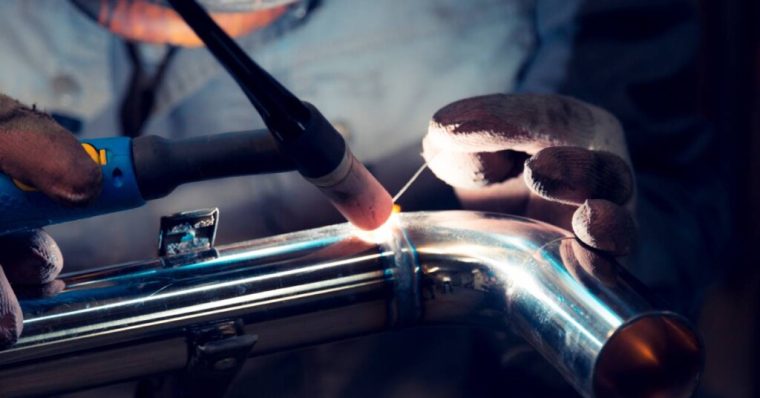
Are you curious about tig welding and what makes it stand out? Whether you’re a hobbyist, a professional welder, or just someone exploring your options, understanding what tig welding is good for can open up new possibilities for your projects.
This method offers precision, clean finishes, and strong joints that other welding techniques often can’t match. Keep reading to discover how tig welding can elevate your work, save you time, and deliver results you’ll be proud of.

Credit: dycoventures.com
Tig Welding Basics
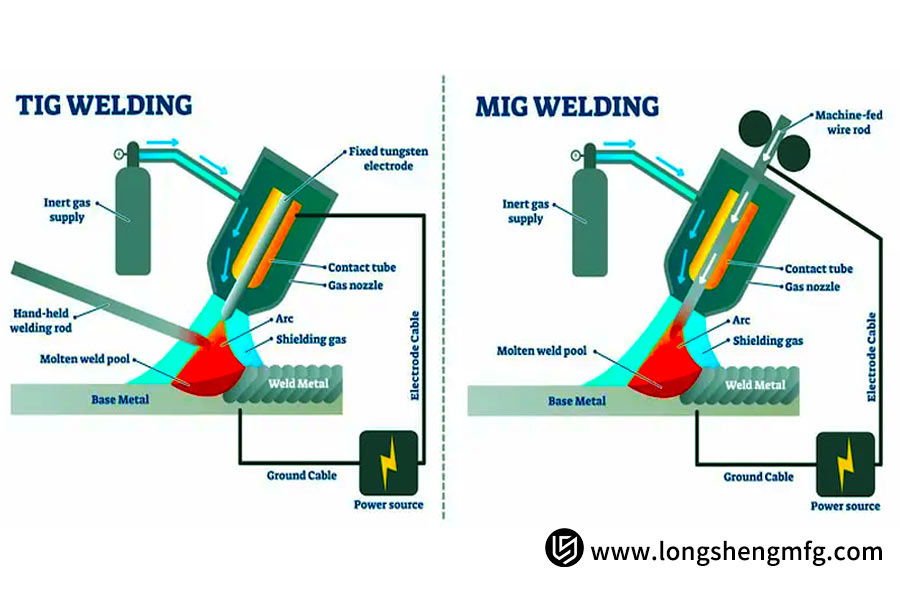
TIG welding is a precise and clean welding method. It uses a non-consumable tungsten electrode to create the weld. This method is ideal for thin metals and detailed work. The process involves adding filler metal by hand if needed. Shielding gas, usually argon, protects the weld area from contamination.
The control TIG welding offers helps create strong and neat welds. It works on many metals like steel, aluminum, and copper. TIG welding requires skill and steady hands to make perfect joints.
Tungsten Electrode
The tungsten electrode is the key part of TIG welding. It does not melt during welding. Instead, it creates the electric arc that melts the metal. Tungsten is chosen for its high melting point and durability.
Shielding Gas
Shielding gas keeps the weld clean and strong. Argon is the most common gas used in TIG welding. It prevents oxygen and nitrogen from reaching the weld. This protection stops oxidation and weak welds.
Filler Metal
Filler metal adds extra material to the weld joint. It is fed by hand or sometimes not used at all. This allows for more control over the weld bead size and shape. The type of filler metal depends on the metals being joined.
Power Source
TIG welding uses a constant current power source. It provides a steady arc for precise control. The welder can adjust amperage to suit different metals and thicknesses. This flexibility makes TIG welding ideal for many projects.
Applications Of Tig Welding
- Automotive parts and repairs
- Aerospace components
- Artistic metalwork and sculptures
- Thin stainless steel and aluminum fabrication
- Pipe and tubing welding
Precision And Control
Precision and control are what make TIG welding stand out in the world of metalwork. This technique allows you to manage the heat and filler material with incredible accuracy. Such control means you can create clean, strong welds without damaging the surrounding metal.
Detailed Work
TIG welding shines when you need to focus on fine details. It gives you the ability to weld intricate joints and small parts with ease. If you’ve ever struggled with messy welds ruining a project, TIG welding can change that experience.
Think about repairing a delicate bike frame or crafting custom metal art. The precision lets you place the weld exactly where it’s needed, avoiding excess heat that could warp or weaken the piece. This level of control is why professionals and hobbyists prefer TIG for detailed tasks.
Thin Materials
Thin metals demand careful handling to avoid burn-through or warping. TIG welding gives you the control to work on thin sheets of aluminum, stainless steel, or even exotic metals without ruining them. You can adjust the heat output and weld speed to match the material’s thickness perfectly.
Have you tried welding thin steel only to end up with holes or distorted edges? TIG welding reduces these risks significantly. It allows you to build up the weld bead slowly and steadily, ensuring a smooth finish that holds strong without damage.
Variety Of Metals
TIG welding stands out because it works well with a wide range of metals. This makes it a favorite among professionals who need precision and quality across different materials. Understanding which metals TIG welding suits best can help you decide when to use this technique for your projects.
Aluminum And Magnesium
TIG welding handles aluminum and magnesium with great control. These metals are lightweight and require careful heat management to avoid warping. TIG welding’s ability to precisely control heat input means you get clean, strong welds without damaging the metal’s structure.
If you’ve ever struggled with aluminum’s tendency to crack or burn through, TIG welding gives you the control to prevent that. This method also produces less spatter, keeping your work area tidy and reducing cleanup time.
Stainless Steel
Stainless steel benefits from TIG welding’s clean and precise nature. The process allows you to create smooth, corrosion-resistant joints, which is vital for applications like kitchen equipment or medical devices. You can maintain the metal’s appearance without discoloration or oxidation.
Have you noticed how some welds on stainless steel look rough or dull? TIG welding helps avoid that by shielding the weld area with inert gas, which keeps it shiny and strong. This makes it ideal when aesthetics and durability matter.
Exotic Metals
TIG welding is excellent for exotic metals like titanium, copper, and nickel alloys. These materials often require specialized welding techniques due to their unique properties. TIG welding’s precise control ensures you don’t overheat or weaken these valuable metals.
Working with exotic metals can be intimidating, but TIG welding gives you the confidence to tackle them. It’s worth considering if your project involves high-performance or aerospace components where strength and precision can’t be compromised.
Credit: yeswelder.com
Clean And Aesthetic Welds
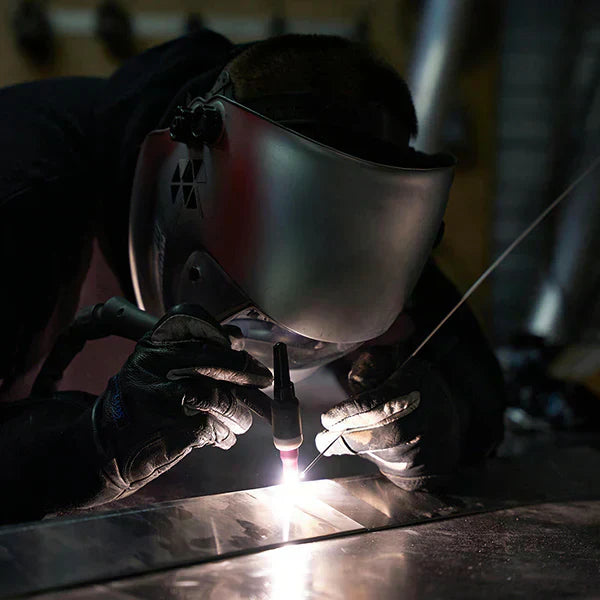
TIG welding is well-known for producing clean and beautiful welds. This process offers precise control over the heat and filler material. It results in smooth, shiny, and strong joints. Such welds often need little to no finishing work. This makes TIG welding ideal for projects where appearance matters as much as strength.
Minimal Spatter
TIG welding creates very little spatter compared to other methods. The electric arc is stable and concentrated. It melts the metal without splashing molten droplets. This reduces the need for cleanup after welding. Cleaner work means less sanding and grinding. It saves time and keeps the surrounding area neat.
No Flux Required
TIG welding does not need flux to protect the weld. It uses a shield of inert gas, usually argon. This gas keeps oxygen and other contaminants away. Without flux, welds stay free of residue or slag. The result is a smooth surface that looks polished. This also helps avoid corrosion and weak spots.
Applications In Industries
TIG welding is highly valued across many industries for its precision and clean finish. It works well on thin metals and complex joints. This makes it ideal for specialized tasks that require strong, neat welds. Different industries use TIG welding to meet their unique standards and needs.
Aerospace
The aerospace industry demands high strength and lightweight materials. TIG welding joins aluminum and titanium parts with accuracy. It helps build aircraft frames and engine components. The process ensures safety and durability in extreme conditions.
Automotive
Automakers use TIG welding for custom and performance vehicles. It creates smooth, strong welds on stainless steel and aluminum. TIG welding is perfect for exhaust systems, frames, and body parts. It supports both production and repair work.
Art And Sculpture
Artists prefer TIG welding for metal sculptures and decorative pieces. The precise control allows delicate and detailed work. It joins various metals without damaging the material’s surface. This method helps bring creative metal designs to life.
Food And Beverage Equipment
TIG welding produces clean and sanitary joints needed in this sector. Stainless steel tanks, pipes, and machinery often use TIG welds. The process prevents contamination and meets hygiene standards. It ensures long-lasting, corrosion-resistant equipment.
Credit: www.longshengmfg.com
Repair And Maintenance
Repair and maintenance tasks demand a welding method that offers control, cleanliness, and durability. TIG welding stands out because it delivers precise, high-quality welds that are essential for fixing delicate or critical components. Whether you’re dealing with thin metals or intricate joints, TIG welding helps you achieve repairs that last without compromising the material’s integrity.
Precision Repairs
TIG welding allows you to work with thin metals and fine details that other welding methods might damage. It produces clean, neat welds with minimal spatter, which is crucial when repairing parts where appearance and strength matter equally.
Imagine fixing a cracked aluminum bike frame. TIG welding lets you add metal exactly where needed without warping the frame. This level of precision ensures the repair holds up under stress and looks professional.
Have you ever struggled to repair a small crack without ruining the surrounding metal? TIG’s control over heat input means you can avoid overheating and weakening the material, making it ideal for automotive, aerospace, and even art restorations.
On-site Fixes
TIG welding equipment is portable enough for on-site repairs, making it invaluable for maintenance in remote or challenging locations. You can bring the welder directly to the broken equipment, reducing downtime and transport costs.
For example, in a manufacturing plant, a quick TIG weld can restore a critical machine part without shutting down the entire operation. This flexibility saves time and money.
Do you maintain machinery in the field? TIG welding’s versatility lets you handle a wide range of metals and repair types right where the problem occurs, preventing small issues from turning into major failures.
Benefits In Hobbyist Projects
TIG welding offers many benefits for hobbyist projects. It provides precise control, allowing for clean and strong welds. This process works well with thin metals, making it ideal for detailed work. Hobbyists appreciate its versatility and neat finish. TIG welding helps bring creative ideas to life with professional results.
Home Fabrication
TIG welding is perfect for home fabrication tasks. It allows hobbyists to build or repair metal parts around the house. From fixing garden tools to making custom shelves, TIG welding creates durable joints. The ability to work on small or delicate pieces makes it a top choice. It supports various metals like stainless steel and aluminum. This flexibility helps hobbyists complete many types of projects confidently.
Creative Designs
Creative designs benefit greatly from TIG welding. The process offers fine control over weld placement and heat. This precision helps in crafting artistic metalwork and sculptures. Hobbyists can experiment with shapes and patterns easily. Smooth, clean welds improve the overall appearance of any design. TIG welding opens doors to unique and detailed metal creations.
Environmental Advantages
TIG welding offers notable environmental advantages that make it a smart choice for eco-conscious projects. It uses precise heat control and clean processes, reducing environmental impact. Understanding these benefits can help you choose welding methods that align with your sustainability goals.
Energy Efficiency
TIG welding uses less energy compared to many other welding techniques because it focuses heat only where it’s needed. This precision means less power is wasted, which lowers your overall energy consumption. Have you ever noticed how some tools seem to burn through electricity? TIG welding avoids that by being targeted and efficient.
Using less energy doesn’t just save money; it also reduces your carbon footprint. This is important if you want your work to be environmentally responsible. The technology behind TIG welding encourages you to think about how much energy you really need, not just what’s convenient.
Reduced Waste
TIG welding produces minimal waste because it creates clean, strong welds with little spatter or slag. This means you spend less time cleaning and cutting away excess material. When you think about how much scrap metal piles up from other welding methods, TIG welding stands out as a cleaner option.
Less waste also means fewer resources are wasted. You use materials more efficiently, which is better for the environment and your budget. Wouldn’t it be great to finish your project with fewer scraps and less cleanup? TIG welding helps you do exactly that.
Frequently Asked Questions
What Materials Are Best For Tig Welding?
TIG welding works best with metals like stainless steel, aluminum, and copper. It provides precise control, ideal for thin materials. This method produces clean, strong welds without spatter, making it perfect for delicate or high-quality projects.
Why Is Tig Welding Preferred For Automotive Repairs?
TIG welding offers precision and control, crucial for automotive repairs. It creates strong, clean joints on thin metals. This method avoids warping and maintains the vehicle’s structural integrity, making it ideal for custom and restoration work.
How Does Tig Welding Compare To Mig Welding?
TIG welding offers more precision and cleaner welds than MIG welding. It suits thinner metals and detailed work. MIG welding is faster and better for thicker materials. TIG is preferred when weld quality and appearance matter most.
Can Tig Welding Be Used For Artistic Metalwork?
Yes, TIG welding is excellent for artistic metalwork. Its precision allows detailed, clean joints on various metals. Artists use TIG welding to create intricate designs with smooth finishes, enhancing both strength and aesthetics in sculptures and decorative pieces.
Conclusion
TIG welding works well for precise and clean metal joints. It fits many materials like steel, aluminum, and copper. This method creates strong, neat welds that last long. People use it in car repair, art, and construction. It needs skill but gives great results.
Choosing TIG welding means choosing quality and accuracy. It suits both simple and complex projects. A good choice for those who want smooth, reliable welds every time.
About The Author

