
Are you curious about what makes buildings, roads, and bridges strong and long-lasting? The answer often lies in something called Welded Wire Fabric.
If you’ve ever wondered how concrete stays tough and resists cracking, understanding Welded Wire Fabric is key. This simple yet powerful material plays a crucial role in construction, but many people don’t know exactly what it is or how it works.
Keep reading, and you’ll discover everything you need to know about Welded Wire Fabric—how it’s made, why it’s used, and how it can make your next project stronger and more reliable.
Welded Wire Fabric Basics
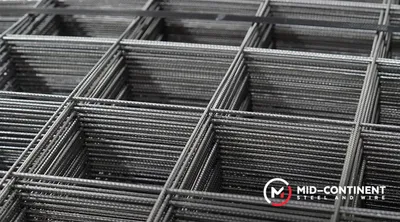
Welded Wire Fabric (WWF) is a grid of wires joined at intersections by welding. It serves as a reinforcement in concrete structures. WWF helps improve the strength and durability of concrete slabs and walls.
This fabric is widely used in construction for its ease of installation and consistent quality. Understanding its basics helps in choosing the right type for any project.
Material Composition
Welded Wire Fabric is usually made from steel wires. These wires are often coated with zinc to resist rust. Sometimes, stainless steel wires are used for extra durability. The choice of material depends on project needs and environment.
Manufacturing Process
The process starts with straightening steel wire rods. Then, wires are cut to specific lengths. These wires are placed in a grid pattern. Each intersection is welded using electric resistance welding. This creates a strong bond without extra materials. The fabric is then cut into sheets or rolls.
Common Sizes And Patterns
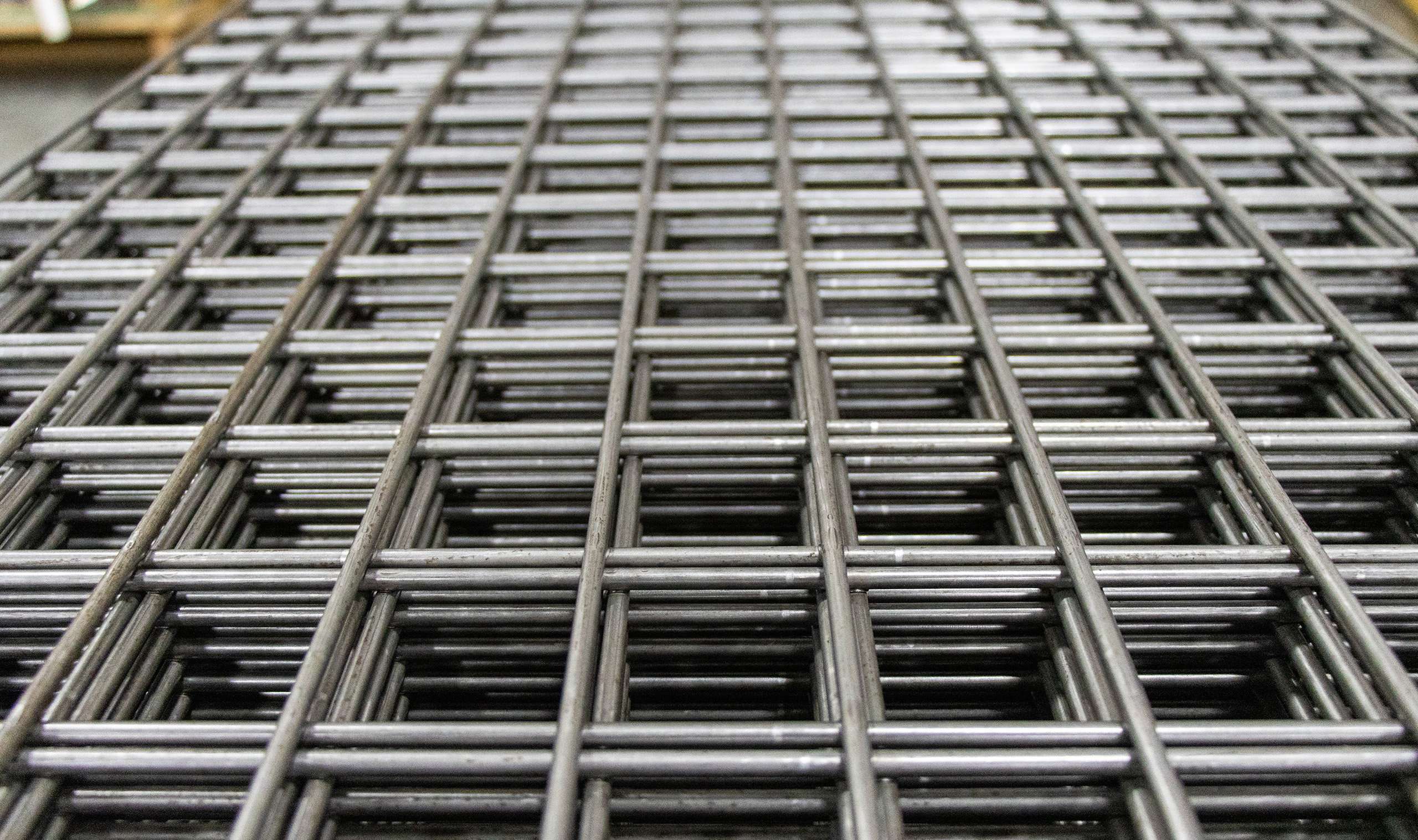
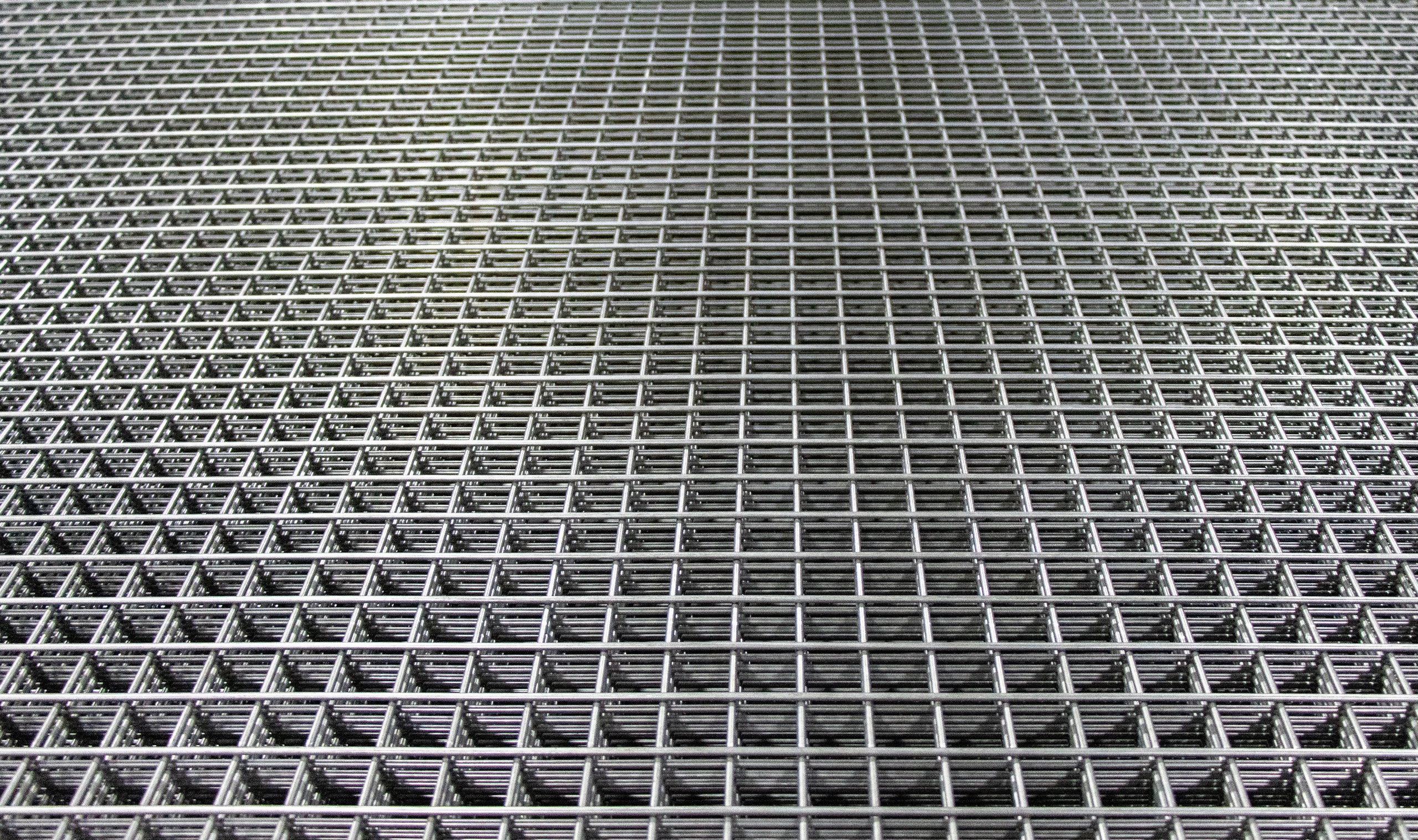
WWF comes in various sizes and patterns. Wire spacing usually ranges from 2 inches to 12 inches. Thickness varies depending on strength requirements. Sheets often measure 4 feet by 8 feet or larger. Patterns can be square or rectangular grids.
- Square grids: equal spacing in both directions
- Rectangular grids: different spacing horizontally and vertically
Choosing the right size and pattern ensures proper reinforcement and cost efficiency.

Credit: mcswusa.com
Applications In Construction
Welded wire fabric plays a crucial role in various construction projects. Its versatility and strength make it a preferred choice for reinforcing structures and ensuring durability. Understanding where and how it is applied can help you make better decisions on your next build.
Concrete Reinforcement
Concrete alone can crack and weaken over time. Welded wire fabric adds extra strength by holding the concrete together. It evenly distributes stress and prevents cracks from spreading.
If you’ve ever noticed cracks forming on a driveway or patio, it’s often due to insufficient reinforcement. Adding welded wire fabric beneath the surface can extend the life of your concrete significantly.
Wall And Floor Supports
Walls and floors need reliable support to handle weight and pressure. Welded wire fabric provides a stable framework inside these structures. It helps maintain shape and prevents sagging or collapsing.
Think about a basement floor or a retaining wall—using this fabric inside these areas can boost their strength without adding bulk. It’s a smart way to keep things solid and safe.
Road And Bridge Projects
Roads and bridges face constant stress from heavy traffic and weather conditions. Welded wire fabric is often embedded in concrete to improve toughness and longevity. It reduces the risk of cracks caused by repeated loads.
Next time you drive over a smooth highway or sturdy bridge, consider the hidden reinforcement that keeps it intact. Would you want to skip this step if you were responsible for the safety of thousands of travelers?
Industrial Uses
Welded wire fabric (WWF) plays a crucial role across various industries, offering strength, durability, and versatility. Its design, consisting of intersecting steel wires welded at each joint, provides a robust structure that suits multiple industrial applications. Understanding these uses can help you choose the right type of welded wire fabric for your specific needs.
Fencing And Security
Welded wire fabric is widely used to build strong fences that secure industrial sites, factories, and construction areas. Its rigid framework resists cutting and bending, making it an excellent barrier against unauthorized access.
Have you ever noticed how warehouses use mesh fences to protect expensive equipment? That’s WWF at work, providing reliable security without blocking visibility.
Animal Cages And Enclosures
Industries dealing with livestock or pets often rely on welded wire fabric to create cages and enclosures. It offers a safe, breathable environment while ensuring animals remain contained.
Whether it’s for poultry farms or zoos, WWF’s durability withstands animal activity and weather, making it a practical choice for long-term use.
Storage And Shelving Solutions
In warehouses and factories, welded wire fabric forms the backbone of many storage racks and shelving units. Its open grid design allows air circulation, reducing moisture buildup and protecting stored goods.
Using WWF shelves can improve organization and inventory visibility, helping you keep track of items efficiently without sacrificing strength.
Benefits Of Welded Wire Fabric
Welded Wire Fabric (WWF) offers numerous advantages that make it a preferred choice in construction and other applications. Understanding these benefits can help you decide if WWF fits your project needs. Here’s a closer look at what makes welded wire fabric stand out.
Strength And Durability
Welded Wire Fabric provides excellent strength due to its grid-like pattern of welded steel wires. This structure helps evenly distribute loads and resists cracking under pressure. If you need reinforcement that lasts, WWF offers reliable durability over time.
Imagine a concrete slab reinforced with WWF; it maintains integrity even under heavy use. This is why many builders trust it for foundations and walls. Have you noticed how some reinforced structures withstand wear better? WWF plays a big role in that resilience.
Cost-effectiveness
Using WWF can reduce overall project costs by minimizing labor and material waste. Since the mesh is pre-fabricated, you save time on site cutting and tying wires. That means fewer hours paid to workers and less material discarded.
Additionally, the strength of WWF often means less concrete is needed for the same support, lowering material expenses. Could your next project benefit from these savings? It’s worth considering if budget matters to you.
Ease Of Installation
Installing Welded Wire Fabric is straightforward, even for those new to construction. The sheets or rolls can be quickly laid out and secured without complex tools. This simplicity speeds up the process and reduces potential errors.
From personal experience, projects using WWF often finish ahead of schedule. Faster installation means you can focus on other critical tasks sooner. Have you ever struggled with wire reinforcement? WWF could make your job easier.
Versatility In Use
Welded Wire Fabric adapts well to many different projects, from residential slabs to industrial flooring and fencing. Its flexibility allows you to cut or shape it to fit unique designs and sizes. You’re not limited to standard applications.
Whether you’re reinforcing concrete or building a secure enclosure, WWF handles the job. What creative ways could you use welded wire fabric in your next project? Its versatility invites innovation.
Comparisons With Other Reinforcement Materials
Comparing welded wire fabric with other reinforcement materials helps you make the best choice for your project. Each material has its own strengths, weaknesses, and ideal uses. Understanding these differences lets you save time, reduce costs, and improve the durability of your construction.
Welded Wire Vs. Rebar
Welded wire fabric consists of thin steel wires welded into a grid, while rebar is a thicker, solid steel bar. Welded wire is easier to handle and install because of its lightweight and flexible form. You can quickly cover large surface areas without needing to cut or bend the material extensively.
Rebar provides greater tensile strength and is better suited for heavy structural support. However, it often requires more labor to place and secure properly. If your project demands precise, strong reinforcement in beams or columns, rebar might be the better option.
Consider the scale of your work and your budget. Are you reinforcing a slab or footing that needs broad coverage with moderate strength? Welded wire fabric could save you time and effort. But if strength is your top priority, rebar remains a solid choice.
Welded Wire Vs. Mesh Sheets
Mesh sheets and welded wire fabric are similar but not identical. Mesh sheets usually have thicker wires and larger openings, making them heavier and less flexible. Welded wire fabric offers smaller, consistent grid sizes, which improves crack control in concrete surfaces.
Mesh sheets are often used for fencing or heavy-duty reinforcement, where rigidity is important. Welded wire fabric suits applications like slabs, walls, or pavements where uniform reinforcement is needed across the area. It also adapts well to curved or irregular shapes.
Think about your project’s specific needs. Do you require a reinforcement that molds easily and controls cracks efficiently? Welded wire fabric could be the smarter option. But for straightforward, high-strength barriers or supports, mesh sheets might meet your needs better.
Credit: www.bankerwire.com
Maintenance And Longevity
Welded wire fabric needs some care to last long and stay strong. Proper maintenance helps protect it from damage and wear. Understanding how to care for it can extend its useful life. Simple steps keep the fabric reliable in different conditions.
Corrosion Resistance
The wire fabric often has a coating to prevent rust. Zinc coating is common and protects against moisture. Regular checks help spot any areas losing protection. Avoid harsh chemicals that can break down coatings. Keeping the fabric dry when possible slows corrosion. Rust weakens the wire and reduces its strength.
Repair Techniques
Small damages can be fixed easily to save the fabric. Use wire ties or clips to secure loose parts. For breaks, welding or soldering can restore strength. Clean the area before repair for better results. Replace sections only if damage is severe. Timely repairs stop problems from growing larger.
Lifespan Expectations
With good care, welded wire fabric can last decades. Outdoor use may reduce life due to weather exposure. Indoor use usually results in longer durability. Factors like climate, load, and environment affect lifespan. Regular inspections help predict when replacement is needed. Planning for maintenance keeps the fabric functional longer.
Choosing The Right Welded Wire Fabric
Choosing the right welded wire fabric can make a big difference in your project’s durability and success. It’s not just about picking any wire mesh; you need to consider specific factors that match your needs. Let’s break down what you should keep in mind to make an informed choice.
Factors To Consider
Start by looking at the wire diameter and mesh size. Thicker wires offer more strength but can be heavier and harder to handle. Smaller mesh sizes provide finer reinforcement but may increase the cost.
Think about the environment where the wire fabric will be used. Is it exposed to moisture or chemicals? If yes, a galvanized or stainless steel option might be necessary to prevent rust and corrosion.
Also, assess the load and stress the fabric must support. Are you reinforcing concrete floors or building animal cages? Each application demands different specifications, so knowing your exact requirements helps avoid costly mistakes.
Custom Fabrication Options
Sometimes, off-the-shelf welded wire fabric won’t fit your project perfectly. Custom fabrication allows you to choose specific wire gauges, mesh patterns, and panel sizes tailored to your needs.
For example, I once needed a mesh with unusual dimensions for a garden trellis. Custom cutting saved me time and ensured a perfect fit, which standard sizes couldn’t offer.
Ask your supplier about bending, cutting, or coating options. These add-ons can improve installation ease and final product performance, adapting the fabric exactly to your project’s demands.
Supplier Selection Tips
Choosing a reliable supplier is just as important as selecting the right welded wire fabric. Look for companies that provide detailed product information and certifications.
Check customer reviews and case studies to see how they handle delivery and quality control. A supplier who stands behind their product can save you headaches down the road.
Don’t hesitate to ask questions about their customization capabilities and lead times. Transparent communication helps set clear expectations and ensures your project stays on track.
Credit: www.bankerwire.com
Frequently Asked Questions
What Is Welded Wire Fabric Used For?
Welded wire fabric is mainly used in concrete reinforcement. It strengthens slabs, walls, and pavements. It provides stability and reduces cracking. It is common in construction projects for durability and safety.
How Is Welded Wire Fabric Made?
Welded wire fabric is made by welding steel wires together at intersections. The wires are arranged in a grid pattern. This process creates a strong mesh that offers uniform strength and support in concrete applications.
What Are The Benefits Of Welded Wire Fabric?
Welded wire fabric offers easy installation and consistent strength. It improves concrete durability and reduces labor costs. It also minimizes concrete cracking and enhances structural integrity, making it a preferred choice in construction.
How Do I Choose The Right Welded Wire Fabric?
Choose welded wire fabric based on wire diameter, mesh size, and project requirements. Consider load capacity and environmental factors. Consult structural guidelines to ensure safety and performance in your specific application.
Conclusion
Welded wire fabric provides strong support in construction projects. Its grid-like pattern ensures stability. Builders prefer it for its easy installation. This material suits many applications like roads and buildings. It offers durability and cost-effectiveness. Choosing welded wire fabric can enhance project quality.
It’s reliable and widely used. Engineers and contractors value its efficiency. Understanding its benefits can help make informed decisions. Consider welded wire fabric for your next project. It might be the right choice for lasting strength.
About The Author

