
When you start MIG welding, one of the first questions you’ll ask is, “What kind of gas should I use?” The right gas can make a huge difference in how smooth your welds look and how strong they hold. Choosing the wrong gas could leave you with weak joints, messy spatter, and frustration.
You’ll discover exactly which gases work best for MIG welding and why. By the end, you’ll feel confident picking the perfect gas for your project, saving you time and money. Keep reading—you don’t want to miss these essential tips!
Basics Of Mig Welding
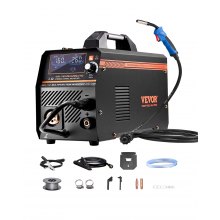
MIG welding is a popular welding technique used in many industries. It offers a fast and efficient way to join metals. Understanding its basics is important before choosing the right gas for the process. This section explains what MIG welding is and why it is widely used.
Definition And Process
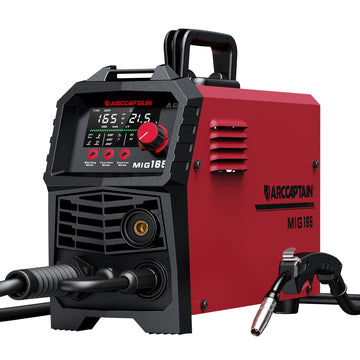
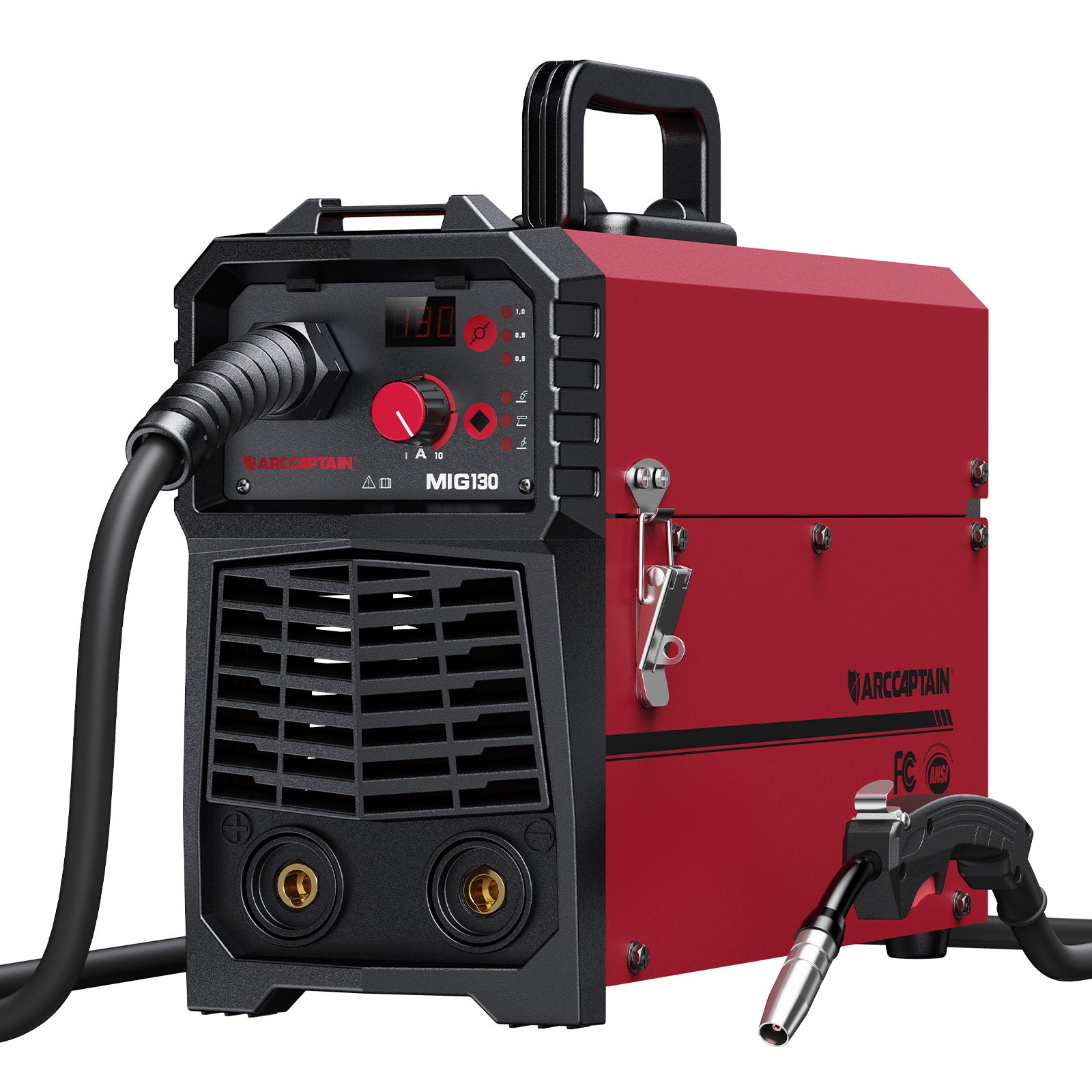
MIG stands for Metal Inert Gas welding. It uses a wire electrode that melts to join metals. A shielding gas flows around the weld to protect it from air contamination. The process is semi-automatic, making it easier to control than other welding types.
The welding gun feeds the wire and gas simultaneously. The heat from the electric arc melts the wire and base metals. This creates a strong bond as the materials cool and solidify. The gas keeps the weld clean and prevents defects.
Benefits And Applications
MIG welding works well on many metals, including steel, aluminum, and stainless steel. It produces clean and smooth welds with minimal spatter. The process is fast, which saves time on projects.
It suits both beginners and experienced welders. Many industries use MIG welding for construction, automotive, and manufacturing tasks. Its versatility makes it a top choice for many welding jobs.
Credit: www.arccaptain.com
Gas Types For Mig Welding
Choosing the right gas for MIG welding can change the quality and ease of your welds. Each gas type offers unique benefits and challenges, affecting factors like weld penetration, spatter, and bead appearance. Knowing how these gases work helps you make smarter decisions based on your specific welding needs.
Argon
Argon is a popular choice for MIG welding, especially when working with non-ferrous metals like aluminum and copper. It provides a smooth, stable arc and produces clean welds with minimal spatter.
If you want a crisp and neat finish, argon is often your best bet. It also helps control the weld pool, making it easier to manage thin materials.
Carbon Dioxide
Carbon dioxide is commonly used for welding steel and offers deep penetration with a more forceful arc. It’s less expensive than argon but tends to create more spatter and a rougher weld surface.
Have you noticed how CO2 welds sometimes require extra cleanup? That’s the trade-off for its strong weld penetration and affordability.
Helium
Helium is lighter and hotter than argon, which means it produces a wider and hotter arc. This makes it ideal for welding thicker materials or for faster welding speeds.
However, helium is more costly and less common, so you’ll want to weigh the benefits against your budget. Using helium can improve weld bead shape and reduce distortion when working on challenging projects.
Oxygen
Small amounts of oxygen are sometimes added to argon or carbon dioxide blends to improve arc stability and wetting action. This helps the weld bead flow better and reduces porosity.
Keep in mind that too much oxygen can cause excessive oxidation and weaken the weld. Do you pay attention to your gas mix ratios? Small changes can make a big difference in weld quality.
Choosing The Right Gas
Choosing the right gas for MIG welding affects the weld’s quality and strength. The gas shields the molten metal from air, preventing defects. Picking the correct gas helps achieve smooth, clean welds and reduces spatter. Several factors influence this choice, including the type of metal and budget.
Factors To Consider
Different gases offer various benefits and drawbacks. Consider the welding speed, heat input, and desired weld appearance. Some gases provide better arc stability, while others protect better against oxidation. Gas mixtures can combine advantages but may increase complexity.
Material Compatibility
Different metals react differently to shielding gases. For example, pure carbon dioxide works well on mild steel but can cause more spatter. Argon blends suit stainless steel and aluminum for smooth arcs. Check which gas matches the metal type to avoid weak welds or porosity.
Cost Implications
Gas prices vary widely depending on composition and purity. Pure argon is more expensive than carbon dioxide or mixed gases. Consider how much gas your project will consume and balance cost with quality needs. Bulk purchasing may reduce expenses for large jobs.
Mixing Gas For Optimal Results
Mixing gas for MIG welding plays a key role in achieving strong, clean welds. Choosing the right gas blend helps control the arc and affects the weld’s appearance. Different gas mixtures suit different metals and welding conditions.
Using mixed gases allows welders to balance shielding, penetration, and spatter. The right mix improves weld quality and reduces defects. It also influences the welding speed and ease of use.
Common Gas Mixtures
- Argon-CO2 Mix: Usually 75-95% argon with 5-25% carbon dioxide. Good for mild steel welding.
- Argon-Oxygen Mix: Small oxygen amounts (1-5%) in argon. Helps improve arc stability.
- Argon-Helium Mix: Combines argon with helium to increase heat and speed. Used for aluminum and copper.
- Tri-Mix: Argon, helium, and CO2 blend. Provides deeper penetration and better bead shape.
Advantages Of Mixed Gases
- Better arc control and stability during welding.
- Cleaner welds with less spatter and slag.
- Improved penetration for stronger joints.
- Faster welding speeds save time and effort.
- Adaptable to various metals and thicknesses.
Safety Precautions
Safety should always be your top priority when working with gases for MIG welding. The right precautions can prevent accidents and protect your health. Understanding how to handle and store gas properly, as well as how to prevent leaks, is crucial to creating a safe welding environment.
Handling And Storage
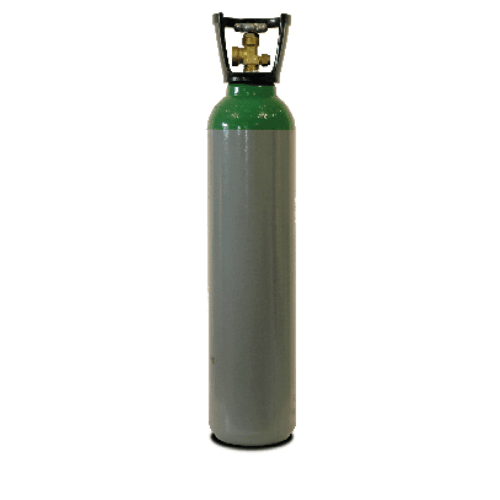
Always keep gas cylinders upright and secure them with chains or straps to prevent tipping. Store them in a well-ventilated area away from heat sources or direct sunlight. Avoid rolling or dragging cylinders; instead, use a proper cart designed for gas tanks.
Wear protective gloves and safety glasses when handling cylinders. Never tamper with safety valves or try to repair leaks yourself. Remember, even a small mistake can lead to dangerous situations, so treat each cylinder with care and respect.
Preventing Gas Leaks
Regularly inspect hoses, connections, and regulators for signs of wear or damage. Use soapy water to check for leaks—bubbles will appear if gas is escaping. Replace any faulty equipment immediately rather than risking a leak.
Always close cylinder valves tightly after use and bleed the lines to clear residual gas. Never attempt to detect leaks with a flame. Ask yourself: could a simple extra check prevent a costly accident in your workspace?
Credit: www.arccaptain.com
Troubleshooting Common Issues
Using the right gas in MIG welding is crucial for clean, strong welds. Troubleshooting common issues helps avoid weak joints and wasted materials. Understanding gas effects can solve many welding problems quickly.
Porosity Problems
Porosity causes small holes in the weld bead. It weakens the weld and looks bad. Shielding gas plays a key role in stopping porosity.
- Check for leaks in hoses or connections. Leaks let air enter the weld area.
- Use 100% CO2or a mix with argon for better shielding. Argon mixes reduce porosity more than pure CO2.
- Keep the gas flow steady and at the right rate. Too low or too high flow can cause porosity.
- Clean the metal surface before welding. Dirt, rust, or oil trap gases that cause bubbles.
Spatter Reduction
Spatter are unwanted metal droplets around the weld. It makes cleaning harder and can damage the workpiece.
- Choose argon-rich gas mixes to reduce spatter. Argon smooths the arc and lowers spatter.
- Adjust the voltage and wire feed speed. High voltage or speed increases spatter.
- Maintain the correct distance between the nozzle and workpiece. Too far or too close increases spatter.
- Use anti-spatter sprays or gels on the nozzle for easier cleanup.
Expert Tips For Perfect Welds
Perfect welds need the right gas and solid technique. Using the correct shielding gas keeps the weld clean and strong. Good welding skills improve weld quality and reduce mistakes. Follow these expert tips for better results with MIG welding gas.
Techniques For Beginners
Start with a gas mix of 75% argon and 25% CO2 for mild steel. This mix gives smooth, stable arcs and fewer sparks. Hold the welding gun at a 15-degree angle to guide the weld pool.
Keep the wire feed speed steady. Too fast makes a messy weld; too slow causes weak joints. Maintain a short distance between the nozzle and the metal, about 1/4 inch.
Practice steady hand movements. Move the gun smoothly along the seam. Avoid stopping too long in one spot to prevent burn-through.
Advanced Strategies
Try different gas blends for special metals. For stainless steel, use pure argon or argon with a small amount of oxygen. This prevents oxidation and improves weld appearance.
Adjust gas flow rate based on environment. Increase flow outdoors to stop air contamination. Use a flowmeter to keep gas flow between 20-25 cubic feet per hour (CFH).
Experiment with pulsed MIG welding. It controls heat better and reduces warping. Use gas mixes with helium to increase arc heat for thicker metals.
- Use back purging with inert gases for pipe welding.
- Clean metal surfaces before welding to avoid defects.
- Check gas hoses regularly for leaks or damage.
Credit: www.bottlegases.co.uk
Frequently Asked Questions
What Gases Are Best For Mig Welding?
Argon, CO2, and argon-CO2 mixes are best for MIG welding. Argon offers smooth welds on non-ferrous metals. CO2 provides deeper penetration on steel. Mixed gases balance weld quality and cost for various metals.
Can Pure Co2 Be Used For Mig Welding?
Yes, pure CO2 can be used for MIG welding steel. It offers deep weld penetration and is cost-effective. However, it can cause more spatter and rougher welds than argon mixes.
Why Use Argon In Mig Welding Gas Mixtures?
Argon stabilizes the arc and reduces spatter during MIG welding. It improves weld bead appearance and is ideal for welding aluminum and stainless steel. Argon-based mixes enhance weld quality on various metals.
How Does Gas Affect Mig Welding Quality?
Gas choice impacts weld penetration, spatter, and bead appearance in MIG welding. Proper gas ensures stable arc and strong welds. Using wrong gas can cause porosity, weak joints, and poor aesthetics.
Conclusion
Choosing the right gas makes a big difference in MIG welding. Different metals need different gases to weld well. Using the correct gas helps create strong, clean welds. It also keeps the welding process smooth and easy. Remember, simple gases like argon work well for many jobs.
For thicker metals, adding CO2 can improve results. Always match the gas to your metal and project. This choice saves time and reduces mistakes. Good gas means better welding and a better finished product. Keep these tips in mind for your next MIG weld.
About The Author

