

When you’re working with TIG welding, choosing the right shade for your helmet isn’t just a small detail—it’s a key factor that protects your eyes and helps you see clearly. You might wonder, “What shade should I use for TIG welding?” Picking the wrong one can cause discomfort or even damage, while the right shade keeps you safe and comfortable.
You’ll discover how to select the perfect shade for your welding tasks, so you can work smarter and safer every time. Keep reading to find out exactly what you need to know.

Credit: unimig.com.au
Importance Of Eye Protection In Tig Welding
Eye protection is crucial during TIG welding. The welding arc produces intense light and harmful radiation. These can cause serious eye injuries quickly. Wearing the right shade lens protects eyes from ultraviolet and infrared rays. It also reduces glare, helping welders see clearly.
Without proper eye protection, welders risk arc eye, also called welder’s flash. This painful condition causes redness, swelling, and temporary vision loss. Long-term exposure can lead to permanent eye damage. Proper eye protection keeps the eyes safe and comfortable.
Understanding The Risks Of Tig Welding Light
TIG welding creates a very bright, blue-white light. This light emits ultraviolet (UV) and infrared (IR) radiation. Both can harm the eyes and skin. UV rays can burn the cornea and cause welder’s flash. IR rays can heat the retina, damaging vision over time.
Even brief exposure to this light without protection can cause pain and injury. Wearing the correct shade lens blocks most of the harmful rays. This prevents eye strain and long-term damage.
Choosing The Correct Shade For Eye Protection
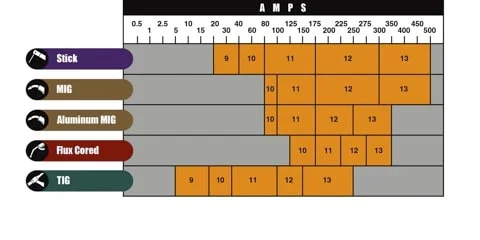
The shade number on welding helmets and glasses shows how dark the lens is. It controls how much light passes through. For TIG welding, a shade between 8 and 12 is usually recommended. The exact shade depends on the welding current and environment.
Lenses that are too light do not protect enough. Lenses that are too dark make it hard to see the work. Proper shade level balances protection and visibility.
Benefits Of Using Proper Eye Protection
- Prevents painful eye injuries like welder’s flash
- Blocks harmful UV and IR radiation
- Reduces glare and eye strain
- Improves welding accuracy and safety
- Protects vision for the long term
Understanding Weld Shade Numbers
Understanding weld shade numbers is essential for TIG welding safety. These numbers show the darkness level of the welding helmet lens. Choosing the right shade protects your eyes from harmful rays and bright light.
Shade numbers range from light to dark. Each number corresponds to how much light the lens blocks. Higher numbers mean darker lenses, which block more light.
What Weld Shade Numbers Mean
Weld shade numbers range from 1 to 14. Lower numbers are for grinding or cutting tasks. Higher numbers suit different types of welding, including TIG.
- Shade 1-4: For grinding and light tasks
- Shade 5-8: Suitable for low-amperage welding
- Shade 9-14: Used for arc welding and high-amperage tasks
Choosing The Right Shade For Tig Welding
TIG welding uses a bright, focused arc. It needs a shade that blocks intense light but still shows details. Shades 8 to 12 are common for TIG welding. Shade choice depends on the welding current.
How To Read Shade Numbers On Helmets
Helmets display shade numbers on the lens or packaging. Some helmets have adjustable shades. This allows welders to change the shade based on the task. Knowing the correct shade number ensures eye protection and clear vision.
Factors Influencing Shade Selection
Selecting the right shade for TIG welding is more than just picking a number off a chart. Several important factors affect which shade lens will protect your eyes while giving you the best view of your work. Understanding these elements helps you balance safety with visibility, ensuring clean and precise welds.
Material Type
The type of material you are welding significantly impacts your shade choice. Different metals produce varying light intensities and colors during welding. For instance, welding stainless steel often requires a darker shade compared to aluminum because of the brighter arc.
Have you noticed how the arc brightness changes with different materials? Adjusting your shade based on the metal keeps your vision clear and protects your eyes from harmful rays.
Welding Amperage
The amperage setting on your TIG welder directly affects the arc’s brightness. Higher amperage means a more intense arc, which demands a darker shade to shield your eyes properly. Lower amperage jobs allow for lighter shades, letting you see the weld pool more clearly.
Think about the last time you adjusted amperage but forgot to change your lens shade—did it strain your eyes or make it hard to see? Getting this balance right prevents eye fatigue and improves your welding precision.
Environment And Visibility
Your welding environment also plays a key role in shade selection. Bright ambient light, like outdoor sunlight, requires a darker shade to avoid glare, while dimmer indoor settings might need a lighter shade for better visibility. The contrast between your work area and the arc influences how well you can monitor the weld pool.
Consider where you usually weld—does the natural light affect your lens shade choice? Adjusting for environmental factors ensures you maintain clear vision without compromising safety.

Credit: www.amazon.com
Choosing The Right Shade For Different Materials
Choosing the right shade for TIG welding depends on the material you work with. Different metals require different protection levels for your eyes. The correct shade helps prevent eye strain and injury while allowing clear visibility of the weld pool.
Each material has unique welding characteristics. This affects the amount of light and heat produced during welding. Selecting the proper shade enhances safety and precision.
Aluminum
Aluminum welding produces a bright, intense arc. Use a shade between 10 and 13 for protection. The higher range suits thicker aluminum pieces. For thin sheets, a lighter shade near 10 works well. This balance helps see the weld pool clearly without eye damage.
Stainless Steel
Stainless steel welding generates moderate light intensity. A shade of 10 to 12 usually fits best. Thicker stainless steel needs a darker shade closer to 12. Thin sections require a lighter shade near 10. Proper shading ensures safe, clean welds.
Mild Steel
Mild steel welding produces less intense light than aluminum. Shade 9 to 11 is generally enough. Use shade 9 for thin mild steel sheets. Thicker materials benefit from shades 10 or 11. This range protects eyes while allowing good visibility of the weld.
Adjustable Auto-darkening Helmets
Adjustable auto-darkening helmets have become a game-changer for tig welding enthusiasts and professionals alike. These helmets automatically adjust the shade level based on the welding arc’s brightness, giving you the perfect balance of visibility and protection. This means you can focus more on your weld and less on constantly flipping your helmet up and down.
Benefits Of Auto-darkening Technology
One of the biggest advantages is convenience. You no longer need to lift your helmet to check your work or reposition your welding angle. This continuous view reduces neck strain and fatigue, especially during long welding sessions.
Another benefit is safety. The helmet instantly darkens when the arc strikes, protecting your eyes from harmful UV and infrared rays. It also brightens back when the arc stops, allowing you to see clearly without removing your helmet.
Think about how much smoother your workflow becomes when you don’t have to keep adjusting your gear. It’s a real time-saver and can even improve the quality of your welds.
Features To Look For
- Adjustable Shade Settings:Look for helmets that offer a wide range of shade levels (usually between 8 to 13) so you can match the right protection to your specific tig welding needs.
- Reaction Time:The faster the lens darkens after the arc strikes, the better. A reaction time under 1/25,000 of a second is ideal for protecting your eyes effectively.
- Viewing Area:A larger viewing area gives you a better field of vision, helping you maintain precision without constantly moving your head.
- Comfort and Fit:Since you’ll be wearing it for hours, ensure the helmet feels comfortable and has adjustable headgear to fit your size perfectly.
- Battery Life and Power Source:Some helmets use solar power, batteries, or a combination. Choose one that fits your usage pattern to avoid interruptions during work.
Have you ever noticed how much easier tig welding becomes with just the right helmet? Investing in an adjustable auto-darkening helmet could be the upgrade your welding setup needs.
Safety Standards And Regulations
Understanding safety standards and regulations is crucial before you pick the right shade for TIG welding. These rules exist to protect your eyes and skin from harmful light and radiation during welding tasks. Ignoring these guidelines can lead to serious injuries, including burns and permanent eye damage.
Ansi Z87.1 Standards
The ANSI Z87.1 standard sets the minimum requirements for eye and face protection in workplaces, including welding environments. It specifies the shade numbers required for different welding processes to prevent eye strain and injury. For TIG welding, the recommended shade typically ranges from 8 to 12 depending on the amperage used.
These standards ensure that your welding helmet or goggles filter out intense ultraviolet and infrared radiation. Have you checked if your current gear meets these standards? Using equipment that complies with ANSI Z87.1 gives you confidence that your eyes are safeguarded properly.
Osha Guidelines
The Occupational Safety and Health Administration (OSHA) provides detailed guidelines on personal protective equipment (PPE) for welders. OSHA mandates the use of appropriate filter lenses that correspond to the welding current to prevent arc eye and other injuries.
OSHA also requires employers to train workers on recognizing hazards and selecting the right shade for their specific welding tasks. This means your workplace should provide you with not just the right gear but also the knowledge to use it correctly. Have you received proper training on welding safety at your job?
Tips For Maintaining Eye Protection Gear
Protecting your eyes during TIG welding is crucial, but maintaining your eye protection gear is just as important. Proper care ensures your gear stays effective and lasts longer. Neglecting maintenance can lead to scratched lenses or weakened parts, which reduce safety and visibility.
Cleaning And Storage
Keep your welding helmet and goggles clean by wiping them gently with a soft, damp cloth after each use. Avoid abrasive materials that can scratch the lenses and impair your vision. Using lens-specific cleaning solutions can help remove stubborn dirt and grime without damaging the protective coating.
Store your eye protection gear in a dry, cool place away from direct sunlight. A dedicated case or pouch prevents dust buildup and accidental drops. Have you noticed how easy it is to forget about your gear until it’s scratched or broken? Storing it carefully helps you avoid that problem.
Replacing Lenses And Parts
Inspect your lenses regularly for cracks, scratches, or discoloration. Damaged lenses can distort your view and compromise eye safety. Replace lenses immediately if you notice any imperfections that affect your vision or protection.
Parts like headgear straps and cushioning pads also wear out over time. Don’t hesitate to swap these parts out to maintain comfort and a secure fit. Have you ever tried welding with a loose helmet? It’s distracting and risky, so keeping your gear in good shape is essential.
Common Myths About Welding Shades
Many welders have strong opinions about the right shade for TIG welding, but not all of them are based on facts. Some myths can lead you to choose the wrong shade, risking your eyesight or making your work harder. Let’s clear up some common misunderstandings to help you pick the right gear for your welding tasks.
Myth: Darker Shades Always Offer Better Protection
You might think the darker the shade, the safer you are. But using a shade that’s too dark can actually make it hard to see the weld pool clearly. This can cause you to lose control over your weld quality, especially when working on detailed projects.
Choosing the right shade means balancing protection with visibility, not just going for the darkest lens. Have you ever struggled to see your weld because your lens was too dark?
Myth: One Shade Fits All Tig Welding Jobs
Some welders believe a single shade number works for every TIG welding job. In reality, the ideal shade depends on the amperage and material thickness. For example, welding thin stainless steel at low amperage requires a lighter shade than welding thick aluminum at high amperage.
Adjusting your shade ensures you see clearly and stay protected. Are you using the same shade for all projects without checking the requirements?
Myth: Shade Numbers Are The Same Across All Brands
Not all manufacturers use the exact same standards for shade numbers. One brand’s shade 10 might be slightly lighter or darker than another’s. This difference can affect your comfort and safety without you realizing it.
Try to test your helmet or goggles under real welding conditions before buying. How confident are you that your gear’s shade matches the numbers on the label?
Myth: The Shade Number Only Matters For Eye Protection
While shades protect your eyes, they also affect how much strain your neck and head experience. A shade that’s too dark can cause you to tilt your head or squint, leading to discomfort or injury over time. Comfortable vision helps you maintain better posture and focus.
Have you noticed any neck or eye strain after welding sessions? Your shade choice could be the reason.
Top Brands And Products For Welding Shades
Choosing the right welding shade is critical for your safety and the quality of your work. The market offers a variety of brands and products designed to meet different TIG welding needs. Knowing which options stand out can help you pick a shade that protects your eyes without compromising visibility.
3m Speedglas Welding Helmets
3M Speedglas helmets are well-known for their reliable auto-darkening filters. They offer a range of shades suitable for TIG welding, typically from shade 8 to 13. These helmets adjust quickly to changing light, helping you maintain focus and precision.
One feature I appreciated when using a Speedglas helmet was the clear view during setup, which made positioning the torch easier. Have you experienced how a quick shade change can affect your workflow?
Lincoln Electric Welding Helmets
Lincoln Electric provides helmets with crystal-clear optics and durable construction. Their welding shades come with adjustable settings that let you customize the darkness level. This flexibility is crucial when working with different amperages in TIG welding.
Many welders value Lincoln helmets for their balance between cost and quality. Would you prefer a product that offers more control over shade settings or one that’s simpler to use?
Optrel Crystal 2.0
Optrel Crystal 2.0 helmets feature some of the clearest viewing lenses on the market. They use advanced technology to ensure minimal delay in darkening. For TIG welding, this means you get instant protection without losing sight of fine details.
Using this helmet, I noticed less eye strain during long welding sessions. Could better lens clarity improve your welding accuracy?
Jackson Safety Welding Helmets
Jackson Safety helmets are known for their affordability and solid performance. They offer a variety of shades that cover the typical range needed for TIG welding. These helmets often include adjustable sensitivity and delay controls.
For welders on a budget, Jackson helmets provide dependable protection. How important is budget when you decide on your welding gear?
Revco Welding Helmets
Revco helmets stand out with their lightweight design and strong auto-darkening filters. They typically offer shades from 9 to 13, suitable for most TIG welding tasks. The clear lens and quick response help reduce downtime between welds.
Wearing a lightweight helmet made a noticeable difference in my comfort during extended projects. Have you ever felt fatigue from heavy welding gear?
Credit: xtremeplasma.com
Frequently Asked Questions
What Shade Lens Is Best For Tig Welding?
For TIG welding, a shade lens between 8 and 13 is ideal. The exact shade depends on the welding amperage. Higher amperage requires darker shades for proper eye protection. Always refer to welding guidelines for precise shade recommendations.
Why Is Choosing The Correct Shade Important For Tig Welding?
Correct shade protects your eyes from harmful UV and IR radiation. It prevents eye strain and long-term damage. Using the wrong shade can cause discomfort and reduce welding accuracy. Proper shade ensures safety and clear visibility.
Can I Use A Lower Shade Lens For Tig Welding?
Using a lower shade lens can expose your eyes to harmful rays. It increases the risk of eye injury and strain. Always use the recommended shade level for your welding amperage. Safety should never be compromised.
How Does Amperage Affect The Shade For Tig Welding?
Higher amperage produces brighter arcs, needing darker shades for protection. Lower amperage requires lighter shades for clear visibility. Matching shade to amperage ensures balanced eye safety and weld quality. Follow welding tables for accurate shade selection.
Conclusion
Choosing the right shade for TIG welding protects your eyes and improves your work. Shade 10 to 13 usually works best for TIG welding tasks. It blocks harmful light without making it too dark to see clearly. Using the correct shade helps you weld safely and accurately.
Always check your welding helmet and lenses before starting. Protect your vision to weld better and avoid injuries. Safety and comfort go hand in hand with good shade choice. Keep your eyes safe and your welding strong.
About The Author

