
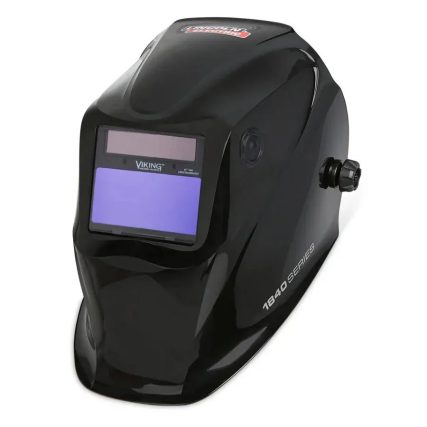
When you’re working with plasma cutting, protecting your eyes is not just important—it’s essential. Choosing the right shade lens can make a huge difference in how safe and comfortable you feel during the job.
But with so many options out there, how do you know which one is best for you? This guide will help you understand exactly what shade lens you need for plasma cutting, so you can work confidently without risking your eyesight.
Keep reading to find out how to protect your vision and improve your cutting experience.
Credit: shop.pipelinerscloud.com
Importance Of Shade Lenses
Choosing the right shade lens for plasma cutting isn’t just about comfort—it’s about safeguarding your vision. The intense light and radiation emitted during plasma cutting can cause serious eye injuries if you don’t use appropriate protection. Understanding the importance of shade lenses will help you work safely and maintain your eye health for years to come.
Protecting Your Eyes
Your eyes face powerful bursts of ultraviolet (UV) and infrared (IR) light during plasma cutting. Without the right shade lens, this intense light can lead to immediate pain, discomfort, and even long-term damage.
Shade lenses act like a barrier, filtering out harmful rays while still letting you see clearly. If you ever experienced eye strain or headaches after cutting, it’s a sign your lenses might not be dark enough.
Always check that your shade lens matches the plasma cutter’s power level. A lens too light won’t protect you properly; too dark and you might struggle to see your work clearly.
Preventing Radiation Damage
Radiation from plasma cutting doesn’t just harm your eyes in the short term—it can cause cumulative damage over time. UV and IR rays can damage the cornea and retina, increasing the risk of cataracts and other vision problems.
Wearing the correct shade lens reduces your exposure to these dangerous rays. Think about it: are you willing to risk your eyesight to save a few dollars on safety gear?
Investing in high-quality shade lenses is a small price for preventing serious, irreversible damage. Your vision is priceless, and proper eye protection helps you preserve it while you work.

Credit: www.amazon.com
Shade Numbers Explained
Understanding shade numbers is key to protecting your eyes while plasma cutting. These numbers indicate how dark the lens is, filtering harmful light and sparks. Knowing what each shade number means helps you choose the right lens, ensuring safety and clear vision during your work.
What Shade Numbers Mean
Shade numbers range from 1 to 14, showing how much light the lens blocks. The higher the number, the darker the lens, and the less light passes through.
- Lower numbers (1-6):Suitable for general use and light tasks, not for cutting or welding.
- Mid-range numbers (7-10):Provide moderate protection, often used for grinding or light welding.
- High numbers (11-14):Offer maximum protection, ideal for intense tasks like plasma cutting and welding.
Choosing the wrong shade can either strain your eyes or block too much light, making it hard to see your work. Have you ever worn a lens that was too dark and found yourself guessing where to cut? That’s exactly what you want to avoid.
Recommended Shades For Plasma Cutting
Most plasma cutting requires lenses rated between shade 8 and shade 13. The exact shade depends on the amperage of your plasma cutter.
| Plasma Cutter Amperage | Recommended Shade Number |
|---|---|
| 20 to 40 amps | Shade 8 to 9 |
| 40 to 60 amps | Shade 10 to 11 |
| 60 to 80 amps | Shade 12 to 13 |
If you’re cutting at higher amperages, lean toward the darker end of the range. You want to protect your eyes without losing sight of your cut line. Have you checked your plasma cutter’s amperage before picking your lens? It’s a small step that can save your vision.
Factors Influencing Shade Choice
Choosing the right shade lens for plasma cutting protects your eyes from harmful light. Several factors affect this choice. Knowing these factors helps pick a lens that balances safety and visibility. The amperage of the plasma cutter and the thickness and speed of cutting are key points to consider.
Amperage Of Plasma Cutter
The amperage level affects the brightness of the cutting arc. Higher amperage means a brighter and more intense light. This requires a darker shade lens to protect your eyes from damage. Lower amperage produces less intense light, allowing a lighter shade lens.
Always check the plasma cutter’s amperage rating. Match the lens shade to the recommended level for that amperage. This ensures maximum eye protection without losing sight of the work.
Cutting Thickness And Speed
Thicker materials need more power and slower cutting speeds. This creates a brighter and longer-lasting arc. Choose a darker shade lens for thicker cuts to reduce eye strain.
Faster cutting on thinner materials creates less intense light. A lighter shade lens can work well here, offering better visibility. Adjust the lens shade based on how fast and thick the cut is for safe and clear vision.
Types Of Lens Materials
Choosing the right lens material is key for effective plasma cutting. Different materials offer unique benefits and drawbacks. Understanding these helps protect your eyes and improve cutting precision. Lens materials mainly fall into two categories: glass and polycarbonate. Each serves a specific purpose and suits different working environments.
Glass Vs. Polycarbonate
Glass lenses provide excellent clarity and scratch resistance. They last longer under rough conditions. Glass is heavy but offers better optical quality. It handles high temperatures well, ideal for intense plasma cutting.
Polycarbonate lenses are lightweight and impact-resistant. They protect against flying debris and accidental drops. Polycarbonate is more flexible but can scratch easily. These lenses work well in fast-paced or mobile jobs.
Advantages Of Auto-darkening Lenses
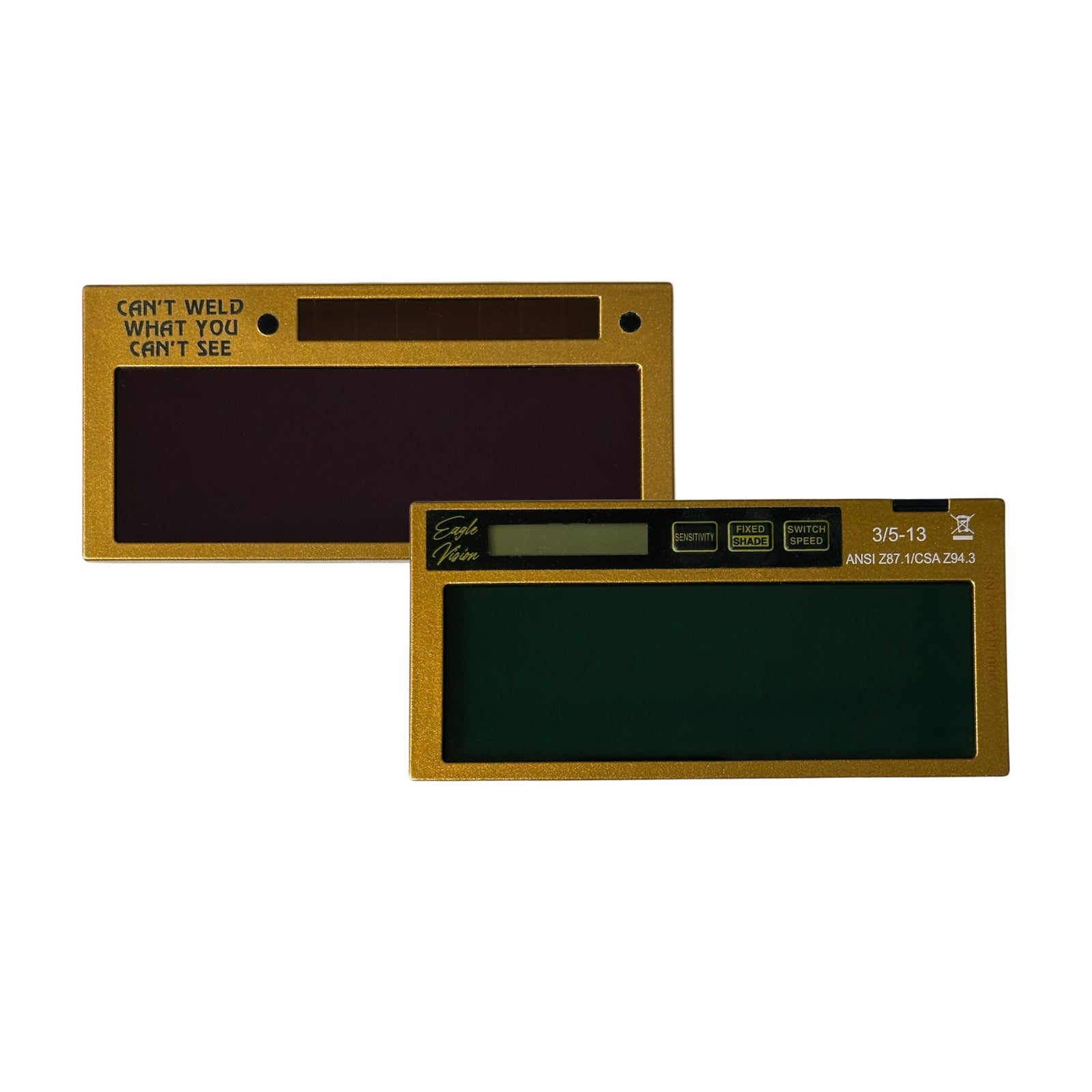
Auto-darkening lenses adjust shade instantly during cutting. They switch from light to dark in milliseconds. This reduces eye strain and improves safety. Users do not need to lift their helmets often. Auto-darkening lenses increase productivity by allowing continuous work.
These lenses also offer adjustable shade settings. This customization suits different plasma cutting intensities. Some models include solar power or replaceable batteries for convenience. Auto-darkening lenses are a smart choice for many welders and cutters.
Safety Standards And Certifications
Choosing the right shade lens for plasma cutting is vital for eye safety. Safety standards and certifications guide users to select lenses that protect against harmful light and sparks. These rules ensure the lens blocks intense radiation and reduces eye strain. Following these standards prevents accidents and long-term damage.
Ansi And Osha Guidelines
ANSI (American National Standards Institute) sets clear rules for shade lenses. These rules tell the exact darkness level needed for plasma cutting. OSHA (Occupational Safety and Health Administration) enforces these safety rules at work. Both organizations require lenses to meet specific shade numbers. The shade depends on the plasma cutter’s amperage. Using a lens below the recommended shade can cause eye injuries. Employers must provide lenses that follow ANSI and OSHA standards.
Ensuring Lens Quality
High-quality lenses must block ultraviolet and infrared light. They should also resist scratches and impacts. Look for lenses labeled with safety certifications like ANSI Z87.1. Certified lenses offer reliable protection and durability. Avoid cheap lenses without certification. They may not protect your eyes properly. Always check for clear markings or labels on the lens. Quality lenses improve comfort and reduce glare during cutting tasks.
Tips For Lens Maintenance
Proper maintenance of your plasma cutting lens extends its life and keeps your work safe. Dirt and damage can reduce visibility and protection. Regular care helps avoid costly replacements and accidents. Follow these tips to keep your lens clear and effective.
Cleaning And Storage
Clean the lens after each use to remove dust and debris. Use a soft cloth or lens wipe to avoid scratches. Avoid harsh chemicals that can damage the lens surface. Store the lens in a dry, cool place away from direct sunlight. Keep it in a protective case to prevent cracks or chips.
When To Replace Your Lens
Replace the lens if you see scratches, cracks, or cloudiness. Damaged lenses can reduce visibility and increase eye strain. Change the lens immediately if you notice any discoloration or warping. Follow the manufacturer’s guidelines for replacement intervals. Always have spare lenses ready for uninterrupted work.

Credit: www.amazon.com
Frequently Asked Questions
What Shade Lens Is Best For Plasma Cutting?
A shade 8 to 13 lens is ideal for plasma cutting. The exact shade depends on the amperage used. Higher amps require darker lenses to protect your eyes from intense light.
Why Is Shade 10 Common For Plasma Cutting?
Shade 10 balances visibility and protection well. It shields your eyes from harmful rays while allowing a clear view of the cutting process. Many professionals prefer it for general plasma cutting tasks.
Can I Use A Welding Lens For Plasma Cutting?
Yes, welding lenses with suitable shade ratings (8-13) work for plasma cutting. Ensure the lens rating matches your plasma cutter’s amperage for optimal eye safety.
How Does Amperage Affect Lens Shade Choice?
Higher amperage produces brighter light, requiring darker lenses (higher shade numbers). Lower amperage needs lighter shades. Always match lens shade to your plasma cutter’s amperage for proper protection.
Conclusion
Choosing the right shade lens keeps your eyes safe during plasma cutting. Darker lenses block harmful light and sparks effectively. A shade between 8 and 13 suits most cutting tasks. Always check your lens meets safety standards. Comfort matters too; a clear view helps you work better.
Protect your vision to avoid pain or injury later. Good lenses make cutting safer and easier every time. Stay safe, work smart, and pick the right shade lens today.
About The Author

