
When it comes to TIG welding, choosing the right gas can make all the difference in your results. You might have asked yourself, “What type of gas should I use for TIG welding?” The answer isn’t one-size-fits-all.
Your choice affects the quality, strength, and appearance of your welds. You’ll discover which gases work best for different metals and situations. By the end, you’ll know exactly what to use to get smooth, clean, and strong welds every time.
Keep reading to unlock the secret to perfect TIG welds!
Tig Welding Basics
TIG welding is a precise and clean welding method. It uses a non-consumable tungsten electrode to create the weld. This technique is popular for its strong, high-quality joints. Knowing the basics helps beginners start welding safely and effectively.
Understanding Tig Welding
TIG stands for Tungsten Inert Gas welding. It uses an inert gas to shield the weld from contamination. The tungsten electrode produces the arc that melts the metal. The welder controls the heat and the filler metal. This control allows for detailed and accurate welds. TIG welding works well on thin materials and various metals.
Key Components Of Tig Welding
- Tungsten Electrode:Creates the arc and does not melt during welding.
- Inert Gas:Usually argon, it protects the weld area from air and dirt.
- Power Supply:Provides a steady current for the arc.
- Welding Torch:Holds the tungsten electrode and directs the gas flow.
- Filler Rod:Added by the welder to fill the weld joint if needed.
Importance Of Shielding Gas
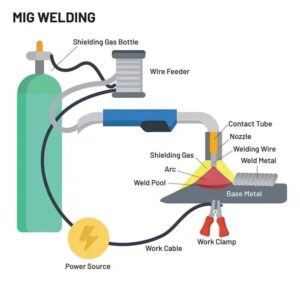
Shielding gas plays a vital role in TIG welding. It surrounds the weld area with an inert or semi-inert gas. This gas protects the molten metal from contamination. Without shielding gas, the weld can become weak and brittle. The right gas enhances the welding process, ensuring strong and clean welds.
Role In Protecting Weld Area
Shielding gas keeps oxygen, nitrogen, and other gases away from the weld pool. These gases cause oxidation and porosity in the weld. Shielding gas forms a protective barrier around the weld. This barrier prevents unwanted chemical reactions during welding. It also helps maintain the temperature and shape of the weld pool.
Impact On Weld Quality
The choice of shielding gas affects the final weld’s strength and appearance. Pure argon is common for clean, precise welds on thin materials. Argon mixed with helium increases heat, helping weld thicker metals. Sometimes a small amount of hydrogen or nitrogen is added to improve weld penetration. The right gas mix reduces spatter and improves bead smoothness. Using improper gas leads to defects like cracks and weak joints.
Common Types Of Gases
Choosing the right gas for TIG welding can change the quality and ease of your work significantly. The gas you select affects arc stability, heat input, and the final weld appearance. Let’s look at the common gases used in TIG welding and how each one can impact your project.
Argon
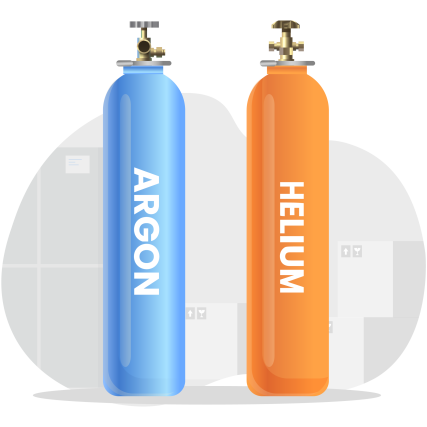
Argon is the most popular gas for TIG welding. It provides excellent arc stability and a smooth, clean weld. If you’ve ever struggled with inconsistent arcs, argon can help you maintain control.
Argon is especially effective for welding thin metals and non-ferrous metals like aluminum. It shields the weld area from contamination, preventing oxidation and other defects. Using pure argon can also reduce spatter, which means less cleanup after welding.
Helium
Helium is less common but has its advantages. It produces a hotter arc than argon, which can improve weld penetration and speed. If you need to weld thicker materials quickly, helium might be the right choice.
However, helium is more expensive and can make the arc less stable, which can be tricky for beginners. You might find that helium works best when mixed with argon to balance heat and control.
Argon-helium Mixtures
Combining argon and helium brings the benefits of both gases. These mixtures improve weld penetration and speed while keeping the arc stable and easy to control. Many welders prefer blends with 75% argon and 25% helium for a good balance.
Depending on your project, adjusting the helium content can help you fine-tune heat input and weld bead shape. Have you experimented with different gas mixes to see which one fits your welding style best?
Choosing The Right Gas
Choosing the right gas for TIG welding is more than just picking from a list. It directly affects the quality, strength, and appearance of your weld. Understanding how different gases interact with materials and welding conditions can save you time and improve your results.
Material Considerations
Different metals react differently under shielding gases. For example, pure argon works well with aluminum and magnesium because it provides excellent arc stability and protects the weld from oxidation.
On the other hand, stainless steel often benefits from a mix of argon and helium or small additions of hydrogen. These mixtures help improve penetration and bead appearance. Have you noticed how some welds seem to have a cleaner finish? That’s often due to the right gas choice for the metal.
Thickness And Welding Speed
Thicker materials usually require gases that provide deeper penetration. Adding helium to your argon gas mix increases heat input, which helps weld thicker sections faster.
For thinner metals, pure argon offers better control and less burn-through risk. It allows you to weld at lower speeds with a stable arc. Think about your welding projects: are you working with thin sheets or heavy plates? That choice influences your gas selection more than you might expect.
Gas Flow Rate And Pressure
Gas flow rate and pressure are crucial factors in TIG welding that directly influence the quality of your welds. If the flow is too low, the weld pool may become contaminated by air, leading to weak or porous welds. On the other hand, excessive flow can cause turbulence, wasting gas and possibly creating oxidation issues.
Optimal Flow Rates
Typically, the ideal flow rate for TIG welding ranges between 15 to 20 cubic feet per hour (CFH). This range provides enough shielding gas to protect the weld without creating unnecessary turbulence. I once tried welding aluminum with a flow rate below 10 CFH, and the welds showed clear signs of contamination.
Keep in mind that this optimal range can vary depending on the type of gas you are using and the size of your welding nozzle. Smaller nozzles usually require less gas, while larger nozzles demand a higher flow to maintain proper coverage.
Adjusting For Different Conditions
Environmental factors like wind, humidity, and temperature affect how you should set your flow rate and pressure. Outdoors or in drafty areas, you might need to increase the flow rate above the typical 20 CFH to prevent air from entering the weld zone.
Also, the gas pressure should be adjusted so the flow remains steady and consistent. Too high pressure can cause spatter, while too low pressure may not provide adequate shielding. Have you ever noticed inconsistent weld beads when the gas pressure wasn’t steady? This is a sign your setup needs fine-tuning.
To get the best results, start with the recommended flow rates and tweak based on your environment and materials. Monitoring your gas use and weld quality over time will help you find the perfect balance for your specific setup.

Credit: www.tifacparts.com
Safety Tips For Using Shielding Gas
Using shielding gas in TIG welding demands more than just knowing which gas to pick. Safety plays a crucial role in protecting you and your workspace from unexpected hazards. Understanding how to handle and store gases properly, along with maintaining good ventilation, can prevent accidents and health issues.
Handling And Storage Precautions
Always secure your gas cylinders in an upright position to prevent tipping. Use proper cylinder carts or racks when moving them to avoid dropping or damaging the valves.
Never store cylinders near heat sources or flammable materials. Keep them in a cool, dry, and well-ventilated area, away from direct sunlight.
Check the regulator and connections for leaks before starting your welding job. A simple soap bubble test can reveal small leaks quickly.
Ventilation And Health Measures
Shielding gases like argon and helium are heavier than air and can accumulate in low-lying areas, displacing oxygen. This creates a risk of suffocation without obvious warning signs.
Ensure your workspace has adequate airflow. Use exhaust fans or open doors and windows to keep fresh air circulating.
Have an oxygen monitor nearby if you work in confined spaces. It alerts you before oxygen levels drop to dangerous points.
Do you take breaks to step outside and breathe fresh air during long welding sessions? It’s a simple habit that helps reduce exposure to harmful gases and fumes.
Troubleshooting Gas-related Issues
Gas plays a vital role in TIG welding quality and safety. Troubleshooting gas-related issues helps maintain clean welds and stable arcs. Understanding common problems and their fixes prevents costly errors and downtime. Proper handling avoids contamination that can weaken welds or cause defects.
Common Problems And Solutions
- Gas Flow Too Low:Weak shielding leads to porosity and oxidation. Increase flow rate to recommended levels.
- Gas Flow Too High:Causes turbulence and draws air into the weld area. Lower flow to reduce contamination.
- Gas Leaks:Detect leaks by listening or using soapy water on connections. Tighten fittings or replace damaged parts.
- Incorrect Gas Type:Using wrong gas affects weld quality. Verify gas matches metal and welding specs.
- Dirty Gas Lines:Blockages reduce gas flow. Clean or replace hoses and regulators regularly.
Preventing Contamination
Keep gas cylinders capped when not in use. Store them upright in clean, dry areas. Use clean regulators and hoses free from oil or dirt. Avoid touching gas fittings with dirty hands or gloves. Purge gas lines before welding to clear air or moisture. Check for leaks and fix them immediately. These steps protect weld integrity and extend equipment life.

Credit: www.facebook.com
Advanced Techniques With Shielding Gas
Using the right shielding gas in TIG welding isn’t just about protecting the weld from contamination. It can also unlock advanced techniques that refine your work’s quality and performance. The choice of gas affects how the weld looks and how strong it becomes, giving you more control over the final result.
Enhancing Weld Appearance
The shielding gas you pick can drastically improve the smoothness and shine of your weld. Pure argon is a popular choice because it produces a clean, bright bead with minimal spatter. Adding a small amount of helium can increase heat input, which helps create a wider, more polished weld pool.
Have you noticed how some welds seem almost mirror-like? That’s often due to a carefully balanced gas mix. Experimenting with argon-helium blends can give you that professional finish, especially on aluminum and stainless steel.
Improving Weld Strength
Shielding gas doesn’t just affect looks—it can also change the strength of your weld. For example, adding a little hydrogen to argon can improve penetration and fusion, making the weld tougher. But be cautious; too much hydrogen can cause porosity or cracking.
Choosing the right gas mix depends on the material you’re welding and the strength requirements. Stainless steel often benefits from argon with a small amount of hydrogen or nitrogen, which boosts corrosion resistance and mechanical properties. Have you tested how different gases affect your welds under stress? It’s worth trying to find the perfect balance.
Credit: www.elgas.com.au
Frequently Asked Questions
What Type Of Gas Is Best For Tig Welding?
Argon is the most common gas for TIG welding. It provides excellent arc stability and a clean weld. Pure argon works well for most metals, including steel, stainless steel, and aluminum. It ensures smooth, high-quality welds with minimal contamination.
Can I Use Helium For Tig Welding?
Yes, helium is used in TIG welding to increase heat input. It works well for thicker metals and aluminum. Helium produces a hotter arc, improving penetration and weld speed. Often, helium is mixed with argon for better weld control.
Why Is Argon Preferred In Tig Welding?
Argon offers excellent shielding properties. It protects the weld pool from atmospheric contamination. Argon creates a stable, smooth arc that reduces spatter. It is also readily available and cost-effective for TIG welding.
Is Co2 Suitable For Tig Welding?
CO2 is generally not recommended for TIG welding. It causes unstable arcs and poor weld quality. CO2 is more suited for MIG welding processes. Using CO2 in TIG can lead to oxidation and weak welds.
Conclusion
Choosing the right gas affects your TIG welding quality greatly. Pure argon works well for most metals. Adding helium can increase heat and speed. Some metals need a mix to prevent oxidation. Always match the gas type to the metal and job.
Proper gas helps create clean, strong welds. Keep your setup simple and steady. The right gas keeps your work safe and efficient. Test different gases to find what suits you best. Good gas choice means better welds every time.
About The Author

