
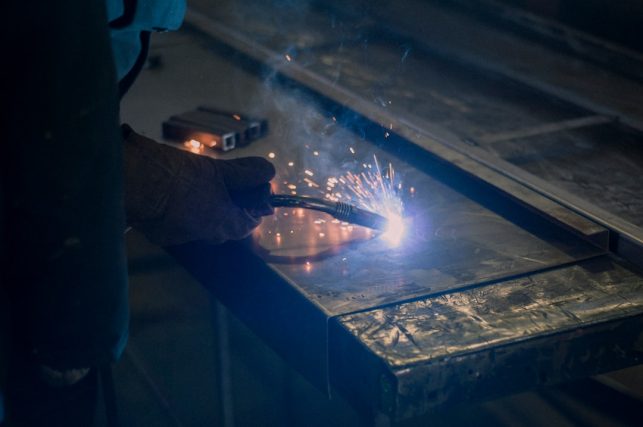
Ever found yourself staring at a welding machine, wondering what makes it tick? If you’re curious about welding techniques, you’ve likely stumbled upon the term “flux core welding.”
But what exactly is it, and why should you care? Flux core welding isn’t just another welding method; it’s a game-changer for both hobbyists and professionals alike. Imagine being able to weld in outdoor conditions without the hassle of shielding gas.
Picture a process that offers deep penetration and faster welding speeds. Whether you’re new to welding or a seasoned pro looking to expand your skills, understanding flux core welding can open up a world of possibilities. Stick around to discover how this technique can revolutionize your projects and boost your welding efficiency.
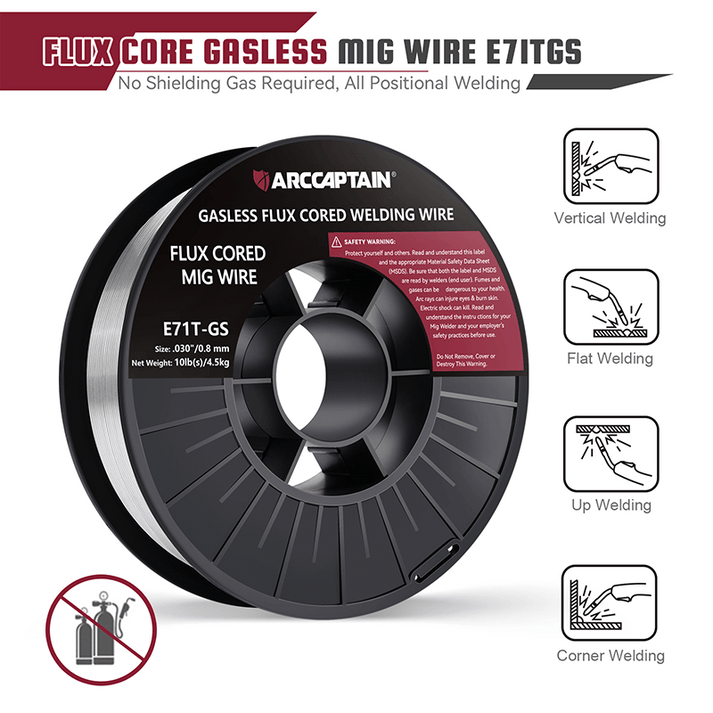
Credit: www.arccaptain.com
Flux Core Welding Basics
Flux core welding is a popular technique in metal fabrication. It offers versatility and ease of use. This welding method is suitable for various applications, from industrial projects to home repairs. Understanding its basics can enhance your welding skills.
What Is Flux Core Welding
Flux core welding involves using a tubular wire filled with flux. The flux generates a protective gas shield during welding. This process resembles MIG welding but doesn’t require external gas. It’s efficient for welding thick materials and in outdoor environments.
Key Components
- Welding Wire:A hollow wire filled with flux. It shields the weld.
- Welding Machine:Provides the necessary power and controls.
- Wire Feed System:Feeds the wire consistently to maintain a stable arc.
- Nozzle:Directs the wire and shields the arc during welding.
Each component plays a vital role in successful flux core welding. Proper setup ensures quality and efficiency. Knowing these basics sets a strong foundation for your welding endeavors.

Credit: mechlesson.com
Equipment And Tools
Flux core welding is a versatile and efficient method used in various industries, from construction to automotive repairs. To get started, you need to ensure you’re equipped with the right gear and tools to make your welding process seamless and effective. Whether you’re a seasoned professional or a DIY enthusiast, understanding the equipment is crucial for achieving optimal results.
Essential Gear
Your safety is paramount when welding. Always start with protective gear, including a welding helmet with an auto-darkening feature to safeguard your eyes. Gloves designed for welding will protect your hands from heat and sparks. Don’t forget a fire-resistant jacket, as it shields your body from molten metal splatter.
Ventilation is often overlooked but critical. Ensure your workspace is well-ventilated or equipped with an exhaust system to minimize exposure to fumes. A sturdy welding table is essential as it provides a stable surface for your work, allowing precision and safety.
Choosing The Right Welder
Selecting the appropriate welder can feel overwhelming with so many options available. Start by considering the thickness of the materials you’ll be working with. Flux core welders are excellent for thicker materials, offering deeper penetration and strength.
Think about the environment where you’ll be welding. If you’re working outdoors or in drafty spaces, flux core welding is advantageous because it doesn’t require shielding gas. This makes it more adaptable to variable conditions.
Consider the power requirements of your welder. Ensure you have the proper electrical setup to handle the machine’s demands. Some welders require a higher voltage, while others can operate on standard outlets. Assess your needs and work environment to choose the best fit.
Ultimately, how do you plan to use your welder? If you’re often moving between projects, a portable welder with easy setup and maintenance might be ideal. Think about your future projects and choose equipment that grows with your skills.
Types Of Flux Core Wire
Flux core welding uses a special wire with a flux coating to join metals. There are two main types of flux core wire: self-shielded and gas-shielded. Self-shielded wires work well outdoors without extra gas, while gas-shielded wires need a gas supply for protection.
In the world of flux core welding, the type of wire you choose can dramatically affect the outcome of your project. Different wires offer unique advantages and are suited to various welding environments and materials. Understanding these types can help you make informed decisions and achieve the best results.Self-shielded Wire
Self-shielded wire is a popular choice for outdoor welding. It doesn’t require an external gas supply, making it convenient and portable. This wire produces its own shielding gas when melted, protecting the weld from contaminants. Consider using self-shielded wire when you’re working in windy or remote locations. It’s perfect for construction sites or any outdoor repairs. However, remember that it might produce more spatter and require a bit more cleanup.Gas-shielded Wire
Gas-shielded wire, on the other hand, requires an external shielding gas. This type of wire is typically used in indoor environments. The shielding gas protects the weld from atmospheric gases, leading to cleaner, more precise welds. When precision and aesthetics are your priority, gas-shielded wire is the way to go. It’s often used in automotive and manufacturing industries. Just be prepared with the necessary gas supply and equipment. Choosing the right type of flux core wire can be a game-changer in your welding projects. Think about your environment and the specific needs of your task. Are you aiming for portability or precision?Techniques For Beginners
Flux core welding offers a beginner-friendly approach to joining metals. This technique uses a tubular wire filled with flux to protect the weld from contaminants, making it ideal for outdoor projects or when working in windy conditions. Its simplicity and affordability make it an accessible choice for new welders.
Flux core welding is a popular technique for beginners. It is easy to learn and effective. This method uses a special wire with a flux core. The flux helps protect the weld from contamination. Beginners find it straightforward and forgiving. Here are some essential techniques to get started.Setting Up The Workspace
Create a clean and organized workspace. Ensure good ventilation to avoid harmful fumes. Arrange your tools within easy reach. Use a sturdy table or bench for stability. Check for proper lighting to see details clearly. Safety gear is crucial. Wear gloves, a mask, and a welding helmet. Clear the area of flammable materials. Always have a fire extinguisher nearby.Basic Welding Techniques
Start with a clean surface. Use a wire brush to remove rust and dirt. Cut the wire to the right length. Feed the wire through the welding gun. Adjust the machine settings. Set the right voltage and wire speed. Practice on scrap metal first. Use the push or pull technique. Keep a steady hand and consistent speed. Overlap each weld slightly for strength. Always check for weld quality. Look for even and smooth welds.Advanced Techniques
Flux core welding uses a special wire with flux inside. It creates a strong weld without needing gas. Suitable for outdoor or windy conditions.
Flux core welding is a versatile technique that can be adapted for various complex scenarios. By mastering advanced techniques, you can elevate your welding skills to new heights. These methods not only enhance your efficiency but also expand the possibilities of what you can achieve with flux core welding.Vertical And Overhead Welding
Tackling vertical and overhead positions can be challenging, but with flux core welding, it becomes manageable. The key is maintaining a steady hand and consistent heat. Use a weaving motion to ensure even distribution of the weld material. This technique helps prevent the weld from sagging or dripping. Experiment with different angles to find what works best for you. Adjusting the voltage settings can also make a significant difference in controlling the weld pool. Have you ever felt the thrill of welding overhead and seeing a flawless bead form? It’s all about precision and practice.Multi-pass Welding
Multi-pass welding allows you to build up thickness and strength in your welds. It’s particularly useful for larger joints or thicker materials. Start with a root pass to establish a strong foundation. Follow up with filler passes to add bulk and ensure coverage. Keep each pass clean and free of slag to maintain quality. Use the right electrode size for the material thickness. Have you tried making a table with multi-pass welding? Watching it take shape with each pass is incredibly satisfying. Remember, patience and attention to detail make all the difference. Adjust your technique based on the material and joint configuration for the best results.Common Challenges
Flux core welding is an efficient and versatile method used in various industries, but it does come with its own set of challenges. As a welder, navigating these challenges can significantly impact the quality of your work. Understanding and addressing these issues can help you achieve cleaner, more durable welds.
Dealing With Splatter
One of the most common challenges in flux core welding is dealing with splatter. Splatter can make your welds look messy and require extra cleanup time. To minimize splatter, ensure you’re using the correct voltage and wire feed speed settings.
Using anti-spatter spray can also help reduce the amount of cleanup required. Keep a steady hand and consistent travel speed to avoid erratic splatter. Are you using the right shielding gas? Sometimes, switching gases can make a big difference.
Avoiding Porosity
Porosity in welds is another frequent issue, often caused by contaminants or improper gas coverage. Make sure your workpiece is clean and free of rust, oil, or paint before you start welding. Check your gas flow rate and ensure there are no leaks in your gas hose.
Is your welding environment affecting your welds? Wind and drafts can disrupt gas flow, leading to porosity. Consider using a windscreen or welding indoors if possible. Ensuring a stable arc and correct electrode angle can also help in reducing porosity.
By tackling these challenges head-on, you can improve your flux core welding results. What strategies have you found effective in overcoming these common welding hurdles?
Safety Measures
Proper safety measures ensure protection in flux core welding. Use protective gear like helmets, gloves, and aprons. Ensure ventilation to avoid harmful fumes.
Flux core welding is a popular technique in metalworking. It offers versatility and efficiency, but safety is paramount. Understanding the necessary safety measures ensures a secure welding experience. Let’s explore how to stay safe during flux core welding.Protective Gear
Wearing the right protective gear is essential. A welding helmet shields your eyes from harmful UV rays. Use gloves to protect your hands from heat and sparks. Ensure your clothing covers your skin completely. Long sleeves and pants reduce the risk of burns. Leather boots provide protection for your feet. Always choose flame-resistant materials for welding attire.Handling Equipment Safely
Proper handling of welding equipment is crucial. Inspect all tools before use. Check cables for any signs of damage. Keep your workspace clean and organized. Avoid clutter that can lead to accidents. Ensure adequate ventilation to disperse fumes. Maintain a safe distance from flammable materials. Use proper lifting techniques to avoid injury. Always turn off equipment when not in use.Applications Of Flux Core Welding
Flux Core Welding is ideal for outdoor work and thick metal projects. It excels in shipbuilding, construction, and heavy equipment repair. This method handles steel and stainless steel, even in windy conditions.
Flux Core Welding, often abbreviated as FCAW, is a versatile welding process. It uses a tubular wire filled with flux to protect the weld area from oxidation. This technique is popular for its efficiency and adaptability. It finds application in various sectors due to its ability to handle thick materials. Let’s explore where Flux Core Welding shines the most.Industrial Uses
Flux Core Welding is a staple in heavy industries. Its ability to weld thick metals makes it ideal for shipbuilding. Construction companies rely on it for structural welding. It’s also used in the manufacturing of heavy equipment. The process ensures strong, durable joints in machinery. Pipelines benefit from its efficiency and reliability. It withstands outdoor conditions, making it perfect for on-site work. Factories use it for quick repairs and maintenance tasks.Diy Projects
Many hobbyists prefer Flux Core Welding for home projects. It’s great for crafting metal sculptures. Car enthusiasts use it to repair and customize vehicles. Gardeners weld metal structures for plant support. It’s simple enough for beginners to learn. Small furniture pieces can be crafted with ease. Household repairs involving metal are quick and efficient. This process doesn’t require a gas tank, simplifying setup.
Credit: www.arccaptain.com
Frequently Asked Questions
What Is Flux Core Welding Good For?
Flux core welding is ideal for outdoor projects, especially in windy conditions. It works well on thicker materials and provides deep penetration. It’s great for dirty or rusty surfaces, requiring minimal cleanup. Beginners find it user-friendly due to its easy setup and operation.
Is Flux Core Welding As Strong As Mig?
Flux core welding can be as strong as MIG welding, depending on the materials and application. Both have their strengths and limitations. MIG welding is often preferred for thinner materials, while flux core excels in outdoor or windy conditions. Proper technique and settings are crucial for optimal strength in both methods.
When Should You Use Flux Core?
Use flux core for welding outdoors in windy conditions. It’s ideal for thick materials and works without shielding gas. Choose it for portability and when working on dirty or rusty surfaces. It’s perfect for quick repairs and projects that require deep penetration.
Is Flux Core Welding As Good As Stick Welding?
Flux core welding is good for outdoor and windy conditions. Stick welding excels in versatility and thicker materials. Each has its strengths, depending on the project needs. Choose based on the environment and material thickness for best results.
Conclusion
Flux core welding is a versatile and effective technique. It suits various projects and materials. This method is popular due to its simplicity. Even beginners can learn and use it. It provides strong and reliable welds. Ideal for outdoor and windy conditions.
Equipment is affordable and easy to handle. Remember to use proper safety gear. Practice enhances skills and results. Explore flux core welding for your next project. Enjoy the benefits of its efficiency and convenience.
About The Author

