
Are you trying to figure out which welding method suits your project best? Understanding the difference between MIG and TIG welding can save you time, money, and frustration.
Both techniques have their strengths, but knowing when and how to use each one can make all the difference in the quality of your work. You’ll discover the key contrasts between MIG and TIG welding in a simple way that helps you choose the right tool for your needs.
Keep reading, and you’ll gain the confidence to tackle your welding tasks like a pro.
Credit: www.longshengmfg.com
Basics Of Mig And Tig Welding
MIG and TIG welding are two popular welding techniques used in many industries. Both methods join metals but use different tools and processes. Understanding the basics helps you choose the right method for your project.
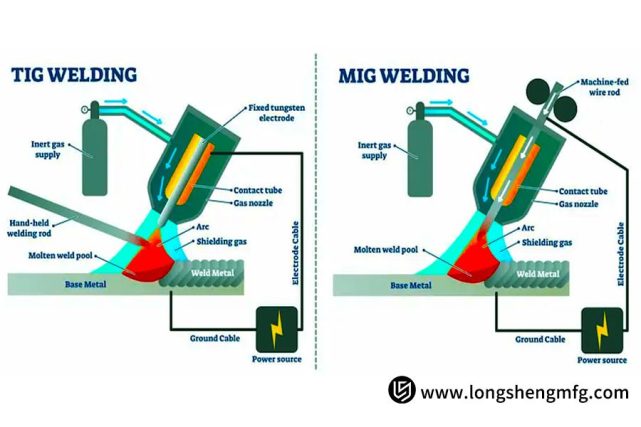
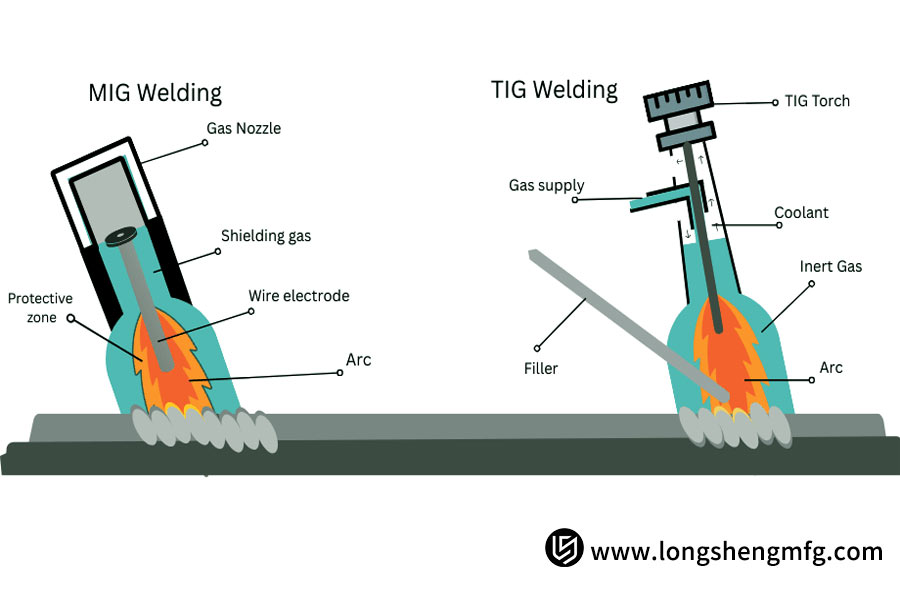
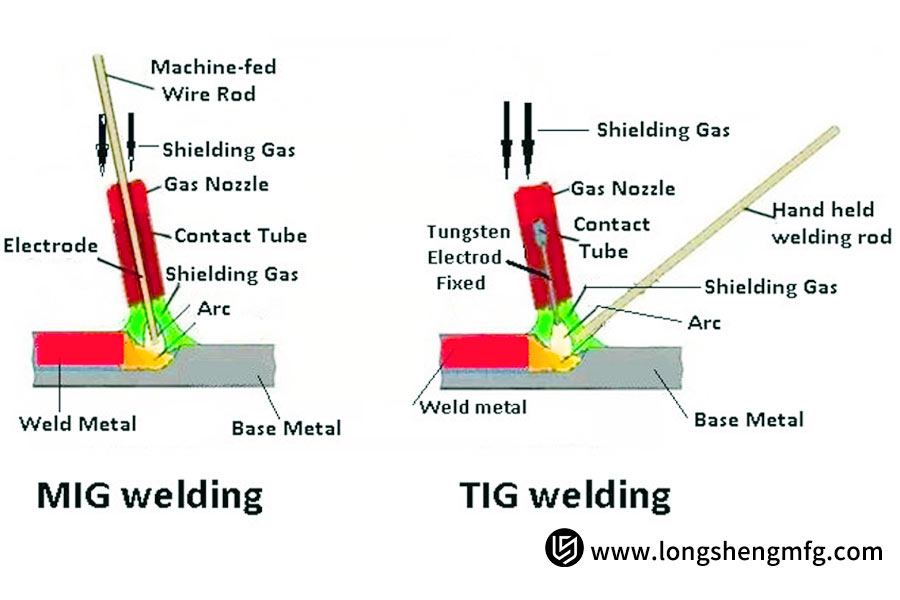
MIG welding stands for Metal Inert Gas welding. It uses a continuous wire electrode that melts and joins the metals. TIG welding means Tungsten Inert Gas welding. It uses a non-consumable tungsten electrode to create the weld.
How Mig Welding Works
MIG welding feeds a wire electrode through a welding gun. The wire melts and fuses the metals together. An inert gas shields the weld pool from contamination. This gas usually is argon or a mix of argon and carbon dioxide. MIG welding is fast and easy to learn.
How Tig Welding Works
TIG welding uses a tungsten electrode that does not melt. The welder adds filler metal manually if needed. An inert gas, often pure argon, protects the weld area. TIG welding creates precise and clean welds. It requires more skill and control than MIG welding.
Materials Used In Mig And Tig Welding
- MIG welding works well with steel, aluminum, and stainless steel.
- TIG welding is ideal for thin materials and exotic metals like magnesium and copper.
- TIG welding offers better control for delicate or detailed work.
Equipment And Tools
Welding requires specific equipment and tools to create strong, precise joints. MIG and TIG welding use different gear to suit their unique processes. Understanding these tools helps choose the right welding method for your project.
Mig Welding Equipment
- Welding Machine:Delivers a continuous electric current.
- Wire Feed System:Feeds the welding wire automatically.
- Welding Gun:Guides the wire and shielding gas to the weld.
- Shielding Gas Supply:Usually uses argon or a mix of gases.
- Ground Clamp:Completes the electrical circuit for welding.
- Protective Gear:Includes helmet, gloves, and jacket.
Tig Welding Tools
- TIG Welding Machine:Provides a controlled electric arc.
- Tungsten Electrode:Non-consumable electrode creates the arc.
- Filler Rod:Manually added to the weld pool.
- Gas Supply:Pure argon gas protects the weld area.
- Torch:Holds the tungsten electrode and directs the arc.
- Foot Pedal:Adjusts the welding current while working.
- Protective Gear:Includes helmet, gloves, and protective clothing.
Process Techniques
Understanding the process techniques behind MIG and TIG welding can help you decide which method suits your project best. Both techniques involve joining metals but differ significantly in how they handle materials and control the weld. Let’s break down the key aspects of each to see what makes them unique.
Mig Welding Technique
MIG welding uses a continuous wire electrode fed through a welding gun. This wire melts and joins the metals together as you move the gun along the seam.
One major advantage is speed; MIG welding is faster and easier to learn. It works well for thicker materials and outdoor jobs where speed and efficiency matter.
However, MIG welding requires a shielding gas, like argon or CO2, to protect the weld from contamination. This means you need extra equipment and a stable work environment to avoid gas disruption.
Have you ever struggled with uneven weld beads? MIG welding tends to produce wider, less precise welds, so it’s less suited for delicate or thin metals.
Tig Welding Method
TIG welding uses a non-consumable tungsten electrode to produce the weld. You manually add filler metal separately, giving you greater control over the weld pool.
This technique shines in precision work. It’s ideal for thin metals, stainless steel, and projects requiring clean, high-quality welds with minimal spatter.
TIG welding takes more skill and patience since you control the heat, filler, and torch simultaneously. But mastering it means you can tackle complex joints and achieve superior weld strength.
Do you value control and aesthetics in your welds? TIG welding offers the finesse many professionals seek for critical or artistic metalwork.
Material Compatibility
Material compatibility is a key factor in choosing between MIG and TIG welding. Each welding type works best with certain metals. Knowing which metals suit each process helps ensure strong, clean welds. This guide explains the ideal metals for MIG and TIG welding.
Suitable Metals For Mig
MIG welding is versatile and works well with many metals. It is popular for thicker metals and projects requiring faster welds.
- Steel, including mild and stainless steel
- Aluminum
- Nickel alloys
- Copper
- Magnesium
MIG’s continuous wire feed helps with metals that need quick, strong welds. It is less precise but very efficient for general use.
Ideal Materials For Tig
TIG welding suits metals needing detailed, clean welds. It works best on thinner materials and metals sensitive to heat.
- Stainless steel
- Aluminum and its alloys
- Copper and copper alloys
- Magnesium
- Titanium
TIG allows better control of heat and filler material. This precision reduces warping and produces smooth, high-quality welds.
Welding Speed And Efficiency
Welding speed and efficiency are key factors in choosing between MIG and TIG welding. Speed affects how fast a project finishes. Efficiency impacts material use and energy consumption. Both methods have different strengths in these areas. Understanding these can help select the best welding process.
Mig Speed Considerations
MIG welding is known for its fast welding speed. It uses a continuous wire feed, which reduces downtime. This makes it ideal for large projects or thick materials. The process produces less slag, so cleaning takes less time. Speed can vary based on metal type and thickness.
- Continuous wire feed increases welding speed.
- Less cleaning needed due to minimal slag.
- Works well on thick materials quickly.
- Good for production and repair work.
Tig Efficiency Factors
TIG welding is slower but offers high precision. It requires manual feeding of the filler rod, which takes time. This process uses less filler material overall. TIG produces a cleaner weld with better control of heat input. It is efficient for thin metals and detailed work.
- Manual filler rod feeding slows the process.
- Less filler material waste.
- Excellent control reduces heat damage.
- Ideal for thin metals and delicate tasks.
Skill Level And Training
Skill level and training vary greatly between MIG and TIG welding. Each method requires different techniques and practice. Understanding these differences helps beginners choose the right path for their welding journey.
Learning Curve For Mig
MIG welding is easier to learn for beginners. The process uses a continuous wire feed, making it simpler to control. Welders can quickly create strong joints with less effort. Training time is shorter, allowing faster skill development. Many start with MIG to build basic welding skills.
Tig Skill Requirements
TIG welding demands more precision and hand coordination. It requires controlling the torch, filler rod, and heat simultaneously. Welders must maintain steady hands and focus on detail. Training takes longer due to its complexity. TIG welders often undergo extensive practice to achieve clean, high-quality welds.
Cost Implications
Cost plays a big role in choosing between MIG and TIG welding. Understanding the expenses helps make a smart decision. Both methods have different cost structures based on equipment, materials, and skill needed.
Mig Cost Factors
MIG welding usually has lower startup costs. The machines are simpler and less costly. Welding wire used in MIG is cheaper than TIG rods. Faster welding speed reduces labor time and cost.
- Lower equipment price
- Affordable welding wire
- Less time spent on each weld
- Lower training costs due to ease of use
Consumables last longer in MIG welding. Maintenance tends to be easier and cheaper. Overall, MIG suits projects with tight budgets.
Tig Cost Analysis
TIG welding requires more expensive equipment. The power supply and torch cost more than MIG setups. Tungsten electrodes and shielding gas add to expenses. TIG welding is slower, increasing labor costs.
- Higher initial machine cost
- Costly tungsten electrodes
- Use of argon or helium gas
- Longer time per weld raises labor expenses
- More training needed for skilled welders
Though TIG is pricier, it delivers higher precision. It suits jobs demanding strong, clean welds despite the cost.
Credit: www.longshengmfg.com
Common Applications
Understanding the common applications of MIG and TIG welding can help you choose the right technique for your project. Each welding method has strengths that fit particular tasks and materials. Knowing where each shines makes your work more efficient and your results more durable.
Mig Welding Uses
MIG welding is popular for its speed and ease of use. It works well on thicker metals and is often used in automotive repair shops where quick fixes are needed.
- Manufacturing and assembly lines benefit from MIG’s fast welding process.
- It’s ideal for steel and aluminum structures like fences, gates, and trailers.
- Many hobbyists prefer MIG welding because it’s beginner-friendly and requires less cleanup.
If you need to complete a project quickly without sacrificing strength, MIG welding might be your best option. Have you noticed how often car body shops use MIG welders? It’s because they need reliable and fast results.
Tig Welding Applications
TIG welding is known for precision and control. It’s the go-to choice when appearance and strong, clean welds matter most.
- Aircraft and aerospace industries use TIG welding to ensure high-quality joints on thin metals.
- It’s perfect for welding stainless steel and non-ferrous metals like copper and magnesium.
- Artists and custom fabricators often use TIG for its ability to create neat, detailed welds.
Have you ever admired the smooth, flawless welds on a custom motorcycle frame or a stainless steel kitchen appliance? That’s often TIG welding at work. If you want your project to look as good as it holds, TIG might be worth the extra effort.
Safety Considerations
Safety is a crucial factor in both MIG and TIG welding. Each method presents unique risks, so understanding specific safety precautions can protect you from injury. Paying close attention to these safety considerations helps maintain a secure working environment and ensures your welding projects go smoothly.
Mig Safety Practices
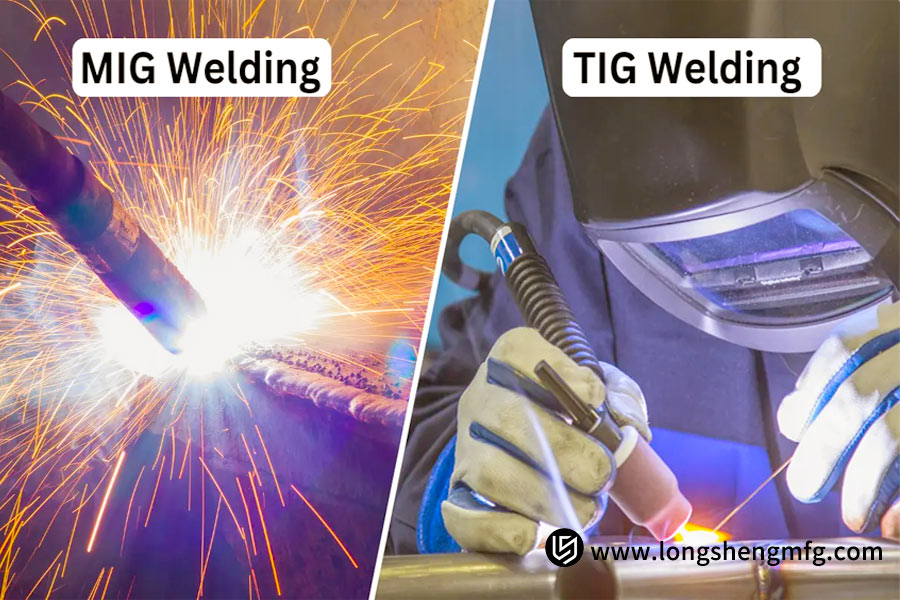
MIG welding produces intense heat and sparks, so wearing proper gear is essential. Always use a welding helmet with the correct shade lens to protect your eyes from harmful UV rays. Gloves and flame-resistant clothing shield your skin from burns caused by sparks and molten metal.
Ventilation is another key element. MIG welding releases fumes that can be harmful if inhaled. Setting up a fan or working in a well-ventilated area reduces your exposure to these toxic gases.
- Keep flammable materials away from your workspace.
- Inspect your welding gun regularly for damage to avoid electrical shocks.
- Check your gas connections to prevent leaks that might cause fires.
Have you ever underestimated the importance of ventilation during welding? Many do until they feel dizzy or experience headaches. Don’t let that happen to you.
Tig Safety Measures
TIG welding requires precise control, but safety should never take a back seat. The process uses a high-frequency arc that can cause severe eye damage, so wearing a high-quality helmet is non-negotiable. Additionally, TIG welding often takes longer, so comfort and proper protective gear are critical.
Since TIG welding doesn’t produce as many sparks, some might feel less cautious. However, the risk of electric shock is higher because the welder often touches the workpiece. Make sure your gloves are dry and intact to avoid accidents.
- Use non-flammable gloves and wear long sleeves to protect against UV radiation.
- Ensure your work area is free from clutter to prevent tripping hazards.
- Double-check grounding connections before starting to weld.
Do you pay enough attention to your gloves’ condition before TIG welding? A small tear can invite serious electric shocks. Taking a moment to inspect your gear can save you from painful mistakes.
Credit: www.longshengmfg.com
Advantages And Disadvantages
Understanding the advantages and disadvantages of MIG and TIG welding helps you choose the right method for your projects. Each technique offers unique strengths and comes with its own set of challenges. Let’s break down what you gain and what you might compromise with each process.
Pros And Cons Of Mig
MIG welding is popular because it’s fast and easy to learn. If you want to complete a job quickly, MIG can save you time without sacrificing too much quality.
- Pros:
- Faster welding speed, ideal for large projects.
- Good for welding thick materials and outdoors.
- Less skill required, making it beginner-friendly.
- Continuous wire feed reduces downtime.
- Cons:
- Produces more spatter, which means extra cleanup.
- Less precise, not ideal for thin or delicate metals.
- Shielding gas can be affected by wind, limiting outdoor use.
- Welds can be less aesthetically pleasing compared to TIG.
Think about your project scope—do you need speed or precision? MIG might tempt you with its quick results, but consider if the finish matters.
Benefits And Drawbacks Of Tig
TIG welding offers excellent control and produces clean, precise welds. It’s a go-to for projects where quality and appearance are crucial.
- Benefits:
- Produces high-quality, clean welds with minimal spatter.
- Works well on thin metals and complicated joints.
- Allows greater control over heat and filler material.
- Can weld a wider variety of metals, including aluminum and stainless steel.
- Drawbacks:
- Requires more skill and practice to master.
- Slower process, which can increase project time.
- Equipment tends to be more expensive and less portable.
- Not ideal for outdoor use due to shielding gas sensitivity.
If you want a flawless finish, are you ready to invest the time to learn TIG welding? Sometimes taking the extra effort upfront pays off in the long run.
Frequently Asked Questions
What Is The Main Difference Between Mig And Tig Welding?
MIG welding uses a continuous wire electrode and shielding gas. TIG welding uses a non-consumable tungsten electrode and separate filler material. MIG is faster, ideal for thick metals. TIG offers precise control, best for thin or delicate materials.
Which Welding Method Is Easier For Beginners?
MIG welding is easier for beginners due to its automatic wire feed. TIG welding requires more skill and coordination. MIG’s faster process and simpler setup make it ideal for those new to welding.
Which Welding Technique Produces Stronger Welds?
Both produce strong welds when done correctly. TIG welding creates cleaner, more precise welds, ideal for critical joints. MIG welding offers strength and speed but may have more spatter.
Can Mig And Tig Weld Different Metals?
Yes, both can weld various metals. MIG works well with steel, aluminum, and stainless steel. TIG is versatile and excels on thin metals and exotic alloys like titanium.
Conclusion
Mig and Tig welding each have clear strengths and uses. Mig welding works fast and suits thick metals. Tig welding offers more control and neat results. Choosing depends on your project’s needs and skill level. Both methods help create strong, lasting metal joints.
Understanding their differences makes your welding tasks easier. Try both to see which fits you best. Welding is a skill anyone can learn with practice. Keep experimenting and improving with each weld you make.
About The Author

