

Have you ever wondered how precise metalwork comes to life with clean, strong joints? If you’re curious about a welding method that gives you control, quality, and versatility, TIG welding might be exactly what you need to know.
Whether you’re a beginner looking to learn a new skill or someone wanting to improve your craft, understanding TIG welding can open up new possibilities for your projects. Keep reading, and you’ll discover what TIG welding is, how it works, and why it could be the perfect fit for your next metalwork adventure.

Credit: dycoventures.com
Tig Welding Basics
TIG welding is a precise and versatile welding technique that many professionals and hobbyists rely on. Understanding its basics is essential if you want to produce strong, clean welds. Let’s break down what TIG welding is and the key parts you need to get started.
Definition And Purpose
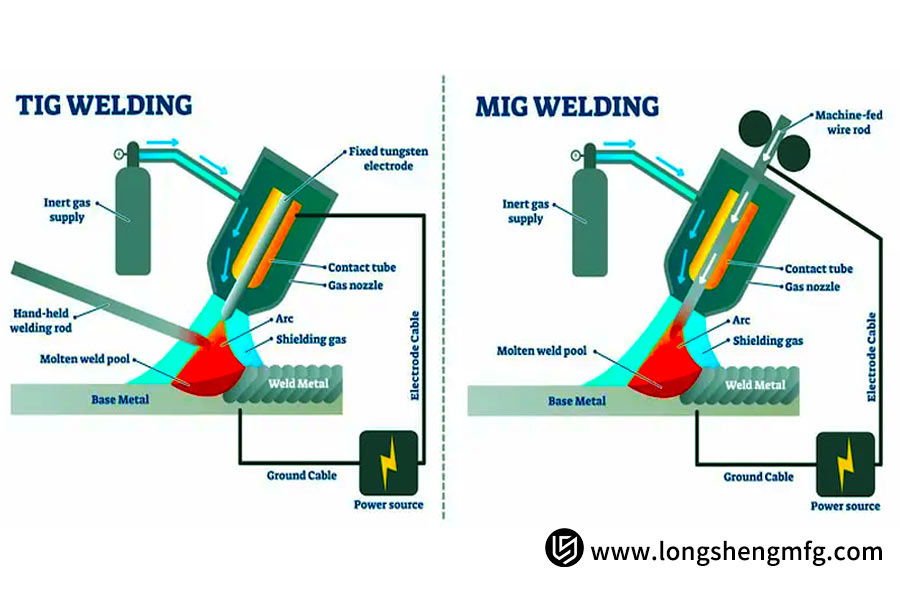
TIG welding, short for Tungsten Inert Gas welding, uses a non-consumable tungsten electrode to create the weld. You add filler material separately if needed, giving you greater control over the weld bead. This method is perfect when you want neat, high-quality welds on metals like stainless steel, aluminum, and copper.
Have you ever struggled with messy welds that weaken the joint? TIG welding helps avoid that by giving you precise heat control and a clean working environment. It’s especially useful for thin metals where other welding types might cause warping or burn-through.
Key Components
Getting to know the main parts of a TIG welding setup will make your work much easier. Here are the essentials:
- Tungsten Electrode:This is the heart of the process, producing the arc without melting itself.
- Shielding Gas:Usually argon, it protects the weld area from contamination by the air.
- Power Source:Provides the electric current necessary to maintain the arc.
- Filler Rod:Optional, but used to add material to the weld joint.
- Torch:Holds the tungsten electrode and directs the arc and gas.
Each component plays a critical role. If your shielding gas flow is off, your weld can get contaminated, leading to weak joints. Have you checked your gas setup lately?

Credit: www.adamsgas.co.uk
Equipment And Tools
TIG welding requires specific equipment and tools for precise and clean welds. Choosing the right tools ensures better control and quality. This section covers the main tools and safety gear essential for TIG welding.
Essential Tools
- TIG Welder:The main machine that provides the electric current for welding.
- Tungsten Electrode:Creates the arc to melt the metal without melting itself.
- Filler Rod:Adds material to the joint during welding for strength.
- Shielding Gas:Usually argon or helium, protects the weld from air contamination.
- Welding Torch:Holds the tungsten electrode and directs the arc and gas flow.
- Ground Clamp:Connects the welder to the workpiece to complete the circuit.
- Foot Pedal or Hand Control:Adjusts the welding current for better control.
- Workpiece Holder or Clamps:Keeps metal parts stable during welding.
Safety Gear
- Welding Helmet:Protects eyes and face from sparks and harmful light.
- Welding Gloves:Heat-resistant gloves protect hands from burns and cuts.
- Protective Clothing:Flame-resistant jackets or aprons shield the body.
- Safety Glasses:Worn under the helmet for extra eye protection.
- Respirator Mask:Filters out harmful fumes and gases produced during welding.
- Ear Protection:Guards against loud noise and sparks near the ears.
Types Of Metals
TIG welding works well with many types of metals, but knowing which metals are best suited for this method can help you get cleaner, stronger welds. The metal’s properties affect how you prepare, weld, and finish your project. Understanding the kinds of metals TIG welding can handle gives you confidence to tackle different tasks with the right settings and techniques.
Commonly Welded Metals
Steel, aluminum, and stainless steel are the most frequent choices for TIG welding. Steel offers great strength and is easy to work with, making it ideal for construction and automotive repairs.
Aluminum requires more skill due to its high thermal conductivity, but TIG welding creates neat, precise welds that look professional. Stainless steel welds resist rust and corrosion, perfect for kitchen appliances and medical tools.
- Steel:Versatile, strong, and common in many industries.
- Aluminum:Lightweight and corrosion-resistant, but needs careful heat control.
- Stainless Steel:Durable and rust-proof, great for decorative and sanitary uses.
Specialty Metals
TIG welding also works on specialty metals like titanium, copper, and magnesium. These metals often require more precise control and experience to avoid warping or weak joints.
For example, titanium is popular in aerospace and medical fields because of its strength and lightness. Copper and magnesium need careful heat management since they conduct heat quickly, which can make welding tricky.
- Titanium:Strong, lightweight, and corrosion-resistant but demands clean, precise welds.
- Copper:Excellent electrical conductivity; watch out for overheating.
- Magnesium:Very light but highly flammable at high temperatures, so weld with caution.
Have you ever tried welding a metal that seemed to behave unexpectedly? Understanding the characteristics of each metal can save you time and prevent costly mistakes. What metals are you planning to weld next?
Tig Welding Techniques
TIG welding techniques shape how well your welds hold up and look. Mastering these techniques boosts your control over the welding process and helps you create cleaner, stronger joints. Whether you are just starting or aiming to improve your skills, understanding both basic and advanced TIG welding methods can transform your work.
Basic Techniques
Start by focusing on your torch angle. Holding it at about 15 degrees from vertical gives you better control of the weld pool and heat distribution.
Maintain a steady hand and consistent travel speed. Moving too fast or too slow can cause weak or uneven welds.
Don’t forget to add filler rod smoothly. Feed it into the leading edge of the weld pool without interrupting the arc.
- Use a clean, properly sized tungsten electrode for better arc stability.
- Keep your work area free of contaminants like oil or rust to avoid weld defects.
- Practice a steady foot pedal control to adjust heat during welding.
Advanced Techniques
Once you’re comfortable with basics, try pulsed TIG welding. Pulsing the current helps control heat input and reduces warping on thin materials.
Manipulate the filler rod with weaving motions for wider weld beads and stronger joints on thicker metals.
Adjust your shielding gas flow and composition based on the material type. For instance, adding helium can increase heat and improve penetration on aluminum.
- Experiment with back-stepping to minimize distortion in long welds.
- Use alternating current (AC) settings effectively for aluminum and magnesium.
- Master multi-pass welding techniques to build up thick joints without overheating.
Have you noticed how small changes in your hand movements can drastically affect the weld quality? Pay attention to these details, and your TIG welding results will improve faster than you expect.
Advantages Of Tig Welding
TIG welding offers several clear advantages that make it a preferred choice for many metalworking projects. Whether you are tackling delicate stainless steel or thick aluminum, TIG welding gives you the ability to produce clean, strong welds. Its unique benefits can significantly improve both the quality and efficiency of your work.
Precision And Control
TIG welding allows you to control the heat and the filler material with great accuracy. This precision means you can work on thin or intricate pieces without damaging the metal. You have the power to make fine adjustments to the torch and filler rod, which is essential for detailed projects.
I once repaired a thin bicycle frame using TIG welding. The level of control helped me avoid warping the metal, which would have been impossible with other welding methods. How often do you find yourself needing that kind of exactness in your projects?
Versatility
TIG welding can join a wide range of metals, including steel, stainless steel, aluminum, copper, and even exotic alloys. This flexibility means you don’t need multiple welding machines for different materials. You can switch between projects without worrying about compatibility issues.
It also works well for both thin and thick materials. This versatility makes TIG welding useful for everything from delicate art pieces to heavy industrial components. Have you ever faced a welding job that required you to use multiple techniques? TIG welding might simplify that challenge.
Challenges In Tig Welding
TIG welding is a precise and clean welding method. It requires skill and focus to do well. Many welders face challenges that can affect the quality of the weld. These challenges come from equipment, technique, and material handling. Understanding these common difficulties helps improve welding results.
Common Difficulties
- Maintaining a steady hand to control the torch and filler rod.
- Properly adjusting the welding current for different metals and thicknesses.
- Ensuring the tungsten electrode does not contaminate the weld.
- Managing heat input to avoid warping or burning through thin materials.
- Keeping the shielding gas flow steady to protect the weld pool from contamination.
- Working in awkward positions that make torch control harder.
- Difficulty in starting and stopping the arc smoothly.
Solutions And Tips
- Practice holding the torch steady and use both hands if needed.
- Set the right amperage by testing on scrap metal before welding the final piece.
- Keep the tungsten clean and sharpened to a proper point.
- Use cooling techniques or backstep welding to control heat buildup.
- Check gas flow with a flow meter and avoid drafts around the welding area.
- Use clamps or fixtures to hold workpieces securely in place.
- Start the arc gently and release the pedal slowly for smooth starts and stops.
Applications Of Tig Welding
TIG welding stands out because of its precision and control, making it a popular choice across different fields. Its applications range from heavy industry to delicate artistic projects. Understanding where TIG welding fits can help you decide if it’s the right technique for your next project.
Industrial Uses
TIG welding is widely used in industries that demand strong, clean, and precise welds. Aerospace companies rely on it to join thin aluminum and stainless steel parts. The automotive sector also uses TIG welding to build exhaust systems and custom frames where durability and appearance matter.
Food and pharmaceutical industries need contamination-free welds, and TIG welding delivers that by producing smooth, clean joints. If you’ve ever noticed the shiny, flawless surface on stainless steel kitchen equipment, there’s a good chance TIG welding was involved. Have you ever considered how much strength and cleanliness your industrial tools require?
Artistic And Creative Uses
TIG welding isn’t just for tough industrial jobs; it’s a favorite among artists and sculptors. The control it offers lets creators join thin metals without warping or discoloration. Many metal artists use TIG welding to build intricate sculptures or custom furniture that need both strength and fine detail.
Jewelry makers appreciate TIG welding for its ability to fuse small, delicate pieces of silver or gold without damaging them. If you want to turn your metal art ideas into reality with clean, precise joins, TIG welding is worth learning about. What kind of creative projects could you imagine completing with this skill?
Credit: www.longshengmfg.com
Future Of Tig Welding
The future of TIG welding holds exciting possibilities that could change how you approach metalwork. As technology improves and industry needs shift, TIG welding is evolving to become more precise, efficient, and accessible. Understanding these changes can help you stay ahead and make smarter choices for your projects.
Technological Advancements
New machines are making TIG welding easier to control, even for beginners. Digital interfaces now let you adjust settings with precision, reducing the chance of errors.
Innovations like inverter power sources and pulse welding offer better energy efficiency and cleaner welds. Imagine welding delicate materials without burning through them—that’s becoming more common thanks to these advances.
Have you tried using AI-powered monitoring systems? They can track your weld quality in real time and suggest adjustments, helping you improve faster.
Industry Trends
More industries are demanding lightweight, strong, and corrosion-resistant welds. This trend pushes TIG welding into sectors like aerospace, automotive, and medical devices.
Companies now prefer eco-friendly processes. TIG welding fits well here because it produces less smoke and waste compared to other methods.
Are you ready to meet the rising need for skilled TIG welders? Continuous learning and adapting to new tools will give you an edge in the job market.
Frequently Asked Questions
What Is Tig Welding Used For?
TIG welding is ideal for precision welding on thin metals like aluminum and stainless steel. It provides clean, high-quality welds.
How Does Tig Welding Work?
TIG welding uses a non-consumable tungsten electrode to create an arc. Filler metal is added manually for strong welds.
What Materials Can Tig Welding Join?
TIG welding works on steel, aluminum, copper, magnesium, and other metals. It suits projects requiring detailed, precise welds.
Is Tig Welding Better Than Mig Welding?
TIG offers more control and cleaner welds, perfect for delicate work. MIG is faster but less precise, ideal for thicker metals.
Conclusion
TIG welding offers precise and clean welds on many metals. It suits thin materials and detailed work well. The process uses a non-consumable tungsten electrode for steady heat. Welders control the arc and filler separately for accuracy. This method needs skill but creates strong, lasting joints.
Many industries trust TIG welding for quality results. Understanding its basics helps you appreciate its value. Try practicing small projects to build confidence. TIG welding is a useful skill for metalwork tasks.
About The Author

