
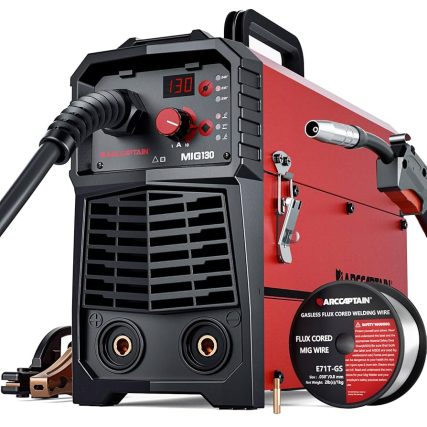
Imagine having the power to tackle a variety of welding projects with ease and precision right in your own workshop. A wire feed flux core welder could be your ticket to transforming your DIY dreams into reality.
Whether you’re a seasoned welder or a beginner eager to dive into the world of metalworking, this versatile tool offers simplicity and efficiency like no other. You’ll discover how this welder can handle everything from quick repairs to intricate metal crafts, all while saving you time and money.
Ready to unlock the secrets of seamless welding and boost your skills? Keep reading to find out how a wire feed flux core welder can become your trusted companion in crafting masterpieces.
What Is A Wire Feed Flux Core Welder
Wire Feed Flux Core Welder uses a special wire that contains flux to join metals. It’s ideal for welding outdoors or in windy conditions. This welder simplifies the process by eliminating the need for shielding gas.
Understanding the nuances of different welding techniques can be a game-changer for both beginners and seasoned professionals. One such technique that has gained popularity is the wire feed flux core welding. This method offers a unique blend of convenience and efficiency, making it a favorite among many. But what exactly is a wire feed flux core welder, and how does it work?What Is A Wire Feed Flux Core Welder?
A wire feed flux core welder is a type of welding machine that uses a special tubular wire filled with flux to join metals. Unlike traditional welding methods that require a separate shielding gas, the flux core wire creates its own gas when heated, protecting the weld from contamination. This makes it ideal for outdoor work, where wind might disrupt other welding processes.How Does It Work?
The welder feeds the flux core wire through a gun, which then melts the wire and fuses it with the base metal. As the wire melts, the flux core releases gases that shield the weld from impurities in the air. The process is relatively straightforward, and with some practice, you can achieve strong, clean welds.Advantages Of Using A Wire Feed Flux Core Welder
One major advantage is its portability. Without the need for external gas tanks, you can easily transport the welder to different job sites. It’s also versatile, capable of welding thicker materials that might challenge other welding techniques. Additionally, its simplicity makes it accessible for beginners.Is It Right For You?
Consider your specific needs. Are you often working outdoors or in environments where controlling shielding gas is difficult? Do you need a machine that can handle thicker materials? If so, a wire feed flux core welder might be your best bet. However, if you’re working on delicate projects requiring precise control, you may need to weigh your options carefully.Personal Experience With Wire Feed Flux Core Welding
Having tried different welding techniques, I found the wire feed flux core welder to be both user-friendly and robust. It was a game-changer during a project in my backyard, where wind was a constant challenge. The ease of setup and the clean welds it produced convinced me of its worth. Have you tried a wire feed flux core welder yet? What was your experience like? Understanding the ins and outs of a wire feed flux core welder can open up new possibilities for your projects. Whether you’re a DIY enthusiast or a professional, this tool might just be the key to achieving those perfect welds.
Credit: www.amazon.com
Benefits Of Using Flux Core Welding
Flux core welding offers many advantages for both amateurs and professionals. This method is popular for its ease of use and effectiveness in diverse conditions. It utilizes a wire with a flux-filled core that provides protection from contaminants and enhances weld quality. Let’s explore some key benefits.
Versatility In Applications
Flux core welding suits various materials and thicknesses. It is ideal for welding steel, stainless steel, and even some alloys. This versatility makes it a preferred choice for many projects. From construction sites to home repairs, flux core welding meets diverse needs. You can tackle large structural projects or small artistic creations. This flexibility ensures you can handle different tasks without switching methods.
Ideal For Outdoor Welding
Outdoor environments pose unique challenges like wind and weather conditions. Flux core welding excels in such situations. Its flux-filled wire shields the weld from external factors, ensuring a strong bond. You can work outside without worrying about weld quality. This makes it perfect for outdoor projects like fences or machinery repairs. No need for a controlled environment.
Cost-effectiveness
Flux core welding offers significant savings. It requires fewer tools and accessories compared to other methods. The absence of external gas reduces overall expenses. You can achieve professional results without high costs. Its efficiency and simplicity save time and money. For budget-conscious welders, this method is a smart choice. You get quality without breaking the bank.
Essential Components And Features
Understanding the essential components and features of a wire feed flux core welder is crucial. These elements determine its performance and suitability for various tasks. Let’s delve into the key components that make this tool effective and versatile.
Wire Feeder Mechanism
The wire feeder mechanism is the heart of the welder. It controls the speed and consistency of the wire feed. A reliable feeder ensures smooth and continuous welding. Look for adjustable speed settings. This feature allows you to match the feed rate with your welding needs. Quality feeders reduce wire jams and improve welding precision.
Power Supply Options
Power supply options affect the welder’s flexibility and application. Welders typically operate on 110V or 220V. Some units offer dual voltage for added convenience. Choose a power supply that matches your available electrical outlets. This ensures efficient and safe operation. Also, consider the welder’s amperage range. It determines the thickness of materials you can weld.
Flux Core Wire Specifications
Flux core wire specifications play a critical role in welding quality. The wire contains flux, which shields the weld from contaminants. Choose the right wire diameter for your project. Common sizes include 0.030 and 0.035 inches. Thicker wires suit heavier materials. Pay attention to the wire’s tensile strength and compatibility with metals. Proper selection enhances weld strength and appearance.
Selecting The Right Welder
Choosing the right wire feed flux core welder is crucial for success. Different projects require different welders. Understanding your needs helps in making the right choice. Whether for home use or professional settings, the right welder makes a difference.
Considerations For Home Use
Home projects often need compact and easy-to-use welders. Look for welders with simple controls and lightweight designs. Small-scale welders are perfect for DIY tasks and repairs. Ensure it has safety features for home use. Energy efficiency is also important to reduce costs.
Professional-grade Options
Professionals need welders with advanced features. High-quality welders offer consistent performance for demanding jobs. Look for durable models with high power output. Professional welders often have adjustable settings. This allows for precise control and flexibility.
Evaluating Brand And Model
Research different brands for reliability and reviews. Some brands offer better warranties and support. Compare models for features and benefits. Pay attention to customer feedback on performance. It’s crucial to select a model that suits your specific needs.
Safety Precautions
Wire Feed Flux Core Welders are powerful tools in metal fabrication. Safety is crucial while using them. Proper precautions protect you from accidents and injuries. Familiarize yourself with essential safety measures.
Protective Gear
Welding produces intense heat and bright light. Wear a welding helmet with a dark lens. It shields your eyes from harmful rays. Use flame-resistant gloves to protect your hands from sparks. A long-sleeve shirt and pants offer additional protection. Steel-toed boots guard your feet from heavy objects.
Safe Handling Practices
Avoid touching hot surfaces immediately after welding. Always check your equipment before use. Ensure all connections are tight and cables are undamaged. Keep your hands away from moving parts. Turn off the welder when not in use. Store it in a safe place, away from flammable materials.
Ventilation And Workspace Setup
Welding emits fumes that can be hazardous. Ensure your workspace has proper ventilation. Use exhaust fans to remove fumes from the area. Open windows and doors if possible. Keep the workspace organized and free of clutter. Ensure there’s adequate lighting to see clearly.
Tips For Mastering Flux Core Welding
Mastering flux core welding can transform your DIY projects and professional endeavors into showcases of precision and strength. Whether you’re a seasoned welder or a beginner, refining your technique is key to achieving clean and consistent welds. As you dive into the world of flux core welding, consider these practical tips to enhance your skills and ensure your projects are as strong and reliable as possible.
Adjusting Settings For Different Metals
Every metal has its unique characteristics, and adjusting your welder settings accordingly can make all the difference. For instance, thicker metals require higher voltage and wire speed to ensure proper penetration. Conversely, thinner materials need lower settings to avoid burn-through. Don’t hesitate to experiment with your settings on scrap pieces of metal first to find the perfect balance for your project.
Consider creating a settings log for different types of metals you commonly work with. This will save time and reduce errors in future projects. Pay attention to your welder’s manual, which often provides valuable starting points for different materials.
Techniques For Smooth Welds
A steady hand and consistent speed are crucial for achieving smooth welds. Focus on maintaining a uniform pace while moving your welding gun along the seam. If you find yourself rushing or slowing down, take a moment to recalibrate. It’s all about practice and patience.
Try different patterns like the weave or circular motion to see which suits your style best. These techniques can help distribute heat evenly and result in cleaner welds. Remember, the key is consistency. A few minutes of practice before starting your project can greatly improve your results.
Troubleshooting Common Issues
Even with the best techniques, issues can arise. Spatter, porosity, and incomplete fusion are common challenges in flux core welding. If you’re facing excessive spatter, check your wire feed speed and adjust accordingly. Too fast can cause this issue, while too slow can lead to poor penetration.
Porosity often indicates a problem with shielding gas coverage or contamination. Ensure your workspace is clean and free from drafts that might disrupt gas flow. Incomplete fusion might require adjusting your travel speed or increasing voltage. If you encounter issues, approach them methodically—alter one variable at a time to pinpoint the problem.
How do you handle welding challenges? Share your experiences and solutions in the comments below. Welding is a journey of continuous learning, and your insights might just be the key someone else needs!
Maintenance And Care
Regularly clean the wire feed flux core welder to ensure optimal performance. Inspect the wire feed mechanism for any blockages. Proper maintenance extends the welder’s lifespan and ensures safety during use.
Maintaining and caring for your Wire Feed Flux Core Welder ensures its longevity and optimal performance. Regular attention to this equipment minimizes breakdowns and extends its lifespan. Proper maintenance also enhances safety during welding tasks. Below are essential practices to keep your welder in top condition.Routine Cleaning
Regular cleaning prevents dust and debris build-up. Wipe down the exterior with a soft cloth. Clean the wire feed mechanism to ensure smooth operation. Use compressed air to clear internal components. Ensure vents are free from blockages for proper cooling.Inspecting For Wear And Tear
Regular inspections help catch potential issues early. Check the welding cables for cracks or damage. Examine the wire spool and feed rollers for signs of wear. Inspect the gun liner and contact tips for deformation. Replace worn parts promptly to avoid malfunctions.Proper Storage
Store the welder in a dry, clean area. Protect it from dust and moisture. Cover the machine with a protective sheet. Ensure cables are neatly coiled to prevent tangling. Keep the wire spool in a sealed container to maintain its quality.
Credit: www.amazon.com
Applications In Various Industries
Wire feed flux core welders offer versatile applications across various industries. Their ability to handle different materials makes them a preferred choice. From automotive to construction, they provide solutions to many welding needs.
Automotive Repairs
In the automotive industry, flux core welders are essential. They repair and build car frames. They also work on exhaust systems and other metal components. Their precision helps maintain vehicle safety and performance.
Construction Projects
Construction sites rely on flux core welders for structural work. They weld beams and reinforce steel structures. Their capability to weld thick materials is crucial. This ensures the stability and strength of the buildings.
Manufacturing And Fabrication
Manufacturing plants use these welders for creating metal products. They fabricate parts and assemble machinery. Their efficiency increases production speed. This supports the demand for high-quality metal goods.

Credit: www.ebay.com
Frequently Asked Questions
What Is A Flux Core Wire Feed Welder?
A flux core wire feed welder uses a tubular wire filled with flux to weld metals. It eliminates the need for shielding gas, making it ideal for outdoor or windy conditions. This welder is often used for projects requiring quick and strong welds on thicker materials.
Is Flux Core As Strong As Mig?
Flux core welding can be as strong as MIG welding. It depends on the application and materials used. Flux core offers better penetration and works well outdoors. MIG provides cleaner welds, ideal for indoor projects. Both methods have strengths, so choosing depends on project requirements.
Should I Use .030 Or .035 Flux Core Wire?
Choose. 030 flux core wire for thin metals; it provides smoother welds. Use. 035 wire for thicker metals, offering better penetration. Match wire size with your project needs and welder specifications for optimal results.
Is Flux Core Wire Fed?
Yes, flux core wire is fed through a welding gun. It is commonly used in MIG welders. This wire contains flux inside, providing shielding without external gas. It’s ideal for outdoor welding and works well on dirty or rusty surfaces.
Conclusion
A wire feed flux core welder offers versatility and efficiency. It’s ideal for beginners and experienced welders alike. This tool works well in outdoor settings. It handles dirty or rusty metals effectively. No gas cylinders needed, so it’s easy to transport.
Maintenance is straightforward, saving time and effort. Choosing the right welder depends on your specific needs. Consider factors like power, portability, and budget. Investing in a quality welder ensures reliable results. Practice and patience will enhance your skills. Enjoy the satisfaction of creating strong, durable welds.
Happy welding!
About The Author

