
If you want your wire welding projects to look strong and professional, you need more than just basic skills. You want to avoid common mistakes, save time, and get clean, lasting welds every time.
This article is packed with easy-to-follow tips and tricks that will help you improve your technique quickly. Whether you’re just starting out or looking to sharpen your skills, these insights will boost your confidence and results. Ready to take your wire welding to the next level?
Keep reading to discover the secrets that pros don’t always share.
Choosing The Right Wire
Choosing the right wire is a crucial step in wire welding that can make or break your project. The wire you select affects the weld quality, strength, and appearance. Understanding the options available helps you avoid common mistakes and ensures your welds hold up under stress.
Types Of Welding Wire
There are several types of welding wire, each designed for specific welding processes and materials. The most common types include:
- SMAW (Stick) Wire:Used mainly for manual welding; it comes as rods rather than spools.
- MIG Wire:Typically solid or flux-cored, used with gas shielding for cleaner welds.
- Flux-Cored Wire:Has a flux core that protects the weld from contamination, ideal for outdoor or rusty metal.
Choosing the right type depends on your welding technique and the environment. Have you considered whether you’ll be welding indoors or outdoors? This can influence your choice significantly.
Wire Diameter And Its Impact
The diameter of the wire affects how the wire feeds and how much heat is generated during welding. Thicker wires deliver more filler material but require higher amperage, which can be harder to control.
Smaller diameters are better for thin metals or detailed work because they provide more precision and less heat input. For example, a 0.023-inch wire is great for automotive sheet metal, while a 0.035-inch wire suits structural steel.
Think about the thickness of your base metal. Matching wire diameter to the metal thickness can improve weld penetration and reduce defects. What’s your project’s metal thickness?
Material Compatibility
Matching the welding wire’s material to your base metal is essential for a strong bond. Using a wire that doesn’t match can cause weak welds or even damage the metal.
For steel welding, carbon steel wire is standard. If you’re working with stainless steel, you’ll need stainless steel wire to avoid corrosion and maintain strength.
Aluminum requires a special aluminum welding wire because of its unique properties. Have you checked your base metal type before buying wire? This step saves time and money by preventing weld failures.
Preparing For Welding
Preparing for wire welding sets the foundation for a strong, clean weld. Skipping or rushing through these steps can lead to weak joints or costly mistakes. Paying attention to the details before you strike the arc saves time and materials later.
Cleaning The Metal Surface
Make sure the metal is free from rust, paint, oil, and dirt. Use a wire brush or grinder to clean the surface thoroughly. Even small contaminants can cause porosity or weak welds, so don’t overlook this step.
Have you ever experienced a weld that looked fine but cracked later? Often, it’s because the surface wasn’t clean enough. Taking a few extra minutes to prepare the metal can prevent headaches down the road.
Setting Up The Welding Machine
Match your machine settings to the wire type and thickness of the metal. Check the wire feed speed, voltage, and gas flow rate for MIG welding. Adjust these settings to avoid burn-through or lack of fusion.
Keep your welding gun and wire spool in good condition. Tangled wire or a dirty nozzle can disrupt the welding process. Test your setup on scrap metal first to make sure everything runs smoothly.
Safety Gear Essentials
Your safety gear is not optional—it’s your first line of defense. Always wear a welding helmet with the correct shade to protect your eyes from sparks and UV rays. Use flame-resistant gloves and clothing to shield your skin.
Don’t forget ear protection and proper ventilation, especially in enclosed spaces. Have you checked your gear recently for wear or damage? Replacing old equipment can make a big difference in comfort and safety during long welding sessions.
Mastering Welding Techniques
Mastering welding techniques is key to producing strong, clean welds. Proper control over each part of the welding process improves results. Small adjustments can make a big difference in quality and efficiency.
Understanding wire welding basics helps avoid common mistakes. Consistent practice builds confidence and skill. Focus on these core elements to weld better every time.
Correct Wire Feed Speed
Wire feed speed controls the amount of filler metal added to the weld. Too fast causes splatter and poor penetration. Too slow leads to weak, uneven welds. Adjust the speed based on the material thickness and welding position.
- Start with manufacturer recommendations for your wire type.
- Fine-tune the speed by testing on scrap metal.
- Watch the weld pool size and adjust accordingly.
Optimal Welding Angle
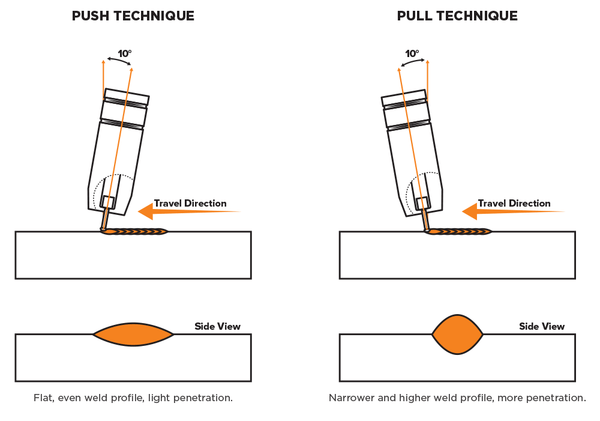
The welding angle affects the bead shape and penetration depth. Hold the gun or torch between 10 and 15 degrees from vertical. This angle directs heat properly and helps the wire feed smoothly. Adjust the angle slightly for out-of-position welds.
- Maintain steady hand movement for a uniform bead.
- Keep the angle consistent throughout the weld.
- Change angle based on joint type and position.
Maintaining Proper Arc Length
Arc length is the distance between the wire tip and the workpiece. A short arc length creates better control and less spatter. A long arc length causes instability and weak welds. Keep the arc length close to the wire diameter.
- Check your arc length visually during welding.
- Adjust your hand position to maintain a steady arc.
- Practice to develop a feel for the correct distance.

Credit: www.youtube.com
Common Welding Challenges
Welding wire can be a game-changer in your projects, but it comes with its own set of challenges. Tackling these common issues head-on will save you time, reduce frustration, and improve the quality of your welds. Understanding what causes these problems is the first step to mastering your craft.
Avoiding Porosity
Porosity appears as tiny holes in your weld, weakening the joint. It often happens due to trapped gases like moisture, rust, or dirt on the metal surface. Make sure your workpiece is clean and dry before welding to keep porosity at bay.
Shielding gas flow also plays a crucial role. Too little gas allows air to contaminate the weld pool, while too much gas can create turbulence. Adjust your gas flow according to your environment and welding conditions for the best results.
Preventing Spatter
Spatter can turn a neat weld into a messy one and increase cleanup time. It usually occurs when welding parameters like voltage or wire feed speed are not set correctly. Try lowering voltage or fine-tuning the wire feed speed to reduce spatter immediately.
Using anti-spatter spray on your work area helps too, but don’t rely on it entirely. Pay close attention to your technique and settings first, then use sprays as a backup.
Dealing With Burn-through
Burn-through happens when the metal melts too much, creating holes in your weld. Thin metals are especially vulnerable, so controlling heat input is key. Lower your welding current and move the torch faster to avoid overheating the material.
Backing plates or heat sinks can help protect thin sheets by absorbing excess heat. Have you ever noticed how a small change in speed or current can completely change the weld quality? Experiment with these adjustments to find the perfect balance.
Advanced Tips For Quality Joints
Achieving quality joints in wire welding requires precise techniques and careful control. Advanced tips help welders improve strength and durability. These tips focus on proper heat management and layering methods. Using these techniques leads to cleaner, stronger welds with fewer defects.
Using Backstepping Technique
Backstepping reduces distortion in long welds. It involves welding short sections in reverse order. This technique balances heat and stress across the joint. Welders move backward after each weld bead, allowing the metal to cool evenly. It helps avoid warping and cracks.
Controlling Heat Input
Heat control is key for strong welds. Too much heat weakens the metal and causes burn-through. Too little heat results in poor fusion and weak joints. Adjust wire speed and voltage to maintain consistent heat. Use proper travel speed to avoid overheating.
Layering For Stronger Welds
Layering adds strength to thick joints. Apply multiple weld passes in layers rather than one thick pass. Each layer should cool slightly before the next. This prevents overheating and reduces internal stresses. Layering also improves penetration and fusion.
Credit: yeswelder.com
Post-welding Practices
Post-welding practices are key to ensuring strong and clean welds. These steps improve the appearance and durability of your work. Proper care after welding prevents problems like rust and cracks. Follow simple routines to keep your welds in top shape.
Cleaning Weld Beads
Remove slag and spatter from the weld beads. Use a wire brush or grinder for best results. Cleaning reveals the true quality of your weld. It also prevents corrosion and improves paint adhesion. Always clean the weld area before any further work.
Inspecting For Defects
Check welds for cracks, porosity, or incomplete fusion. Use visual inspection or simple tools like a magnifier. Look closely for any irregularities or weak spots. Early detection helps avoid future failures. Mark any defects and plan for repairs if needed.
Finishing And Polishing
Smooth the weld surface with sanding or grinding. Polishing enhances the look and reduces sharp edges. Choose the right abrasive for the metal type. A clean finish prevents dirt buildup and rust. Finish with a protective coating or paint for extra durability.

Credit: www.youtube.com
Frequently Asked Questions
What Are The Essential Wire Welding Tips For Beginners?
Start with clean metal surfaces and use the correct wire type. Adjust the wire feed speed and voltage for smooth welds. Practice steady hand movement and maintain the right distance from the workpiece for consistent results.
How To Prevent Wire Welding Defects Effectively?
Avoid contamination by cleaning metals before welding. Use proper shielding gas to protect welds from oxidation. Maintain correct welding parameters and ensure consistent wire feed speed. These steps help minimize defects like porosity and spatter.
Which Wire Type Is Best For Different Welding Projects?
MIG welding typically uses ER70S-6 wire for mild steel. Stainless steel requires specialized wires like ER308L. Choose wire based on metal type, thickness, and welding position for optimal performance.
How To Optimize Wire Feed Speed In Welding?
Set wire feed speed according to metal thickness and welding current. Too fast causes excessive spatter; too slow leads to poor penetration. Adjust incrementally and test on scrap metal to find the ideal speed.
Conclusion
Mastering wire welding requires practice and patience. These tips make the process smoother. Focus on safety and maintain your equipment regularly. Always adjust your settings for different materials. Consistent practice will improve your skills over time. Don’t rush through the learning phase.
Mistakes happen, and they teach valuable lessons. Stay curious, keep learning, and enjoy the process. Happy welding!
About The Author

