
Are you trying to figure out which welding method suits your project best? Understanding the difference between MIG welding and TIG welding can save you time, money, and frustration.
Whether you’re a beginner or looking to sharpen your skills, knowing how these two popular techniques work will help you make smarter choices. Keep reading to discover the key differences that can change the way you approach your next weld.
Your perfect weld starts here.
Basics Of Mig Welding
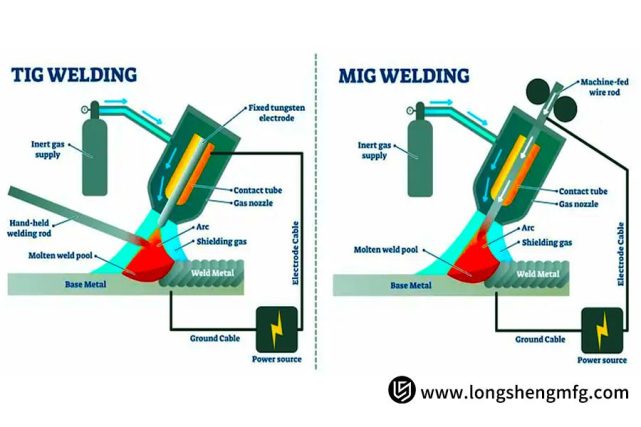
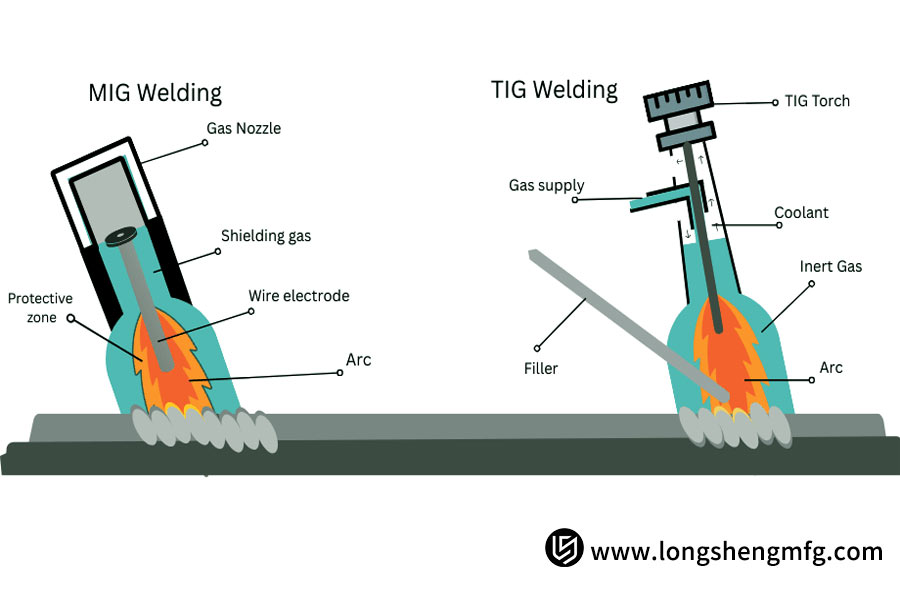
MIG welding is a popular welding process known for its speed and ease of use. It uses a continuous wire electrode fed through a welding gun. This wire melts and joins metals together. The process also uses a shielding gas to protect the weld from contamination. MIG welding works well for beginners and professionals alike.
The equipment is simple, making it great for many welding tasks. It produces clean welds with minimal spatter. This welding type is common in industries and home projects.
How Mig Welding Works
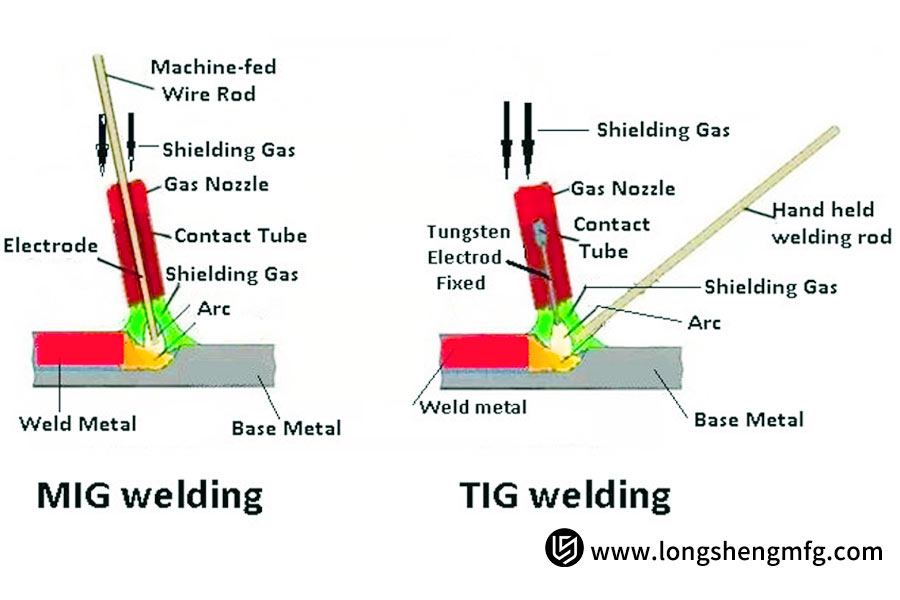
MIG welding uses a wire electrode that feeds continuously from a spool. The welder holds a gun that directs the wire to the joint. An electric arc forms between the wire and the metal. This arc melts the wire and base metal. A shielding gas flows through the gun to protect the weld. It stops oxygen and dirt from spoiling the weld.
Common Materials Used
- Steel (mild and stainless)
- Aluminum
- Copper
- Nickel alloys
MIG welding works best with metals that conduct electricity well. It handles thin to medium-thickness metals with ease. The choice of wire and gas depends on the metal type.
Typical Applications
- Automotive repair and manufacturing
- Construction steel frameworks
- Fabrication of metal furniture
- Home DIY welding projects
MIG welding is favored for its speed and clean welds. It joins metal parts quickly and effectively. This makes it ideal for production and repair tasks.
Credit: www.longshengmfg.com
Basics Of Tig Welding
TIG welding is a precise and clean welding technique. It uses a non-consumable tungsten electrode to create the weld. The process produces strong, high-quality joints with minimal spatter and distortion. It requires more skill than MIG welding but offers greater control.
How Tig Welding Works
TIG welding uses an electric arc to melt metals. The tungsten electrode does not melt. Instead, it creates heat to fuse the base metals. A shielding gas, usually argon, protects the weld from contamination. Filler metal can be added manually if needed. Welders control heat and speed with a foot pedal for accuracy.
Common Materials Used
- Aluminum
- Stainless steel
- Carbon steel
- Copper
- Magnesium
- Brass
TIG welding works well on thin and delicate metals. It is ideal for metals that need clean, precise welds.
Typical Applications
- Aerospace components
- Automotive parts
- Bicycle frames
- Art and sculpture
- Food and beverage equipment
- Pipe welding
TIG welding suits jobs requiring strong, neat welds. It is common in industries where quality is key.
Equipment And Tools
Understanding the equipment and tools is key to grasping the differences between MIG and TIG welding. Each welding style uses distinct tools designed for specific tasks. These tools affect the welding process, quality, and ease of use.
Both MIG and TIG welding require machines to supply power, but the accessories and consumables vary greatly. Knowing the right tools helps in choosing the best welding method for a project.
Mig Welding Tools
- MIG welding machine with wire feed system
- Spool of consumable wire electrode
- Contact tip to direct the wire
- Gas nozzle for shielding gas
- Ground clamp to complete the circuit
- Welding gun with trigger control
- Wire feeder motor for smooth wire supply
Tig Welding Tools
- TIG welding machine with high-frequency start
- Non-consumable tungsten electrode
- Collet and collet body to hold the electrode
- Gas lens for better gas coverage
- Foot pedal or hand control for amperage
- Filler rods used manually during welding
- Argon gas supply for shielding
Safety Gear Requirements
- Welding helmet with proper shade lens
- Flame-resistant gloves and clothing
- Protective eyewear under helmet
- Respirator or mask for fumes
- Ear protection to reduce noise exposure
- Steel-toed boots for foot safety
- Welding apron or jacket for extra protection
Skill Levels Required
Understanding the skill levels required for MIG and TIG welding helps in choosing the right technique. Each method demands different abilities and practice time. Knowing these differences can guide beginners and professionals alike.
Learning Curve For Mig Welding
MIG welding has a shorter learning curve. It uses a wire feed system that makes welding easier. The process is faster and more forgiving of mistakes. Welders can produce strong joints with less training. This method suits basic welding jobs well.
Learning Curve For Tig Welding
TIG welding requires more skill and patience. It involves manually feeding the filler rod while controlling the torch. Precise hand-eye coordination is essential. The process is slower and needs steady hands. Welders spend more time practicing to get good results.
Suitability For Beginners
- MIG welding is ideal for beginners due to its simplicity.
- It allows faster learning and quicker project completion.
- TIG welding suits those ready for a challenge and detailed work.
- Beginners may find TIG welding difficult at first.
Precision And Control
Precision and control are key factors that influence the quality and outcome of your welding projects. Understanding how MIG and TIG welding compare in these areas can help you choose the right method for your specific needs. Let’s break down how each technique performs when it comes to accuracy and managing the welding process.
Mig Welding Precision
MIG welding offers good precision, especially for beginners. The continuous wire feed allows you to work quickly and cover larger areas with ease.
However, the control over the weld pool is somewhat limited compared to TIG. This can lead to less detailed work and more spatter, which might require extra cleanup.
If your project demands speed but not ultra-fine detail, MIG welding can be a solid choice.
Tig Welding Precision
TIG welding excels in precision and control. You manually feed the filler rod, giving you the ability to adjust bead size and shape on the fly.
This method allows you to make very fine, clean welds with minimal spatter. It’s ideal for delicate or thin materials where precision is critical.
Think about working on a thin aluminum frame or stainless steel art piece—TIG’s precision can make all the difference in the final look and strength.
Impact On Final Product
The level of precision directly affects the appearance and durability of your welds. MIG welding produces strong joints quickly but may show rougher finishes.
TIG welding creates cleaner, more aesthetically pleasing welds with superior strength in thin materials.
Ask yourself: Does your project require speed and strength or fine detail and finish? Your answer will guide your choice between MIG and TIG welding.
Speed And Efficiency
Speed and efficiency are critical factors when choosing between MIG and TIG welding for your project. Both methods have their strengths, but understanding how they perform under different conditions can help you save time and resources. Let’s break down how each welding type handles speed and efficiency to match your specific needs.
Speed Of Mig Welding
MIG welding is known for its fast operation. It uses a continuously fed wire, which means you don’t have to stop and change electrodes frequently. This makes it ideal for projects requiring quick completion, especially on thick metals or large surfaces.
Because it’s semi-automatic, you can maintain a steady pace without losing momentum. If you’ve ever worked on car body repairs or structural steel, you’ll notice how MIG welding lets you cover more ground in less time.
Speed Of Tig Welding
TIG welding is slower due to its precise nature. It requires manual feeding of the filler rod and careful control of the torch. This means you’ll spend more time on each weld, but the result is a cleaner, more detailed finish.
This slower speed suits projects where accuracy matters more than speed—like welding thin metals or delicate components. Have you tried TIG welding on aluminum? The slower pace gives you better control to avoid burn-through and warping.
Efficiency In Different Scenarios
Efficiency depends on what you value more: speed or precision. MIG welding saves time on large, less detailed jobs, making it efficient for production work or quick repairs. It’s also easier to learn, which cuts down on training time.
On the other hand, TIG welding shines when quality is non-negotiable. It’s efficient for tasks where weld strength and appearance are critical, even if it takes longer. Think aerospace parts or custom metal art where every weld counts.
- If your project demands speed and volume, MIG welding often wins.
- If you need clean, precise welds with minimal cleanup, TIG welding is more efficient despite the slower pace.
Which aspect matters more to you: getting the job done fast or getting it done perfectly? Your answer will guide your choice between these two welding methods.
Cost Considerations
Understanding the cost differences between MIG and TIG welding can help you decide which method fits your budget and project needs better. Each welding style carries its own financial demands—from the gear you must buy upfront to the expenses that add up over time. Let’s break down these costs so you can make a clear choice without surprises.
Initial Setup Costs
Setting up for MIG welding usually requires less investment. The equipment tends to be simpler and more affordable, making it a good option if you’re just starting or working with a tight budget.
On the other hand, TIG welding gear often comes with a higher price tag. The machines are more complex and the accessories, like high-quality tungsten electrodes, add to the initial cost. This might seem steep, but consider what you’re getting in return.
Operating Costs
MIG welding uses a continuous wire feed, which means you’ll go through welding wire faster. This can increase your consumable expenses, especially on bigger projects.
TIG welding is slower and uses less filler material, so your consumable costs tend to be lower. However, TIG requires more skill and attention, which might translate into longer working hours and higher labor costs.
Long-term Investment
Think about how often you’ll use the equipment and the types of projects you’ll take on. MIG welding machines are durable and easier to maintain, making them a solid choice for heavy, everyday use.
TIG welding, while pricier upfront, offers precision that can improve the quality and longevity of your welds. If you value craftsmanship and work on detailed projects, this might save you money by reducing rework and defects.
Have you considered how your choice affects not just your wallet, but your workflow and output quality? Sometimes spending more upfront can lead to savings down the road.
Credit: www.longshengmfg.com
Advantages Of Mig Welding
MIG welding offers several clear advantages that make it a favorite among both beginners and professionals. Its design focuses on simplicity and efficiency, helping you complete welding tasks with confidence and speed. Understanding these benefits can help you decide if MIG welding fits your project needs.
Ease Of Use
MIG welding is straightforward and beginner-friendly. You don’t need to constantly adjust settings during the process, which reduces the chance of errors. If you’ve ever struggled with complex welding equipment, you’ll appreciate how MIG welding allows you to focus more on the weld itself and less on machine control.
Versatility
This welding method works on a wide range of metals, including steel, aluminum, and stainless steel. You can use it for thin sheets or thick materials without switching equipment. Have you ever wanted a single tool that adapts to different projects? MIG welding offers that flexibility.
Production Speed
MIG welding lets you work quickly without sacrificing quality. Continuous wire feed means fewer stops to reload, which speeds up your workflow. When deadlines press, this efficiency can make a big difference in completing your projects on time and within budget.
Advantages Of Tig Welding
TIG welding offers several advantages that make it a preferred choice for many welders. It delivers high precision and excellent control during the welding process. This method produces clean and strong welds that require minimal finishing. The versatility of TIG welding allows it to work on a wide range of metals. It also creates visually appealing welds with smooth, neat beads.
Precision And Quality
TIG welding provides superior control over the welding heat. This precision helps create strong, consistent welds. The process produces very little spatter, reducing post-weld cleaning. Welders can easily adjust settings to suit different tasks. This results in high-quality joints that last longer and resist cracking.
Material Versatility
TIG welding works well on many metals. It can weld stainless steel, aluminum, copper, and more. Thin materials are easier to weld without burning through. TIG welding adapts to different thicknesses and shapes. This flexibility makes it ideal for various industries and projects.
Aesthetic Appeal
TIG welds look clean and professional. The weld beads are smooth and uniform. This neat appearance often needs no extra finishing work. TIG welding is the choice for visible or decorative welds. It helps create strong joints that also look great.
Common Challenges
Every welding technique brings its own set of challenges that can test your skills and patience. Understanding these common difficulties helps you prepare better and avoid costly mistakes. Whether you lean towards MIG or TIG welding, knowing what hurdles you might face can save you time and frustration.
Challenges In Mig Welding
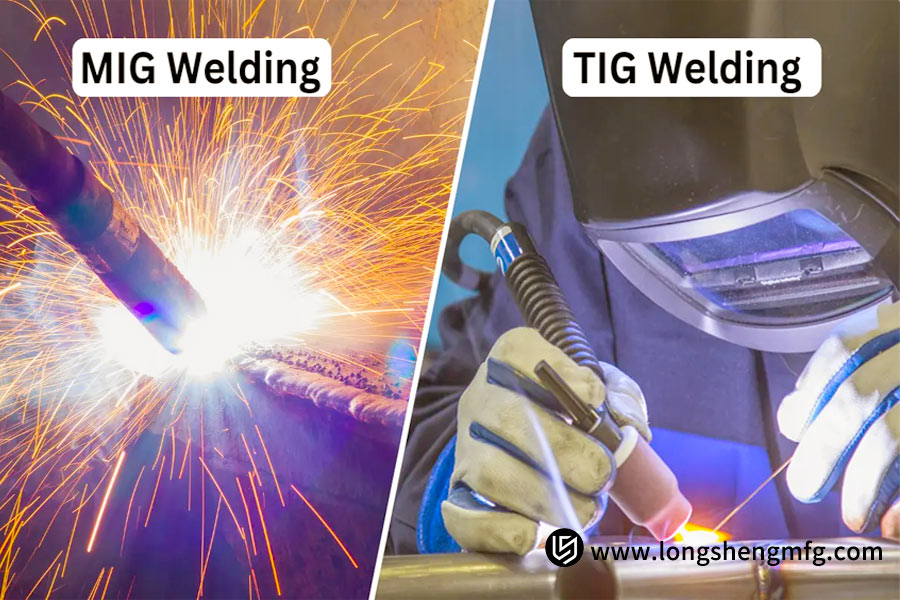
MIG welding is often praised for its speed, but that speed can also introduce problems. One common issue is excessive spatter, which can make your work messy and require extra cleanup. If your wire feed speed is off, you might experience inconsistent weld beadsthat weaken the joint.
Another challenge is managing shielding gas coverage. If the gas flow is too low or disrupted by wind, your welds can become porous and brittle. Also, beginners often struggle with the right angle and distance between the gun and the workpiece, which is critical for a solid weld.
Challenges In Tig Welding
TIG welding demands more precision and control, which can be intimidating at first. A big challenge is maintaining a steady hand while feeding the filler rod and controlling the torch simultaneously. If you lose focus, the weld bead can become uneven or contaminated.
Heat control is another tricky part. Too much heat can burn through thin metals, while too little prevents proper fusion. Also, TIG welding requires clean surfaces; even minor rust or oil can cause weld defects that are hard to fix later.
Solutions And Tips
- Adjust settings carefully:Spend time fine-tuning wire speed and voltage for MIG welding before you start. Small tweaks make a big difference.
- Practice steady movements:For TIG, use slow, controlled motions. Try resting your arm on a stable surface to reduce shaking.
- Check gas flow regularly:Protect your welds by ensuring the shielding gas is flowing at the right rate without leaks.
- Prep your metal:Clean your workpieces thoroughly before TIG welding to avoid contamination.
- Use proper technique:Keep the MIG gun at a 10-15 degree angle and hold the TIG torch at about 70 degrees for optimal results.
Have you noticed how a simple adjustment in your approach can dramatically improve your welds? Sometimes, the smallest change makes the biggest impact. What challenge have you faced recently, and how did you overcome it?
Credit: www.longshengmfg.com
Frequently Asked Questions
What Are The Main Differences Between Mig And Tig Welding?
MIG welding uses a continuous wire electrode and shielding gas. TIG welding uses a non-consumable tungsten electrode and separate filler rod. MIG is faster and easier, ideal for thicker metals. TIG provides more precision and cleaner welds, perfect for thin or delicate materials.
Which Welding Method Is Better For Beginners?
MIG welding is better for beginners. It is easier to learn and faster to use. TIG welding requires more skill and control, making it harder for novices. MIG is more forgiving and suitable for general welding projects.
Can Mig And Tig Welding Work On The Same Metals?
Yes, both MIG and TIG welding can work on steel, aluminum, and stainless steel. TIG welding is preferred for thin metals and detailed work. MIG welding suits thicker metals and quicker fabrication tasks. Choice depends on project requirements and desired finish.
How Do Mig And Tig Welding Differ In Cost?
MIG welding equipment is generally less expensive and more affordable. TIG welding machines and accessories tend to cost more. TIG welding also requires more skill, which can increase labor costs. MIG welding offers a budget-friendly option for most projects.
Conclusion
Mig welding uses a wire electrode and gas for faster work. Tig welding uses a tungsten electrode and gas for cleaner, precise welds. Mig welding suits thicker metals and quick jobs. Tig welding fits thinner metals and detailed tasks. Both have clear benefits depending on the project needs.
Choose the method that matches your metal type and skill level. Understanding these differences helps you weld better and safer. Simple tools or complex parts—each welding style has its place. Your choice makes all the difference in the final result.
About The Author

