
Are you curious about the difference between TIG and plasma welding? Whether you’re new to welding or looking to sharpen your skills, understanding these two methods can make a big difference in your work.
Both TIG and plasma welding have their unique strengths, but which one is right for your project? Keep reading to discover how these techniques work, their key differences, and how you can choose the best option for your needs. By the end, you’ll feel confident making the right welding choice every time.
Tig Welding Basics
TIG welding is a precise welding technique known for clean and strong joints. It uses a non-consumable tungsten electrode to produce the weld. This method requires a shield gas, usually argon, to protect the weld area from contamination. TIG welding offers excellent control over heat and speed, making it perfect for detailed work.
The process is slower than other welding methods but results in high-quality welds. It suits thin materials and projects needing fine welds without splatter or slag.
Process Overview
TIG welding starts with striking an arc between a tungsten electrode and the metal. The welder feeds filler metal by hand into the weld pool. A constant flow of inert gas shields the weld from air. The welder controls the heat with a foot pedal or a hand control. This control allows for smooth and precise welds.
Common Applications
TIG welding is popular in industries requiring clean and strong welds. It is widely used in aerospace, automotive, and art metalwork. It works well for pipe welding and thin sheet metals. TIG welding also fits repair work and projects needing high-quality finishes.
Material Compatibility
TIG welding handles many metals with ease. It works best on stainless steel, aluminum, and copper alloys. It also welds titanium and magnesium effectively. TIG welding suits thin materials where heat control is critical. It does not perform well on thick steel compared to other methods.
Credit: secindustrial.com
Plasma Welding Basics
Plasma welding is a precise and efficient welding technique. It uses a plasma arc to join metals. This method offers better control than many traditional welding processes. Understanding plasma welding basics helps compare it with TIG welding clearly.
Process Overview
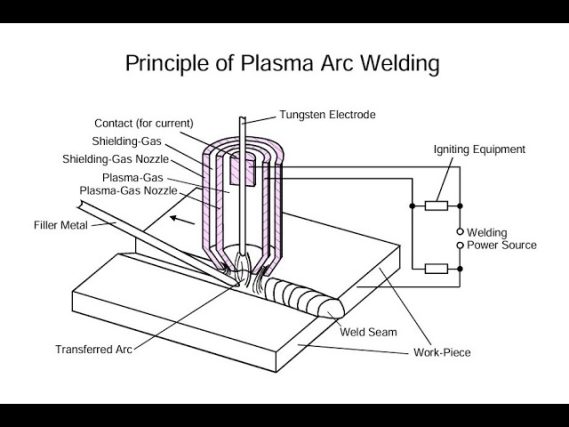
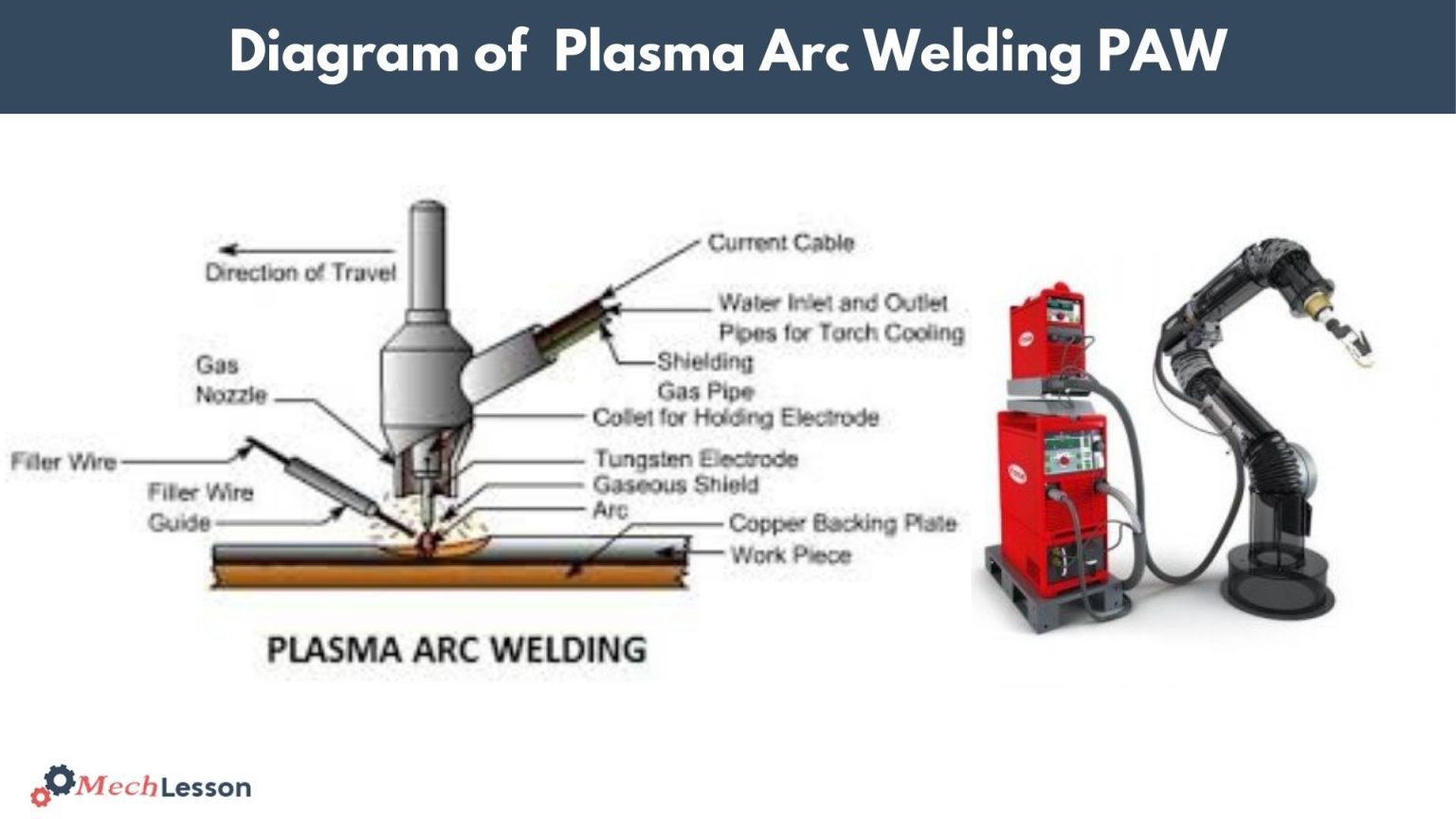
Plasma welding creates a high-temperature arc between an electrode and the workpiece. The arc is constricted by a fine nozzle. This increases the heat intensity and focus. The plasma gas flows through the nozzle, ionizing and forming the plasma. The process melts the metal, allowing a clean weld.
Common Applications
- Manufacturing of aerospace components
- Automotive industry for precision parts
- Electronics where small welds are needed
- Medical device fabrication
- Thin sheet metal welding
Material Compatibility
Plasma welding works well with many metals.
- Stainless steel
- Aluminum
- Copper
- Titanium
- Nickel alloys
The process is suitable for thin and thick metals. It provides strong, clean welds with less distortion.
Key Differences
The key differences between TIG and plasma welding lie in how they use heat, their speed, and their costs. Understanding these points helps you pick the right method for your project. Both have unique strengths and suit different tasks. Below are the main distinctions to consider.
Heat Source And Control
TIG welding uses an electric arc from a tungsten electrode. It creates a precise and stable heat source. This allows excellent control over the weld pool. Plasma welding also uses an electric arc but constricts it through a small nozzle. This produces a very focused and hotter plasma jet. It offers even more precise heat control than TIG. Both methods allow careful heat application, but plasma welding concentrates heat more tightly.
Efficiency And Speed
TIG welding takes more time due to its slower process. It requires careful handling and steady handwork. Plasma welding works faster because the plasma jet melts metal quickly. It can weld thicker materials in less time. For jobs needing speed and high productivity, plasma welding is often better. TIG is preferred for detailed work where precision matters more than speed.
Cost Implications
TIG welding equipment is generally less expensive upfront. The tools and power needs are simpler. Plasma welding machines cost more due to complex parts and higher power use. Operating plasma welders may also use more electricity. TIG welding may save money on materials and power for small jobs. Plasma welding can reduce labor costs by finishing jobs faster.
Technical Aspects
Understanding the technical aspects of TIG and plasma welding helps in choosing the right method. Both use electricity to join metals but differ in process and tools. These differences affect how they are set up, the skill required, and their upkeep.
Equipment And Setup
TIG welding uses a non-consumable tungsten electrode. It needs a shielding gas, usually argon, to protect the weld area. A foot pedal controls the heat for precision. Plasma welding uses a smaller, more focused arc. It requires a plasma torch and a high-frequency start system. Setup for plasma welding is more complex due to extra components.
Skill Level Required
TIG welding demands steady hands and good coordination. Operators must control heat and filler material carefully. Plasma welding is easier to learn for beginners. The focused arc reduces the chance of mistakes. TIG is best for delicate, thin metals. Plasma suits thicker materials and faster work.
Maintenance Needs
TIG welding equipment needs regular cleaning of the torch and electrode. Gas lines must stay free of leaks and blockages. Plasma welding tools require more frequent checks on the torch tip and nozzle. These parts wear faster due to high heat. Proper maintenance ensures longer tool life and better weld quality.
Performance And Quality
Performance and quality are crucial factors when comparing TIG and plasma welding. Each method offers unique strengths that affect the final weld. Understanding these differences helps choose the right technique for specific projects. The focus here is on weld finish, durability, and precision.
Weld Finish And Aesthetics
TIG welding produces smooth and clean welds. It creates minimal spatter and sharp edges. This makes TIG ideal for visible work requiring a neat look.
Plasma welding also offers good weld appearance but may have slight roughness. It suits industrial tasks where speed matters more than perfect finish.
Durability And Strength
TIG welding creates strong and durable joints. It allows better control over heat input, reducing metal distortion. This leads to lasting welds with fewer defects.
Plasma welding delivers high strength but can cause more heat-affected zones. This sometimes weakens the surrounding metal if not managed well. Still, it works well for thick materials and heavy-duty applications.
Precision And Accuracy
TIG welding excels in precision. The welder controls the torch and filler material closely. This results in accurate and consistent weld beads, perfect for thin metals.
Plasma welding offers good accuracy but is less precise than TIG. It uses a constricted plasma arc, which allows faster cuts and welds but with slightly less control.

Credit: www.researchgate.net
Environmental And Safety Considerations
Environmental and safety considerations are crucial in welding processes. Both TIG and plasma welding create hazards that need careful control. Understanding these factors helps ensure safer work conditions and less environmental harm.
Fume And Emission Levels
TIG welding produces fewer fumes compared to plasma welding. Plasma welding generates more intense heat, leading to higher emissions. The fumes can contain harmful metals and gases. Proper ventilation is essential to reduce exposure. Controlling fumes protects workers and the surrounding environment.
Safety Gear And Precautions
Both welding types require protective gear. Welders must wear helmets with proper eye protection. Gloves and flame-resistant clothing reduce burn risks. Plasma welding needs extra caution due to higher heat and sparks. Keeping a fire extinguisher nearby is wise. Training on equipment use improves safety.
Environmental Impact
Plasma welding consumes more electricity than TIG welding. Higher energy use means a bigger carbon footprint. Waste materials, such as used electrodes and shielding gases, must be handled properly. TIG welding generally produces less waste. Recycling and proper disposal minimize environmental damage.
Industry-specific Applications
Different industries use TIG and plasma welding based on their unique needs. Each welding method suits specific materials and precision levels. The choice impacts product quality, durability, and production speed. Understanding industry-specific applications helps select the right technique.
Aerospace And Automotive
TIG welding excels in aerospace for precise, clean welds on thin metals. It joins aluminum, titanium, and stainless steel parts. Plasma welding offers fast, consistent cuts for automotive body panels. It handles complex shapes and thick materials well. Both methods ensure safety and strength in vehicles and aircraft.
Manufacturing And Fabrication
Manufacturers use TIG welding for detailed work on small parts. It creates strong, neat joints in stainless steel and other alloys. Plasma welding speeds up cutting and welding in large metal sheets. It suits repetitive tasks and mass production. Combining both improves efficiency and product quality.
Construction And Repair
Construction relies on plasma welding for fast metal cutting on-site. It handles thick steel and heavy-duty materials easily. TIG welding supports repair work needing precision and clean welds. It fits delicate tasks on pipes and structural parts. Each method helps maintain safety and durability in buildings.
Credit: mechlesson.com
Frequently Asked Questions
What Is The Main Difference Between Tig And Plasma Welding?
TIG welding uses a non-consumable tungsten electrode to create the weld. Plasma welding employs a plasma arc that flows through a constricted nozzle, allowing higher precision and heat control.
Which Welding Method Offers Better Precision, Tig Or Plasma?
Plasma welding provides better precision due to its focused plasma arc. TIG welding is precise but less concentrated compared to plasma.
Is Tig Welding Or Plasma Welding Faster?
Plasma welding is generally faster because of its higher heat intensity. TIG welding is slower but offers more control for delicate tasks.
Which Welding Technique Is Best For Thin Metals?
TIG welding is ideal for thin metals as it offers better control and less heat distortion. Plasma welding can be too intense for very thin materials.
Conclusion
TIG and plasma welding both join metals but work differently. TIG uses a tungsten electrode and needs a filler rod. Plasma welding uses a smaller, focused arc for precision. TIG is great for thin metals and clean welds. Plasma works well for thicker materials and faster jobs.
Choosing depends on your metal type and project needs. Both methods offer strong, reliable welds. Understanding their differences helps you pick the right one. Simple and clear.
About The Author

