
Have you ever wondered how metal gets sliced so quickly and cleanly in workshops and factories? If you work with metal or are curious about cutting tools, understanding how a plasma cutter works can change the way you approach your projects.
This powerful tool doesn’t just cut—it transforms metal cutting into a fast, precise, and efficient process. By the end of this article, you’ll know exactly how a plasma cutter operates and how it can make your work easier and more professional.
Ready to discover the secret behind those sharp, perfect cuts? Let’s dive in!
Plasma Cutting Basics
Understanding the basics of plasma cutting can change how you approach metalworking projects. It’s a precise and fast method that uses a unique state of matter—plasma—to cut through tough materials. Knowing what plasma is and how a plasma cutter works helps you get better results and avoid common mistakes.
What Is Plasma?
Plasma is often called the fourth state of matter, different from solid, liquid, or gas. It forms when a gas is heated so much that its atoms break apart into charged particles—ions and electrons. This makes plasma highly conductive and extremely hot, which is why it can slice through metal like a hot knife through butter.
Have you ever seen lightning? That’s a natural example of plasma. In plasma cutting, this state of matter is controlled to make precise cuts.
Components Of A Plasma Cutter
A plasma cutter has several key parts that work together to create and control the plasma arc. These include:
- Power Supply:Converts electrical power to the needed voltage and current for cutting.
- Arc Starting Console:Helps initiate the plasma arc quickly and safely.
- Cutting Torch:The handheld part that directs the plasma jet onto the metal.
- Gas Supply:Provides the gas (usually compressed air or nitrogen) needed to create plasma.
Each component must be in good condition for the cutter to work efficiently. If you’ve ever struggled with uneven cuts, it might be because one of these parts isn’t functioning properly.
How Plasma Is Generated
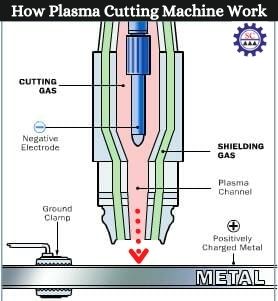
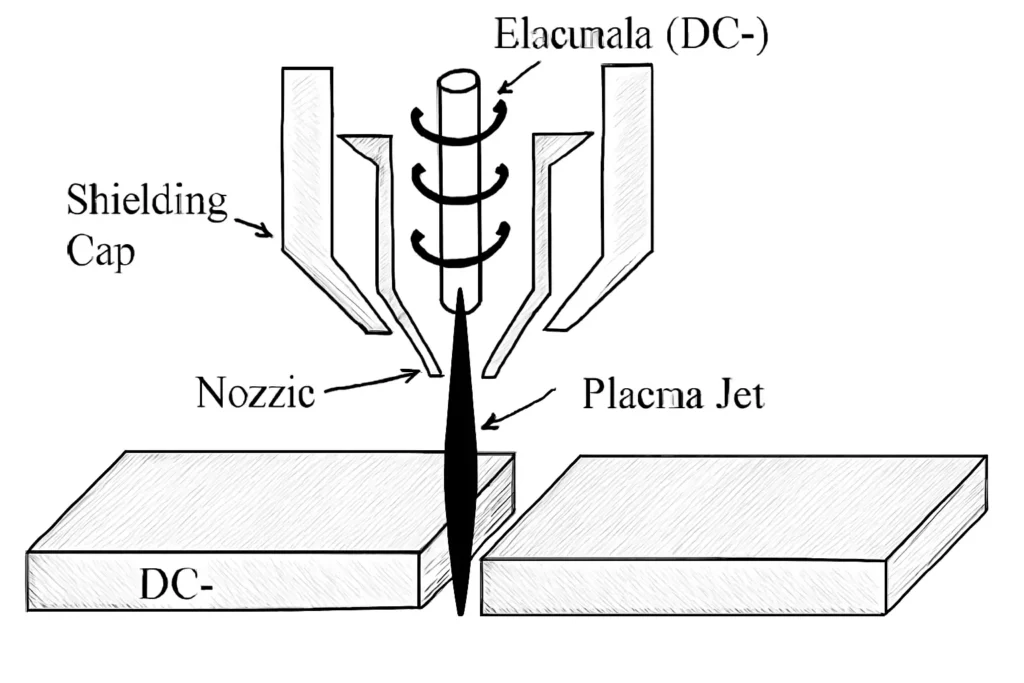
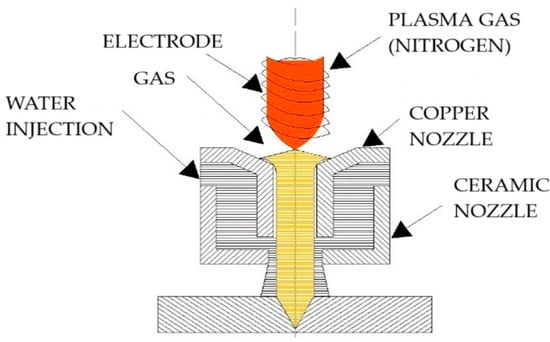
The plasma cutting process starts by sending a high-velocity jet of ionized gas through a narrow nozzle in the torch. When the gas passes through this nozzle, an electric arc forms between the torch and the metal surface. This arc heats the gas to temperatures above 20,000°F (about 11,000°C), turning it into plasma.
This plasma jet melts the metal, and the high-speed gas blows the molten material away, creating a clean cut. The precision comes from controlling the plasma’s temperature and speed, so you only cut where you want.
Have you ever noticed how a dull blade makes cutting harder? In plasma cutting, controlling the arc and gas flow keeps the “blade” sharp in a sense, letting you work faster and cleaner.

Credit: unimig.com.au
The Cutting Process
The cutting process of a plasma cutter is a precise blend of electricity, gas, and heat. It transforms metal cutting into a fast and clean task. Understanding this process helps to see how plasma cutters achieve their powerful results.
Initiating The Arc
The cutting begins by creating an electric arc between the cutter’s tip and the metal surface. This arc forms a channel of ionized gas, called plasma. The plasma carries the electrical current and melts the metal at the cut point.
The operator usually touches the tip to the metal to start the arc. Once the arc is stable, the tip lifts slightly to maintain a steady cutting distance.
Role Of Compressed Air
Compressed air blows through the plasma arc, focusing the energy on a small area. This air pressure pushes molten metal away from the cut line. It also cools the torch and prevents damage during cutting.
The compressed air’s force keeps the cut clean and narrow. It helps make smooth cuts on different metal thicknesses.
Heat And Speed Dynamics
The plasma cutter uses extreme heat to melt metal quickly. The temperature can reach over 25,000 degrees Fahrenheit. This heat melts the metal instantly at the cutting point.
The speed of the cut affects the quality. Moving too fast can leave rough edges. Moving too slow wastes energy and may cause warping. A balanced speed ensures a clean, precise cut.
Types Of Plasma Cutters
Plasma cutters come in various types to suit different cutting needs. Each type offers unique features and benefits. Choosing the right plasma cutter depends on the job size, precision, and portability required.
Manual Vs. Cnc Plasma Cutters
Manual plasma cutters require an operator to guide the torch by hand. They are ideal for simple cuts and small projects. CNC plasma cutters use computer controls to automate cutting. These systems deliver high precision and repeatability. CNC cutters excel in complex designs and large-scale production.
Portable Plasma Cutters
Portable plasma cutters are lightweight and easy to carry. They work well for on-site repairs and small jobs. These cutters often run on standard power sources. Portability allows users to move freely around the workspace. They are less powerful but offer great convenience.
Industrial Plasma Systems
Industrial plasma systems are built for heavy-duty cutting tasks. They handle thick metals and long production runs with ease. These systems provide high cutting speeds and excellent accuracy. Industrial plasma cutters often include advanced features like water tables and automation. They suit factories and large workshops.
Advantages Of Plasma Cutting
Plasma cutting offers many benefits that make it a preferred choice in metalworking. It uses ionized gas to cut through metals efficiently. This method provides clean, smooth cuts with less effort. It suits various industries, from construction to automotive work. The advantages cover precision, material variety, and speed, making tasks easier and faster.
Precision And Accuracy
Plasma cutters deliver sharp and exact cuts. The focused plasma arc allows detailed work. It reduces metal distortion and rough edges. This precision helps in creating complex shapes and designs. Workers get consistent results with less waste.
Versatility In Materials
Plasma cutting works on many metals. It cuts steel, stainless steel, aluminum, copper, and more. Thick and thin metals are easy to handle. This versatility supports different projects and industries. Users save money by using one tool for many materials.
Efficiency And Speed
Plasma cutters operate faster than traditional cutting methods. They use less energy and require minimal setup. The quick cuts reduce production time and labor costs. High cutting speeds improve overall workflow. This efficiency benefits both small shops and large factories.
Applications Of Plasma Cutting
Plasma cutting is a versatile technology used in many fields. It provides fast, clean cuts on metal sheets and parts. The precision and speed make it ideal for various industries. Below are key areas where plasma cutting finds its use.
Automotive Industry
Plasma cutting helps shape metal parts for cars and trucks. It cuts body panels, frames, and exhaust components quickly. This method allows manufacturers to produce precise parts. It also supports repair shops by cutting damaged parts easily.
Artistic Metalwork
Artists use plasma cutters to create detailed metal designs. The tool cuts complex shapes and patterns in steel and other metals. It allows for creativity in sculptures, signs, and decorative pieces. Plasma cutting offers smooth edges that reduce finishing work.
Construction And Manufacturing
In construction, plasma cutting cuts beams, pipes, and sheets fast. It helps build structures like bridges and buildings efficiently. Manufacturing plants use plasma cutters for fabricating metal parts. The process saves time and lowers production costs.
Credit: www.sltl.com
Safety Measures
Safety is crucial when working with a plasma cutter. The intense heat and bright light it produces can cause serious injuries if you’re not careful. Taking proper safety measures protects you and those around you from potential hazards.
Protective Gear
Always wear the right protective gear. A welding helmet with a proper shade filter shields your eyes from the bright plasma arc. Thick gloves and flame-resistant clothing protect your skin from sparks and molten metal.
Have you ever seen someone cutting without a helmet? The risk of eye damage is real and painful. Don’t forget ear protection either; plasma cutting can be noisy and cause hearing damage over time.
Handling Equipment Safely
Hold the plasma cutter firmly and keep your hands steady. Avoid touching the torch’s nozzle immediately after use—it stays hot longer than you might expect. Make sure the workpiece is securely clamped to prevent movement during cutting.
Do you check your equipment before starting? Inspect cables and connections regularly to prevent electrical shocks. Always follow the manufacturer’s instructions for setup and operation to avoid accidents.
Environmental Considerations
Work in a well-ventilated area to avoid inhaling harmful fumes and gases. Plasma cutting produces metal fumes that can be dangerous if inhaled regularly. Use exhaust fans or fume extractors when cutting indoors.
Keep your workspace free of flammable materials. Sparks can easily ignite nearby items, leading to fires. Remember, even the floor can catch fire if sparks land on oily rags or paper.
Maintenance Tips
Maintaining a plasma cutter is essential for safe and efficient operation. Regular care extends the tool’s life and ensures clean cuts. Simple maintenance routines can prevent costly repairs and downtime.
Regular Cleaning
Keep the plasma cutter free from dust and debris. Wipe down the exterior after each use. Use compressed air to blow out dust from vents and internal parts. Clean the torch nozzle to avoid blockages. A clean machine runs cooler and lasts longer.
Component Checks
Inspect consumables like electrodes and nozzles often. Replace worn parts immediately to maintain cutting quality. Check cables for cracks or damage. Ensure all connections are tight and secure. Regular checks prevent unexpected failures during work.
Troubleshooting Common Issues
Look for signs of poor cutting like rough edges or inconsistent arcs. Check air pressure and flow for proper settings. Inspect the torch for damage or wear. Reset the machine if it overheats or stops unexpectedly. Quick troubleshooting saves time and keeps projects on track.
Credit: www.mdpi.com
Future Of Plasma Cutting
The future of plasma cutting holds exciting possibilities. Advances in technology will make plasma cutters more efficient, precise, and user-friendly. These improvements will benefit industries from metal fabrication to automotive repair. Plasma cutting will continue to evolve, meeting new demands and challenges in manufacturing and construction.
Technological Advancements
Plasma cutters will use smarter controls and automation. Enhanced software will help operators adjust settings quickly. New power sources may reduce energy use and improve cutting speed. Improved nozzle designs will increase cut quality and reduce wear. Integration with CNC machines will become more common, allowing complex shapes to be cut with ease.
Emerging Trends
Portable and compact plasma cutters will grow in popularity. Wireless and battery-powered models will offer greater mobility. Hybrid machines combining plasma cutting with other processes will appear. Digital interfaces and touchscreen controls will simplify operation. Real-time monitoring systems will track performance and maintenance needs.
Sustainability And Innovation
Eco-friendly plasma cutters will reduce waste and emissions. New materials for consumables will lower environmental impact. Energy-efficient designs will cut power consumption significantly. Recycling and reuse of parts will become standard practice. Innovation will focus on making plasma cutting greener and safer for workers.
Frequently Asked Questions
What Is The Basic Principle Of A Plasma Cutter?
A plasma cutter works by sending an electric arc through a gas. This ionizes the gas into plasma, which melts metal. The high-speed plasma jet then blows the molten metal away, creating a clean cut.
How Does Plasma Cutting Differ From Other Cutting Methods?
Plasma cutting uses ionized gas for precision and speed. Unlike oxy-fuel cutting, it works on all conductive metals. It produces less heat distortion and is faster for thin to medium thickness metals.
What Types Of Metals Can A Plasma Cutter Cut?
Plasma cutters can cut steel, stainless steel, aluminum, brass, and copper. They work on any electrically conductive metal, making them versatile for various industrial and DIY projects.
Is Plasma Cutting Safe For Beginners To Use?
Plasma cutting requires safety gear like gloves and eye protection. Beginners should learn proper handling and ventilation. With training, it is safe and effective for both hobbyists and professionals.
Conclusion
A plasma cutter uses gas and electricity to cut metal fast. It creates a hot, focused stream to slice through materials easily. This tool helps in many jobs, from art to construction. Understanding how it works makes using it safer and better.
Anyone working with metal can benefit from knowing this. Simple, effective, and precise—plasma cutters get the job done right.
About The Author

