
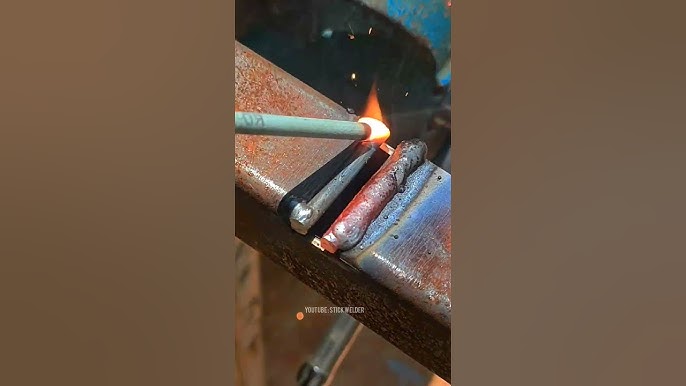
Welding thin metal with a stick welder can feel tricky and frustrating. You might worry about burning through the metal or ending up with weak, messy welds.
But what if you could learn simple techniques that make your welds clean, strong, and precise every time? You’ll discover easy-to-follow tips that will boost your confidence and help you master welding thin metal like a pro. Keep reading—your next successful weld is closer than you think.
Choosing The Right Stick Welder
Choosing the right stick welder is crucial when working with thin metal. The wrong equipment can cause burn-throughs or weak joints. Understanding what to look for will save you time, material, and frustration.
Selecting Suitable Welding Machines
Not all stick welders handle thin metal well. Look for a welder with adjustable amperage settings. Lower amperage ranges, around 20-60 amps, give you better control and reduce the risk of overheating the metal.
Compact, inverter-based stick welders are often better for thin materials because they provide stable arcs at low currents. If your machine only runs at high amperages, you might struggle to avoid damaging the metal.
Ask yourself: does your current welder allow you to dial down the heat precisely? If not, consider investing in a model designed for delicate welding jobs.
Picking Electrodes For Thin Metal
Electrode choice makes a big difference in quality and ease of welding thin metal. Use electrodes with a small diameter, typically 1/16 inch or less. Thinner electrodes melt faster and produce a narrower bead, ideal for thin sheets.
Electrodes like E6013 are popular for thin metal because they provide smooth arcs and less spatter. Avoid heavy-duty rods like E7018, which require higher amperage and can burn through thin metal quickly.
Think about the metal type and position too. Some electrodes work better on rusty or painted surfaces, while others excel on clean steel. Testing a few rods on scrap pieces can save you headaches later.

Credit: www.youtube.com
Preparing Thin Metal For Welding
Preparing thin metal for welding is a crucial step that sets the foundation for strong, clean welds. Thin metal is delicate and can easily warp or burn through if not handled correctly. Taking the time to clean and properly fit your pieces before welding will save you headaches and improve your weld quality.
Cleaning And Cutting Techniques
Start by removing any rust, paint, or oils from the metal surface. These contaminants can cause poor welds and create weak spots. Use a wire brush, grinder, or chemical cleaner to get down to bare metal.
Cutting thin metal requires precision. I once tried using a heavy-duty saw on a thin sheet, and it bent the metal instead of cutting cleanly. Instead, use a sharp metal shear, a plasma cutter, or a fine-toothed saw blade. Clean, straight cuts prevent gaps and make welding easier.
- Always deburr edges after cutting to avoid sharp points and ensure better weld penetration.
- Check for any distortions or bends and straighten the metal before moving on.
Proper Fit-up And Joint Design
How tight should your joints be? For thin metal, a snug fit with minimal gaps is best. Large gaps can cause excessive heat input and burn-through. Use clamps or magnets to hold your pieces firmly in place during welding.
Choosing the right joint design matters. Butt joints work well for thin sheets, but consider lap joints if you need more strength. Keep the joint area as small as possible to control heat and reduce warping.
- Test fit your pieces multiple times before welding to catch any misalignments.
- Think about how the metal will expand and contract; leaving a tiny gap can sometimes help reduce stress.
Have you noticed how a small adjustment in fit-up can drastically improve your weld appearance? Paying close attention here makes the actual welding process smoother and your results stronger.
Setting Up Welding Parameters
Choosing the right welding current and electrode size is key for thin metal. Adjust settings to prevent burning through the metal while ensuring a strong weld. Keep the arc steady and use lower amperage for better control.
Setting up welding parameters is crucial when working with thin metal using a stick welder. The right settings can mean the difference between a successful weld and a frustrating experience. Achieving precision requires attention to amperage, electrode angle, and arc length. Let’s dive into these elements to ensure your welding project is a success.Adjusting Amperage For Thin Metal
When welding thin metal, managing the amperage is key. Too much heat can burn right through the material, while too little won’t achieve proper fusion. Aim for a lower amperage setting to protect the thin metal. Consider starting with the lowest setting recommended for your electrode and gradually increase if necessary. This approach helps avoid unnecessary damage and ensures you can handle delicate tasks with confidence.Electrode Angle And Arc Length Tips
The electrode angle plays a pivotal role in controlling the weld pool. A shallow angle, around 10 to 15 degrees, helps direct the heat effectively and prevents overheating the metal. Arc length, the distance between the electrode and the workpiece, is equally significant. Keeping a short arc length, approximately the width of the electrode diameter, maintains stability. Have you ever noticed how a stable arc can transform a challenging task into a seamless process? These minor adjustments make a world of difference in welding thin metal successfully.Welding Techniques For Thin Metal
Welding thin metal with a stick welder requires careful control and precise techniques. Thin metals can burn through quickly or warp under heat. Using the right welding methods ensures clean, strong joints without damaging the material.
Focus on steady hand movements, proper tacking, and heat control. These techniques help maintain metal integrity and produce professional results.
Maintaining A Steady Hand
Keep your hand steady to avoid uneven welds. A steady hand controls the electrode angle and speed. Move smoothly along the joint to ensure consistent bead width. Jerky movements can cause burn-through or weak spots.
Using Tacking To Prevent Warping
Tack weld small spots along the metal before fully welding. Tacking holds the pieces in place and reduces heat distortion. Space the tack welds evenly to balance the metal. This method keeps thin sheets flat and aligned.
Controlling Heat Input
Use low amperage settings to avoid burning thin metal. Short welding arcs produce less heat and prevent holes. Pause between welds to let the metal cool. This careful heat control stops warping and preserves metal strength.
Common Challenges And Solutions
Welding thin metal with a stick welder can be tricky. The metal heats up fast and can easily burn or warp. These problems make the welding weak or messy. Knowing common challenges helps you avoid them. Simple solutions improve your weld quality and control.
Avoiding Burn-through
Burn-through happens when the metal melts completely. It creates holes and weak spots. Thin metal needs less heat than thick metal. Use a low amperage setting on your welder. Choose a thinner electrode to match the metal thickness.
Keep the welding speed steady and quick. Do not hold the electrode in one spot too long. Use a weaving motion to spread heat evenly. Let the metal cool briefly between passes. This stops the metal from overheating.
Dealing With Warping And Distortion
Thin metal bends or twists due to heat. Warping spoils the shape and fit of your workpiece. Clamp the metal tightly to a solid surface. This keeps it in place and reduces movement.
Weld in short sections, moving around the piece. Avoid long continuous welds that cause heat buildup. Allow cooling time between welds. Use tack welds to hold parts before full welding. These small welds help keep the metal flat.

Credit: www.tiktok.com
Safety Measures And Best Practices
Welding thin metal with a stick welder demands careful attention to safety. Sparks and intense heat pose real risks. Following best practices reduces accidents and ensures clean welds. Prepare yourself and your workspace properly before starting any weld.
Protective Gear Essentials
Wear a welding helmet with a proper shade to protect your eyes. Use flame-resistant gloves to shield your hands from heat and sparks. A long-sleeve shirt made of heavy cotton or leather prevents burns on your arms. Closed-toe leather boots protect your feet from falling hot metal. Avoid synthetic clothing that can melt on contact with sparks.
- Welding helmet with dark lens
- Flame-resistant gloves
- Long-sleeve cotton or leather shirt
- Leather boots
- Safety glasses under the helmet
Work Area Preparation
Clear the area of flammable materials like paper, cloth, and chemicals. Use a fire-resistant welding blanket or curtains to contain sparks. Ensure good ventilation to avoid inhaling harmful fumes. Keep a fire extinguisher nearby in case of emergencies. Arrange your tools and materials within easy reach to avoid distractions.
- Remove flammable items
- Use welding curtains or blankets
- Ventilate the workspace well
- Keep a fire extinguisher close
- Organize tools and materials

Credit: www.youtube.com
Frequently Asked Questions
What Is The Best Electrode For Welding Thin Metal?
For thin metal, use a 6013 or 7014 electrode. These rods provide better control and produce smoother welds. They minimize burn-through and create strong, clean joints on thin materials.
How Do You Prevent Burn-through When Stick Welding Thin Metal?
Use low amperage and a fast, steady travel speed. Maintain a short arc length and avoid excessive heat buildup to prevent burn-through on thin metal.
Can Stick Welding Thin Metal Be Done Without Filler Material?
Stick welding always uses filler rods. Proper rod selection and technique control heat input to avoid excess filler and burn-through on thin metals.
What Settings Work Best For Stick Welding Thin Metal?
Set the amperage low according to the electrode size and metal thickness. Use a short arc and steady hand to maintain control and avoid damage.
Conclusion
Welding thin metal with a stick welder takes practice and patience. Use the right settings and electrodes for best results. Keep your welds small and steady to avoid burning through. Clean the metal before starting to ensure strong bonds. With careful attention, you can create clean, strong welds on thin metal.
Remember, safety comes first—wear proper gear and work in a safe space. Keep practicing, and your skills will improve over time. Welding thin metal is possible with the right approach and care.
About The Author

