
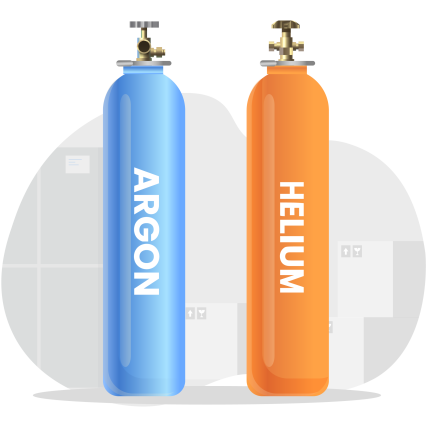
Are you ready to master aluminum welding but unsure which gas to use? Choosing the right gas can make all the difference in how strong and clean your weld turns out.
Using the wrong gas might lead to weak joints or messy welds that could cost you time and money. You’ll discover exactly what gas works best for aluminum welding and why it matters for your projects. Keep reading to make sure your next weld is smooth, strong, and professional every time.

Credit: www.instagram.com
Basics Of Aluminum Welding
Aluminum welding requires a clear understanding of the metal’s unique traits and the specific challenges it presents. Getting a handle on the basics can help you choose the right gas and technique, improving the quality of your welds. Let’s break down what makes aluminum special and what you need to watch out for when welding it.
Properties Of Aluminum
Aluminum is lightweight but strong, making it popular in many industries. It has excellent corrosion resistance because it forms a natural oxide layer on its surface.
However, aluminum’s thermal conductivity is high, so it absorbs heat quickly and cools fast. This means you need to control your heat input carefully during welding to avoid warping or weak joints.
Challenges In Aluminum Welding
Aluminum’s oxide layer melts at a much higher temperature than the metal itself, which can cause poor weld penetration if not managed properly. You might notice it looks like a stubborn crust that resists melting.
Another challenge is aluminum’s tendency to absorb hydrogen, leading to porosity and weak welds. To combat this, shielding gas and cleanliness play a crucial role.
Have you ever struggled with cracking or poor bead appearance on aluminum? That’s often due to rapid cooling or incorrect gas selection. Paying attention to these details can make a big difference in your welding results.
Importance Of Gas In Welding
Gas plays a crucial role in aluminum welding, influencing both the process and the final outcome. Without the right gas, the weld can become weak, porous, or contaminated. Understanding the importance of gas helps you make smarter choices and improve your welding results.
Role Of Shielding Gas
Shielding gas protects the molten aluminum from reacting with oxygen and nitrogen in the air. These reactions can cause defects like porosity and brittleness in the weld. Using the correct shielding gas creates a stable arc and smooth weld bead, making your work cleaner and stronger.
Common gases for aluminum include pure argon or argon mixed with helium. Each option affects the heat and penetration differently, so choosing the right mix depends on your welding setup and the aluminum thickness. Have you ever noticed rough welds or excessive spatter? It might be your shielding gas choice causing those problems.
Impact On Weld Quality
The quality of your weld depends heavily on the gas used. The wrong gas can lead to weak joints, cracks, or discoloration. These issues don’t just look bad—they can compromise the safety and durability of your project.
Using pure argon usually results in clean, smooth welds with minimal contamination. Adding helium increases heat and penetration, which is helpful for thicker aluminum parts. Paying attention to gas flow rate and purity will also improve your weld quality. Are you ready to experiment with different gases to see how your welds improve?
Types Of Gas For Aluminum Welding
Choosing the right gas for aluminum welding can make a big difference in your weld quality and efficiency. Different gases affect the heat, penetration, and overall appearance of your welds. Understanding the types of gas available helps you pick the best option for your specific project and equipment.
Argon As A Preferred Choice
Argon is the most commonly used gas for aluminum welding. It provides excellent shielding from contamination and creates a smooth, stable arc. If you want clean, high-quality welds, argon is often your best bet.
Many welders prefer argon because it’s easy to work with and produces less spatter. It’s especially effective for thin aluminum sheets where precise control is necessary. Have you noticed how argon helps prevent oxidation during your welds?
Helium For Enhanced Heat
Helium offers higher heat input compared to argon, which can be useful for thicker aluminum materials. It helps achieve deeper penetration and faster welding speeds. If your project demands strong welds on heavy sections, helium can be a valuable choice.
Some welders mix helium with argon to balance heat and arc stability. This mix often results in better weld pool fluidity and improved bead appearance. Would adding helium to your gas mix improve your welding efficiency or weld strength?
Gas Mixtures For Optimal Results
Choosing the right gas mixture is crucial for achieving strong, clean aluminum welds. The gas you use affects arc stability, penetration, and overall weld quality. Understanding different gas mixtures helps you tailor your welding setup to your specific needs.
Argon-helium Mix
Argon mixed with helium is a popular choice for aluminum welding. Argon provides excellent arc stability and a smooth weld pool, while helium increases heat input, improving penetration and weld speed.
If you’ve ever struggled with weak welds or poor fusion, adding helium can make a noticeable difference. Typical mixtures range from 25% to 75% helium, depending on the thickness of the aluminum and the desired weld characteristics.
Keep in mind, higher helium content means higher heat, which can help with thicker materials but may cause burn-through on thinner pieces. Have you tried adjusting helium percentages to find the sweet spot for your projects?
Specialty Mixtures
Beyond argon-helium, specialty gas mixtures are available to fine-tune your aluminum welding process. These may include small amounts of hydrogen or nitrogen to improve arc stability and reduce porosity.
Hydrogen, for example, can boost heat output and improve weld bead appearance but must be used cautiously to avoid cracking. Nitrogen additions are less common but can be beneficial in certain alloy welds.
Experimenting with these specialty mixtures requires careful control and testing. Are you prepared to tweak your gas blend to unlock better weld performance on challenging aluminum alloys?
Choosing The Right Gas For Your Project
Choosing the right gas for aluminum welding shapes the quality and durability of your final product. The gas you select affects the weld’s appearance, strength, and how easy it is to work with the metal. Understanding your project’s specific needs and budget can guide you to the best choice.
Project Requirements
Ask yourself what kind of aluminum welding you are doing. Thin sheets need a different gas mix than thick pieces. For example, pure argon is often preferred for TIG welding thin aluminum because it provides a stable arc and clean welds.
If you’re working outdoors or in a drafty area, consider a gas mix that offers better shielding against contamination. Sometimes adding helium to argon improves heat input, which helps when welding thicker materials. What kind of finish do you want on your weld? A smooth, shiny bead might need a different gas than a rougher, industrial-strength weld.
Cost Considerations
Gas prices vary widely, and your choice will affect your project budget. Pure argon tends to be more expensive than argon-helium mixes, but it may save time by producing cleaner welds with fewer defects.
Think about how much gas your welding process will consume. MIG welding typically uses more gas than TIG welding. Buying in bulk can reduce costs, but only if you’ll use all the gas before it expires.
Balancing cost with quality is key. Are you aiming for professional-grade welds or just a strong, functional joint? Sometimes spending a bit more on gas upfront prevents costly rework later.
Equipment Needed For Gas Welding
Gas welding aluminum requires specific equipment to ensure safety, precision, and quality results. The right tools help you control the flame and heat, which is crucial for working with aluminum’s unique properties. Let’s look at two key pieces of equipment that make gas welding effective.
Gas Regulators
Gas regulators control the flow and pressure of the gas coming from the cylinder. Without a reliable regulator, you risk inconsistent flame intensity, which can cause poor welds or even damage your material.
Look for regulators designed specifically for the gases you use, such as oxygen and acetylene or other fuel gases. A good regulator offers precise adjustment and stable pressure, giving you better control over the welding process.
Have you ever struggled with a flame that sputters or changes unexpectedly? That’s often a sign your regulator needs an upgrade or proper maintenance.
Welding Torches
The welding torch directs the flame and allows you to manipulate the heat where it’s needed. Choosing the right torch tip size is vital because aluminum requires a hotter flame than steel.
There are various torch designs—some offer better maneuverability for tight spots, while others provide more heat output. You want a torch that feels comfortable in your hand and suits the type of welds you plan to make.
Don’t forget, proper torch maintenance, like cleaning the tips regularly, can extend the life of your equipment and improve weld quality.
Tips For Achieving Perfect Aluminum Welds
Achieving perfect aluminum welds requires more than just the right gas. It demands skill, attention to detail, and careful preparation. Small adjustments can improve weld quality and reduce defects. Follow these tips to enhance your aluminum welding results and create strong, clean joints.
Proper Technique
Use a steady hand and maintain a consistent speed. Keep the welding torch at a proper angle, usually around 15 degrees. Use a push technique to avoid contamination and ensure good gas coverage. Clean the aluminum surface thoroughly before welding. Avoid overheating to prevent warping or burn-through. Use the right filler material matched to your aluminum alloy. Control heat input by adjusting your welding current and travel speed. Let the weld pool solidify naturally without rushing. Use short, controlled weld beads for better control and appearance.
Common Mistakes To Avoid
- Skipping surface cleaning leads to poor weld quality.
- Using wrong shielding gas can cause porosity and weak joints.
- Holding the torch too far or too close causes uneven welds.
- Moving too fast creates weak, incomplete welds.
- Overheating damages aluminum and weakens the weld.
- Ignoring proper filler rod selection results in cracks.
- Poor gas flow settings lead to contamination and defects.
- Not allowing proper cooling time increases stress in weld.
Credit: westairgases.com
Safety Measures In Aluminum Welding
Aluminum welding requires careful attention to safety. The gases and heat involved can pose risks. Taking proper safety measures protects the welder and the work environment. Understanding protective gear and ventilation needs is essential for safe aluminum welding.
Protective Gear
Wear a welding helmet with a proper shade to shield your eyes. Use flame-resistant gloves to protect your hands from heat and sparks. Long-sleeve shirts and pants made from heavy cotton or leather prevent burns. Safety boots protect your feet from falling objects and hot metal. Always use ear protection to avoid noise damage during welding.
Ventilation Concerns
Aluminum welding produces fumes that can be harmful if inhaled. Ensure your workspace has good airflow to clear these fumes quickly. Use exhaust fans or fume extractors near the welding area. Avoid welding in small, closed spaces without ventilation. Keep the area clean and free of flammable materials to reduce fire risks.
Troubleshooting Welding Issues
Troubleshooting welding issues is key to creating strong aluminum joints. Welding problems can cause weak spots and damage your project. Knowing how to fix common issues saves time and materials. Focus on identifying the root cause quickly.
Porosity Problems
Porosity happens when gas gets trapped inside the weld. It creates small holes that weaken the joint. Common causes include:
- Dirty metal surface
- Improper shielding gas coverage
- High welding speed
- Moisture on the aluminum or filler wire
To fix porosity:
- Clean the aluminum thoroughly before welding
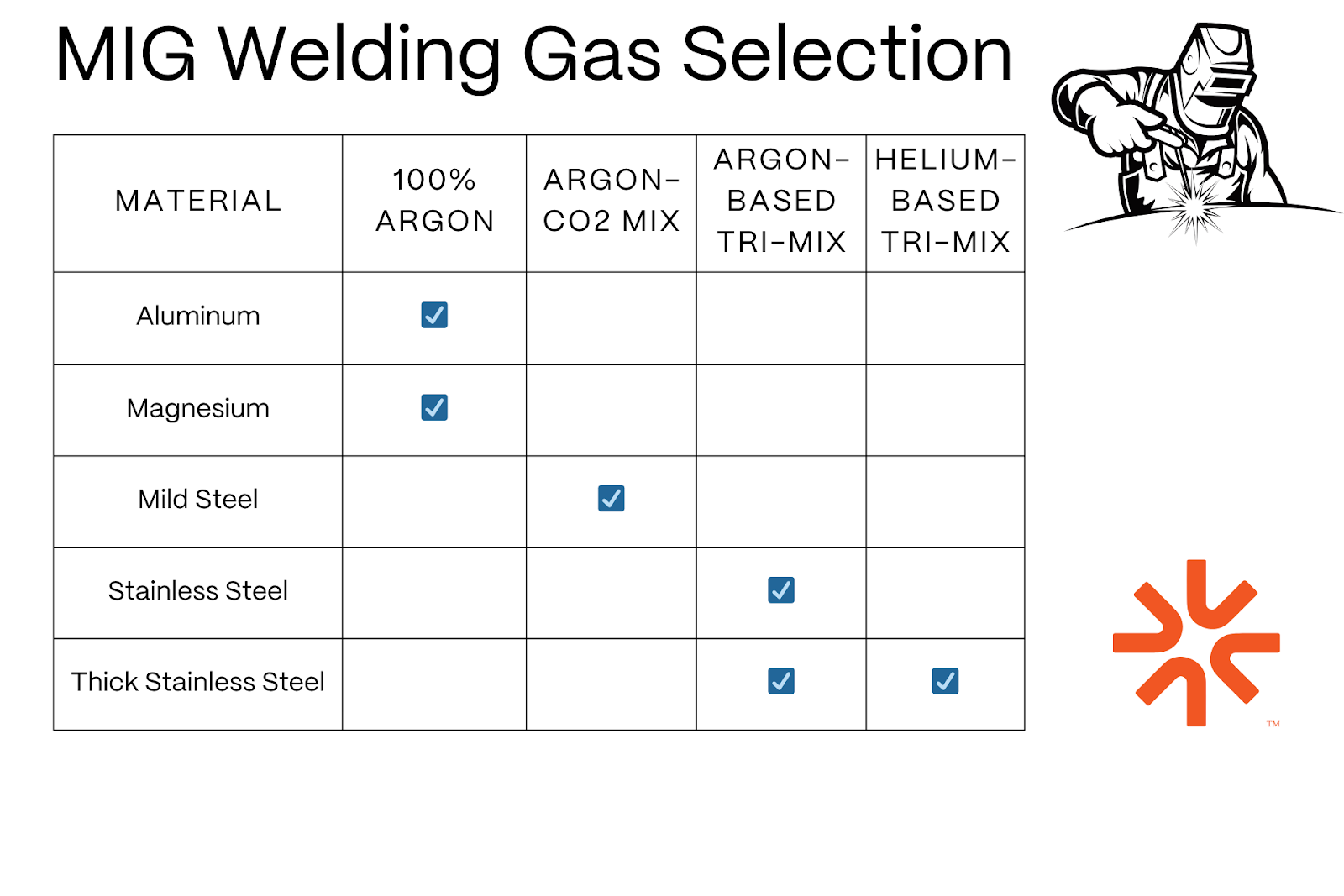
- Use the correct shielding gas, usually pure argon
- Adjust the welding speed to allow proper gas shielding
- Store filler materials in a dry place
Cracking Solutions
Cracks reduce weld strength and can lead to failure. They often appear due to:
- Too rapid cooling
- Incorrect welding technique
- Contamination on the metal
- Improper joint design
Prevent cracking by:
- Preheating thick aluminum parts
- Using steady, controlled welding speed
- Keeping the workpiece clean and dry
- Choosing the right filler metal for the alloy
Credit: www.ebay.com
Frequently Asked Questions
What Gas Is Best For Aluminum Welding?
Argon gas is best for aluminum welding. It provides a stable, clean arc and prevents oxidation. Argon ensures smooth welds and good penetration, making it ideal for TIG and MIG aluminum welding.
Can I Use Pure Argon For Aluminum Welding?
Yes, pure argon is commonly used for aluminum welding. It shields the weld pool from contamination and stabilizes the arc. Pure argon delivers a clean weld and helps avoid defects.
Is A Gas Mix Needed For Aluminum Welding?
Typically, pure argon is sufficient for aluminum welding. Gas mixes are rarely needed unless welding thicker aluminum. In special cases, argon-helium blends improve heat input and penetration.
Why Is Argon Gas Preferred For Aluminum?
Argon gas is inert, preventing aluminum oxidation during welding. It provides a smooth arc and excellent weld bead appearance. Argon’s shielding quality ensures strong, clean aluminum welds.
Conclusion
Choosing the right gas helps you weld aluminum cleanly and strongly. Argon is the most common choice because it protects the weld well. Sometimes, mixing gases improves the flow and strength of the weld. Always match the gas type to your welding method and aluminum thickness.
Good gas choice makes welding easier and results better. Keep these tips in mind for safer, smoother aluminum welding.
About The Author

