
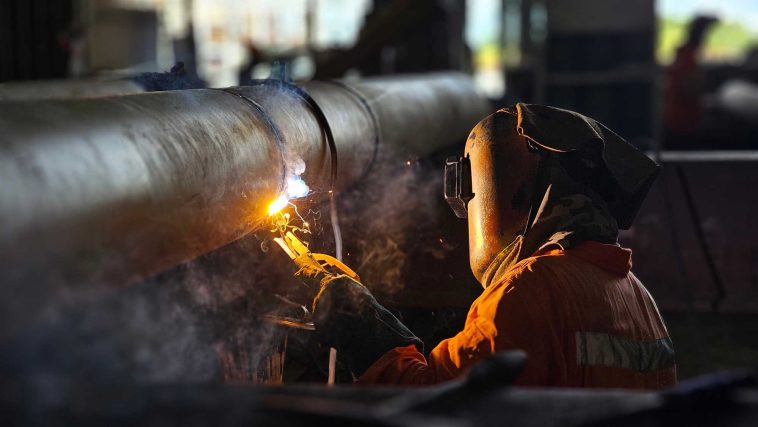
When you think about welding, you might picture sparks flying and metal joining together. But have you ever wondered what gas makes this process possible?
The right gas can change everything—from how strong your weld is to how smooth it looks. Whether you’re just starting out or want to improve your skills, understanding which gas to use will give you the edge you need. Keep reading, and you’ll discover the key gases behind welding and how choosing the right one can transform your work.
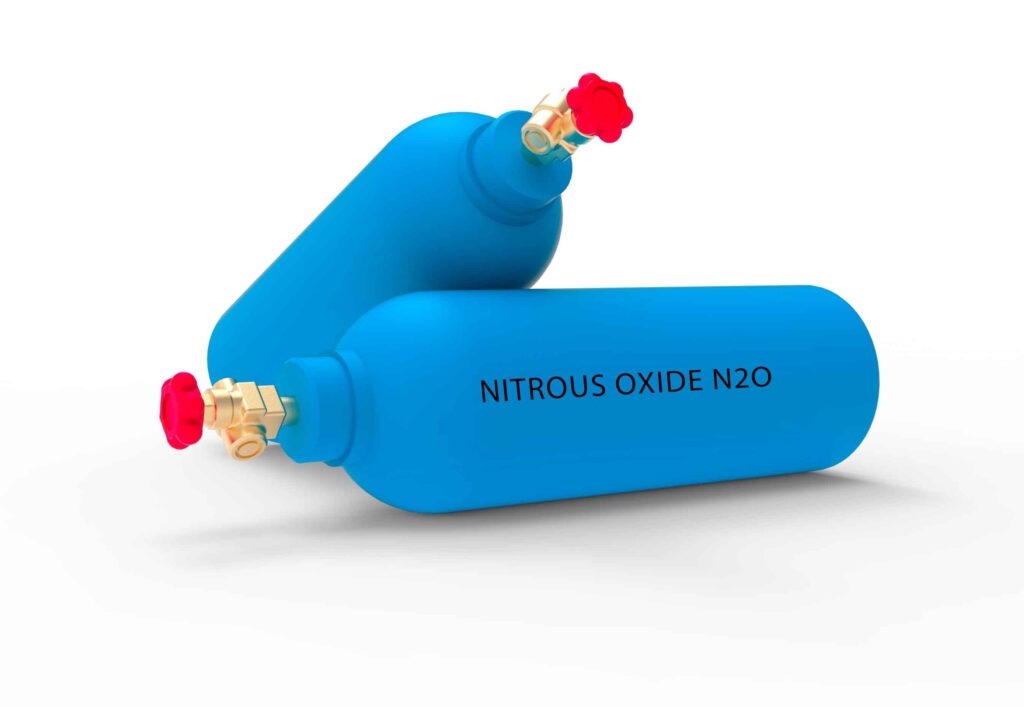
Credit: westairgases.com
Common Welding Gases
Welding gases play a vital role in the quality and strength of welds. They protect the weld area from contamination and influence the heat of the welding arc. Different gases suit different metals and welding techniques. Understanding common welding gases helps in choosing the right one for your project.
Argon
Argon is an inert gas widely used in welding. It creates a stable arc and shields the weld from oxygen and nitrogen. Argon works well with non-ferrous metals like aluminum and copper. It also improves weld appearance and reduces spatter. Argon is often mixed with other gases for specific welding needs.
Helium
Helium is a noble gas used to increase heat in the welding arc. It provides deeper penetration and faster welding speeds. Helium is popular for welding thicker materials and metals like aluminum and stainless steel. It is usually mixed with argon to balance cost and performance. Helium helps create strong, clean welds.
Carbon Dioxide
Carbon dioxide is a reactive gas commonly used in MIG welding. It offers good penetration and is cost-effective. Carbon dioxide creates a hotter arc than argon. It is often mixed with argon to improve weld quality and reduce spatter. This gas is ideal for welding steel and other ferrous metals.
Specialized Welding Gases
Specialized welding gases play a crucial role in achieving strong and clean welds. These gases serve specific purposes beyond basic shielding. They influence the weld’s quality, stability, and appearance. Understanding these gases helps welders select the right one for each job. Let’s explore some key specialized gases used in welding.
Oxygen
Oxygen is often mixed with other gases to improve flame temperature. It helps create a hotter, more focused flame. This makes welding faster and more efficient. Oxygen also aids in cleaning the metal surface by removing impurities. However, too much oxygen can cause oxidation and weaken the weld. Proper control is essential when using oxygen in welding.
Nitrogen
Nitrogen is used mainly in special welding processes like plasma welding. It acts as a shielding gas to protect the weld pool from contamination. Nitrogen also helps reduce porosity in some alloys. In some cases, it mixes with other gases to improve arc stability. Nitrogen’s inert properties make it valuable for preventing oxidation during welding.
Hydrogen
Hydrogen is added in small amounts to certain gas mixtures to increase heat output. It boosts flame temperature and improves weld penetration. Hydrogen also helps reduce oxidation and spatter during welding. It is common in welding stainless steel and other alloys. Careful handling is necessary as hydrogen can cause embrittlement in some metals.
Gas Mixtures In Welding
Gas mixtures play a key role in welding. They affect the quality and strength of the weld. Choosing the right gas mix depends on the metal type and welding process. Different mixtures offer different benefits like better arc stability, less spatter, and deeper penetration. Understanding these mixtures helps welders achieve cleaner, stronger welds.
Argon-carbon Dioxide Mixtures
Argon and carbon dioxide mix is common in welding mild steel. Argon provides a stable arc and smooth weld surface. Carbon dioxide adds deeper penetration and better weld strength. The mix usually contains 75% argon and 25% carbon dioxide. This balance reduces spatter and improves weld quality. It also helps in controlling the heat input during welding.
Helium-argon Mixtures
Helium and argon mixtures are popular for welding aluminum and stainless steel. Helium increases heat input and improves weld speed. Argon stabilizes the arc and provides good shielding. Typical blends range from 25% to 75% helium with argon making up the rest. These mixtures produce cleaner welds with better bead shape and less porosity.
Choosing The Right Gas
Choosing the right gas for welding is crucial to achieving strong, clean, and durable welds. The gas you select affects the weld’s quality, appearance, and even the ease of the welding process. Knowing what factors influence this choice helps you avoid common mistakes and get the best results every time.
Metal Type Considerations
Different metals react uniquely to various shielding gases. For example, carbon steel often pairs well with carbon dioxide or argon mixes, which provide good arc stability and penetration.
Aluminum, on the other hand, usually requires pure argon to create a clean, oxide-free weld. Using the wrong gas can cause defects like porosity or weak joints, which you definitely want to avoid.
Ask yourself: What metal am I welding, and what gas does it need to maintain its strength and appearance? This question guides your choice and prevents costly rework.
Welding Process Compatibility
The type of welding process you use limits which gases will work best. MIG welding commonly uses argon or argon blends, while TIG welding often demands pure argon for precise control.
Flux-cored arc welding sometimes uses carbon dioxide or a mix of gases to improve penetration and reduce spatter. Not every gas suits every process, so matching the gas to your technique is essential.
Consider your welding method and the gas’s impact on arc stability, heat input, and weld bead shape. This ensures your welds not only hold strong but also look professional.
Safety Measures For Welding Gases
Handling welding gases without proper care can quickly turn a routine job into a dangerous situation. These gases, while essential for creating strong welds, come with risks like leaks, fires, and health hazards. Understanding safety measures is not just about following rules—it’s about protecting yourself and those around you every time you work.
Handling And Storage
Welding gases must be stored upright and secured to prevent tipping. Always keep cylinders in a well-ventilated area away from heat sources and flammable materials.
Check for leaks regularly by applying soapy water on connections and watching for bubbles. Never use oil or grease on oxygen fittings, as this can cause fires.
Think about your last job—did you check valve caps and regulators before use? Skipping this simple step can lead to unexpected gas release or equipment failure.
Personal Protective Equipment
Wearing the right gear is non-negotiable when working with welding gases. This includes flame-resistant clothing, gloves, and safety glasses or a welding helmet with proper shading.
Respiratory protection may be necessary, especially in confined spaces or when dealing with gases that can displace oxygen. Don’t underestimate the importance of fresh air and proper ventilation.
Have you ever felt dizzy or short of breath after welding? This can signal dangerous gas exposure. Protect your lungs to keep your body and brain functioning at their best during every project.

Credit: westairgases.com
Innovations In Welding Gases
Welding gases have come a long way, evolving beyond traditional mixes to meet modern demands. Innovations focus on safety, efficiency, and environmental impact. These changes affect how you work and the quality of your welds.
Eco-friendly Options
More welders now choose gases that reduce harmful emissions. For instance, bio-derived gases and blends with lower carbon footprints are becoming popular.
You might find mixtures with argon combined with small amounts of oxygen or carbon dioxide that cut down on greenhouse gases without losing weld quality. These options help you meet stricter environmental rules and appeal to clients looking for green solutions.
Have you considered how switching to eco-friendly gases could improve your shop’s reputation and lower your environmental impact?
Advanced Gas Technologies
New gas formulations enhance welding precision and speed. Some advanced blends improve arc stability and reduce spatter, making your job cleaner and faster.
Companies are also developing gases that adapt in real time to welding conditions, ensuring consistent results even in challenging environments. For example, smart gas delivery systems adjust flow based on temperature and material thickness.
Imagine how much time and material you could save with gases that optimize themselves during use. Could this be the future of welding efficiency in your workspace?
Credit: unimig.com.au
Frequently Asked Questions
What Gas Is Commonly Used For Welding?
Argon is the most commonly used gas for welding. It provides a stable arc and protects the weld from contamination. Argon is ideal for TIG and MIG welding processes, especially with non-ferrous metals like aluminum and copper.
Why Is Shielding Gas Important In Welding?
Shielding gas protects the molten weld pool from atmospheric gases. It prevents oxidation and contamination, ensuring a strong, clean weld. Without shielding gas, weld quality decreases, leading to weak joints and defects.
What Gases Are Used For Mig Welding?
MIG welding typically uses argon, carbon dioxide, or a mix of both. Pure CO2 provides deep penetration but more spatter. Argon-CO2 mixes balance penetration and weld appearance, improving overall weld quality.
Can Oxygen Be Used In Welding Gas Mixtures?
Yes, small amounts of oxygen are added to argon mixtures. Oxygen enhances arc stability and improves weld bead appearance. However, too much oxygen can cause weld defects and should be carefully controlled.
Conclusion
Choosing the right gas affects welding quality and safety. Common gases include argon, oxygen, and carbon dioxide. Each gas suits different metals and welding types. Knowing their roles helps welders work better and safer. Always check gas compatibility before starting a project.
Proper gas use makes welding stronger and cleaner. Welding gas matters more than many realize. Keep learning to improve your welding skills every day.
About The Author

