
Are you curious about flux core welding wire and how it might benefit your next project? You’ve come to the right place.
Flux core welding wire is a fascinating topic that combines simplicity with efficiency, making it a popular choice for many welders, from beginners to seasoned professionals. But what exactly is it, and why should you consider using it? By the end of this article, you’ll have a clear understanding of its unique properties, how it can enhance your welding tasks, and why it might just be the game-changer you’ve been looking for.
Imagine achieving strong, precise welds with minimal hassle—sounds appealing, right? Let’s dive into the essential details that could transform your welding experience.
Flux Core Welding Wire Basics
Flux core welding wire is a special type of wire used in welding. It contains a flux core that helps shield the weld from impurities. This makes it ideal for outdoor welding without needing gas.
Flux core welding wire, often abbreviated as FCAW wire, is essential in welding. It’s an alternative to traditional welding wires. It offers distinct advantages in various welding situations. This type of wire is popular for its ease of use and efficiency. Understanding the basics of flux core welding wire can significantly improve your welding projects.What Is Flux Core Welding Wire?
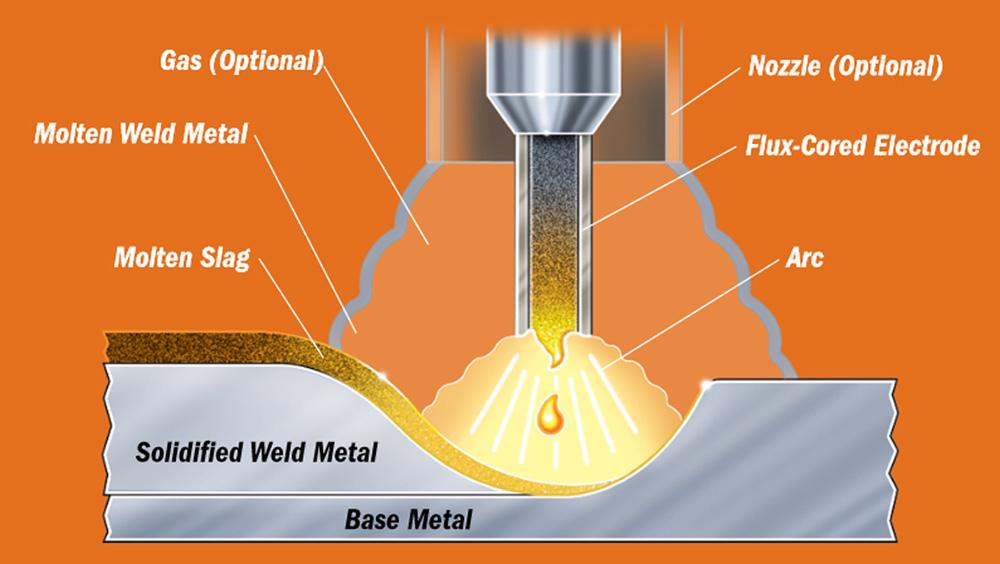
Flux core welding wire is a tubular wire filled with flux. Flux helps protect the weld from contaminants. Unlike solid welding wire, it doesn’t require an external shielding gas. This makes it ideal for outdoor welding. It’s effective in windy conditions where shielding gas could blow away.How Does Flux Core Welding Work?
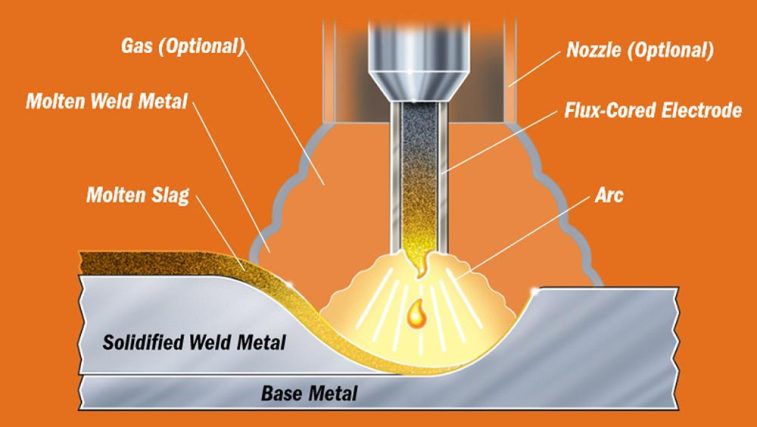
In flux core welding, an electric arc melts the wire and base metal. The flux inside the wire melts, creating a protective gas. This gas shields the weld from air contamination. The flux also forms a slag over the weld, which needs removing once cooled.Advantages Of Using Flux Core Welding Wire
Flux core wire offers several benefits. It allows deeper penetration into the metal. This results in stronger welds. It’s also useful for welding thicker metals. There’s no need for a separate gas cylinder, which reduces equipment costs. It’s efficient in windy environments, unlike MIG welding.Types Of Flux Core Welding Wire
There are two main types of flux core wire: self-shielded and gas-shielded. Self-shielded wires don’t need an external gas supply. They’re great for outdoor projects. Gas-shielded wires need an external gas source. They produce cleaner welds with less spatter. Choose the type based on project needs and conditions. Consider the metal thickness and type when choosing wire. For thicker metals, use a larger diameter wire. Ensure compatibility with your welding machine. Check the wire’s specifications for best results. Proper wire choice ensures strong, clean welds. Understanding these basics can enhance your welding skills. Choose the right wire for your project. Enjoy the benefits of efficient, effective welding.
Credit: www.harborfreight.com
Types Of Flux Core Wire
Flux core welding wire is a versatile and efficient tool for various welding applications. Understanding the types of flux core wire can significantly improve your welding outcomes. With the right choice, you can enhance the strength and quality of your welds. Let’s explore the two main types of flux core wire that cater to different needs and environments.
Self-shielded Flux Core Wire
Self-shielded flux core wire is your go-to option for outdoor welding. It doesn’t require external shielding gas, making it perfect for breezy conditions where gas might get blown away. The wire itself contains compounds that produce shielding gases during welding, protecting the weld pool.
Imagine working on a project in your backyard, where the wind is unpredictable. This type of wire saves you from the hassle of setting up gas tanks and regulators. It allows you to weld directly and efficiently, without worrying about the wind ruining your weld.
Gas-shielded Flux Core Wire
Gas-shielded flux core wire requires an external shielding gas, typically carbon dioxide or a mix of argon and CO2. This wire is ideal for indoor environments or controlled outdoor settings. It provides cleaner welds with less spatter compared to self-shielded wire.
Think of a scenario where you’re working on a delicate project in your garage. Using gas-shielded wire allows you to achieve precise, aesthetically pleasing welds. The controlled environment ensures the gas shield remains intact, resulting in a superior finish.
Which type of flux core wire suits your current project? Assess your welding environment and requirements to make an informed choice. Each type offers unique advantages that can elevate your welding experience.
Composition And Structure
Flux core welding wire features a tubular design filled with flux. This structure offers efficient shielding from atmospheric gases, enhancing weld quality. Its composition includes various elements like deoxidizers and stabilizers, ensuring strong and reliable welds in different environments.
Flux core welding wire is a key component in many welding projects. Its unique design makes it suitable for various applications. Understanding its composition and structure helps in selecting the right wire for the job. The wire consists of two main parts: the core components and the outer shell materials.Core Components
The core of flux core welding wire is filled with flux. This flux performs several functions during welding. It helps in shielding the weld pool from air. This prevents contamination and improves weld quality. The flux also facilitates the formation of a slag covering. Slag protects the weld as it cools. The core may contain deoxidizers and alloying elements. These enhance weld strength and durability. Each component plays a vital role in achieving a strong weld.Outer Shell Materials
The outer shell of the welding wire is usually made of metal. This metal coating provides stability and protection. It keeps the flux core intact during handling and usage. The shell also conducts electricity efficiently. This ensures a steady welding process. Common materials for the shell include steel or stainless steel. The choice of shell material impacts the wire’s performance. It determines the types of metals it can weld effectively. Thus, selecting the right outer shell material is crucial for successful welding.Advantages Of Flux Core Wire
Advantages of Flux Core Wire Flux core welding wire offers efficient welding in windy conditions. It provides deep penetration for thicker materials. Ideal for outdoor projects, it reduces the need for additional shielding gas.
Flux core welding wire is a popular choice among welders for its unique advantages that make it suitable for various applications. Whether you’re welding in less-than-ideal conditions or aiming for faster production, flux core wire can be a game-changer. Let’s dive into some of the key benefits that make this type of wire stand out.Efficiency In Outdoor Welding
Flux core wire is particularly effective in outdoor settings. Unlike other welding methods that may struggle with wind interference, flux core welding wire contains a flux that shields the weld from contaminants. This feature reduces the need for additional shielding gases and makes it easier to maintain the integrity of your weld in windy conditions. Imagine working on a project in an open field, where gusty winds seem to sabotage every attempt at a clean weld. With flux core wire, you can focus more on the task and less on battling the elements. Have you experienced the frustration of a compromised weld due to wind? Flux core wire might just be the solution you need.High Deposition Rates
Another standout advantage of flux core wire is its high deposition rate. This means you can deposit more weld metal in a shorter amount of time compared to other welding methods. The result is increased productivity and efficiency, especially in large-scale projects where time is money. Consider a scenario where you’re tasked with welding long seams in a limited timeframe. Using flux core wire, you can achieve faster build-up, ensuring your project stays on schedule without sacrificing quality. Are you looking to speed up your welding operations without compromising on results? High deposition rates of flux core wire can significantly enhance your workflow. In conclusion, flux core welding wire offers distinct advantages that cater to specific welding needs. From excelling in outdoor environments to boosting productivity with higher deposition rates, it provides practical solutions for everyday welding challenges. Why not give it a try in your next project and experience the benefits firsthand?Limitations And Challenges
Flux core welding wire is a popular choice for many welding projects due to its versatility and efficiency. However, like any tool or method, it comes with its own set of limitations and challenges that you should be aware of. Understanding these can help you make informed decisions about when and how to use flux core welding wire effectively.
Slag Removal
One of the most noticeable challenges with flux core welding is the need for thorough slag removal. The process leaves behind slag that must be chipped away to reveal the weld underneath. This adds an extra step to your workflow, requiring time and effort.
Slag removal can also impact the appearance of your final project. If not done meticulously, it can mar the surface, especially in aesthetic pieces. Have you ever found yourself spending more time cleaning up a weld than actually doing the welding?
Sensitivity To Wind
Flux core welding wire is notoriously sensitive to wind. The presence of wind can disrupt the shielding gas around the weld, leading to defects like porosity. This makes outdoor welding challenging without proper wind barriers.
Consider how often you weld outside. Are you prepared to deal with fluctuating weather conditions? Wind sensitivity might just push you to rethink your approach or invest in additional equipment to protect your work.
Credit: www.thefabricator.com
Applications In Industry
Flux core welding wire is crucial in industrial applications for efficient and reliable metal joining. Its design allows for faster welding and produces less spatter, making it ideal for heavy-duty projects. Suitable for working in windy conditions, it ensures strong, clean welds.
Flux Core Welding Wire is widely used across various industries due to its versatility and efficiency. This type of welding wire is favored for its ability to produce strong welds in challenging conditions. Industries benefit from its adaptability, leading to increased productivity and reduced costs.Construction Sector
In the construction sector, flux core welding wire is essential. It is used to weld steel structures, beams, and frames. It performs well outdoors, even in windy conditions. This is crucial for constructing large buildings and bridges. It helps in welding thick materials, ensuring strong and durable joints. Construction projects benefit from its speed and reliability, making it a preferred choice.Shipbuilding And Marine
Shipbuilding relies heavily on flux core welding wire. It is used for assembling ship hulls and decks. Marine environments require special welding techniques due to exposure to water and salt. Flux core wire provides excellent corrosion resistance, crucial for maritime structures. It is also effective in welding thick and heavy materials found in ships. This ensures the vessels are safe and seaworthy. The marine industry values its efficiency and strength.Choosing The Right Flux Core Wire
Choosing the right flux core wire involves understanding its role in welding. It contains a hollow center filled with flux. This creates a protective gas shield during welding, improving weld quality.
Choosing the right flux core wire is crucial for the success of your welding projects. With the variety of options available, making an informed decision can seem daunting. However, by focusing on key factors like material compatibility and project requirements, you can make a choice that aligns perfectly with your needs.Material Compatibility
Not all flux core wires are created equal, especially when it comes to the materials they can weld. Different wires are designed to work with specific metals such as mild steel, stainless steel, or even harder alloys. Ensure the wire you choose is compatible with the material you’ll be working on. A mismatch can lead to poor weld quality, cracks, or even structural failure. Have you ever tried using a wire meant for mild steel on stainless steel? The results can be disappointing and might require you to start over. Always check the manufacturer’s guidelines for compatibility. This small step can save you time, money, and frustration in the long run.Project Requirements
Your project’s specifics will significantly influence your choice of flux core wire. Consider the thickness of the metal, the position of the weld, and the environmental conditions. For instance, thicker materials might require a wire with a higher diameter to ensure deep penetration. Are you working outdoors or in a windy environment? Opt for a wire that performs well in such conditions, as external factors can affect the stability of your weld. Think about the finish you desire as well. Some wires leave more slag, which requires additional cleaning, impacting your project’s timeline and cost. Knowing these requirements helps you select a wire that meets your project’s goals efficiently.Safety Considerations
Proper ventilation is crucial to avoid inhaling fumes during flux core welding. Ensure protective gear like gloves and masks are worn. Regular equipment checks prevent accidents and ensure smooth operation.
Safety is paramount when working with flux core welding wire. The intense heat and fumes generated during welding can pose significant risks. Understanding and implementing the right safety precautions ensures your well-being and enhances the quality of your work. Let’s delve into the essential safety considerations that you should keep in mind.Proper Ventilation
Ensuring adequate ventilation is crucial when using flux core welding wire. The welding process releases smoke and fumes that can be harmful if inhaled over time. Make sure your workspace is well-ventilated to minimize exposure to these airborne particles. Consider using exhaust fans or air filtration systems to maintain a clean air environment. If you’re working in a confined space, portable ventilation units can be a great asset. Have you ever noticed how a fresh breeze clears the air? That’s exactly the effect proper ventilation should have in your welding space.Personal Protective Equipment
Welding necessitates the use of personal protective equipment (PPE) to safeguard against sparks, heat, and harmful fumes. A welding helmet with a proper shade lens is essential to protect your eyes from the intense light and potential UV exposure. Wear flame-resistant gloves and a long-sleeved jacket to shield your skin from burns. Steel-toed boots are another key piece of equipment that can protect your feet from heavy materials and hot metal. Imagine the relief knowing you’re shielded from harm—it’s worth investing in quality PPE. What’s your go-to piece of safety gear that you never weld without?Tips For Beginners
Flux core welding is popular for beginners due to its simplicity. With the right guidance, you can quickly improve your skills. Below are some essential tips to help you get started on the right foot.
Selecting The Correct Wire
Choosing the right flux core wire is crucial. Consider the metal type you will weld. Each metal has a specific wire requirement. Check the wire diameter. Thicker metals need thicker wire. Also, consider the welding position. Some wires perform better in different positions. Using the correct wire ensures strong and clean welds.
Mastering Techniques
Start with a steady hand. Stability is key for precise welds. Practice your grip and hand movements. Use a consistent travel speed. Moving too fast or slow affects weld quality. Maintain a short arc length. This helps in better penetration and less spatter. Always wear protective gear. Safety is as important as technique.

Credit: www.shantimetal.com
Frequently Asked Questions
What’s The Difference Between Flux Core And Solid Welding Wire?
Flux core welding wire contains a flux that generates shielding gas. Solid welding wire requires external gas supply. Flux core is ideal for outdoor use and thicker materials. Solid wire is better for cleaner environments and thinner metals. Both have distinct applications and advantages based on welding conditions.
What Is Flux Core Welding Wire Good For?
Flux core welding wire is ideal for outdoor welding. It provides strong welds in windy conditions. It’s suitable for thick materials and works well with rusty or dirty surfaces. This wire type is commonly used in construction, shipbuilding, and heavy equipment repair due to its versatility and efficiency.
What Is The Difference Between Mig And Flux Core?
MIG welding uses a solid wire and requires a shielding gas. Flux core welding uses a tubular wire with flux inside, which provides its own shielding. MIG is cleaner and suitable for thinner materials, while flux core is better for outdoor or windy conditions and thicker materials.
When Should You Use Flux Core?
Use flux core welding outdoors or in windy conditions. It excels with thicker materials and offers deep penetration. It’s ideal for dirty, rusty, or painted surfaces. Flux core is perfect for projects requiring portability, as it doesn’t need external gas.
It’s suitable for construction and heavy-duty applications.
Conclusion
Flux core welding wire offers easy use for many projects. Its versatility suits various welding needs. Beginners appreciate the straightforward process. Experts find it efficient for complex tasks. Choosing the right wire is key. Consider thickness, material, and job type.
Practice improves your welding skills. Safety measures are essential for protection. Proper gear prevents accidents. Regular maintenance extends tool life. Understanding flux core welding boosts confidence. Explore this welding method further. It might fit your next project perfectly. Keep learning and experimenting.
Discover how it can enhance your work.
About The Author

