
If you’re diving into TIG welding, understanding polarity is key to getting strong, clean welds. But what exactly is polarity, and why does it matter for your welding projects?
Knowing this can save you time, avoid costly mistakes, and improve the quality of your work. You’ll discover how polarity affects TIG welding and how to choose the right settings for your needs. Keep reading to master a crucial part of TIG welding that many beginners overlook.
Credit: yeswelder.com
Basics Of Tig Welding
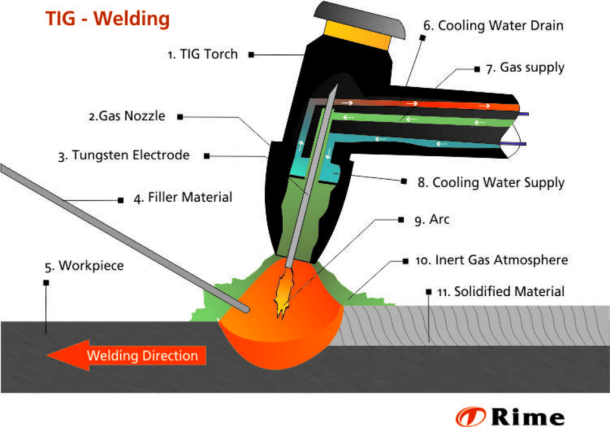
TIG welding, also known as Tungsten Inert Gas welding, is a precise and versatile welding method. It uses a non-consumable tungsten electrode to produce the weld. Understanding the basics of TIG welding is essential before diving into the details of polarity and its effects.
What Is Tig Welding?
TIG welding involves using a tungsten electrode to create an arc that melts the base metal. You add filler material manually if needed, which gives you more control over the weld. The process uses an inert gas, usually argon, to shield the weld from contamination.
Key Components Of Tig Welding
- Tungsten Electrode:A non-consumable electrode that creates the arc.
- Shielding Gas:Argon or helium protects the weld pool from oxygen and nitrogen.
- Power Source:Provides the necessary current and voltage for the arc.
- Filler Rod:Added manually to the weld pool when extra material is needed.
How Tig Welding Works
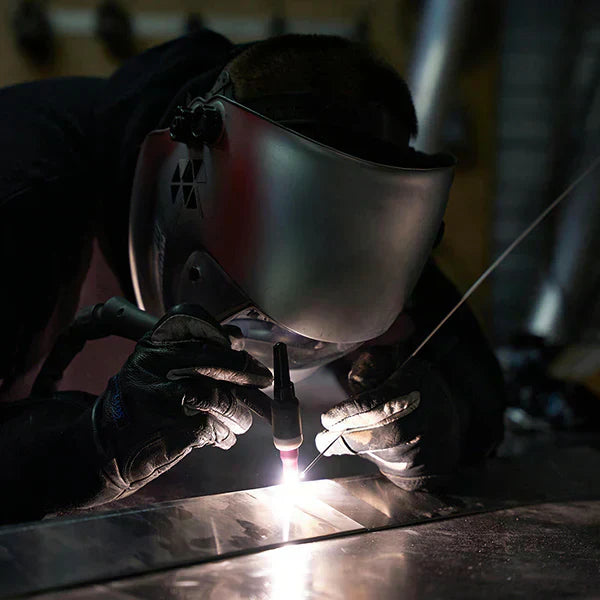
The arc is struck between the tungsten electrode and the workpiece, melting the metal. Shielding gas flows around the electrode and weld area to prevent oxidation. You control the heat and filler material, allowing for precise welds on thin or delicate metals.
Common Applications Of Tig Welding
- Automotive and aerospace industries
- Fabrication of stainless steel structures
- Artistic metalwork and sculpture
- Repair work requiring clean, strong welds
Have you ever wondered why TIG welding is preferred for welding thin metals or critical joints? It’s because of the control you have over heat input and the cleanliness of the weld, which reduces defects and increases strength. Learning these basics sets the stage for understanding how polarity affects the process and results.

Credit: yeswelder.com
Importance Of Polarity
Polarity plays a crucial role in TIG welding. It affects the weld quality and efficiency. Choosing the correct polarity ensures the weld is strong and clean. Wrong polarity can cause weak joints and defects. Understanding polarity helps welders control heat and penetration better.
What Polarity Means In Tig Welding
Polarity refers to the direction of electric current flow. It determines which electrode is positive or negative. TIG welding uses either Direct Current Electrode Negative (DCEN) or Direct Current Electrode Positive (DCEP). Each type changes how heat distributes during welding.
Impact On Weld Quality
Using the correct polarity produces a smooth, clean weld bead. It reduces spatter and contamination. Proper polarity helps achieve deep penetration and strong fusion. Incorrect polarity leads to poor welds with cracks or weak spots.
Effect On Electrode Life
Polarity affects the tungsten electrode’s lifespan. DCEN extends the electrode life by focusing heat on the workpiece. DCEP causes faster electrode wear due to more heat on the tungsten. Choosing the right polarity reduces costs and downtime.
Choosing Polarity For Different Metals
Different metals need different polarities for best results. For example, aluminum welding requires alternating current (AC). Steel and stainless steel usually use DCEN. Knowing the metal type helps select the right polarity for strong welds.
Types Of Polarity In Tig Welding
Understanding the types of polarity in TIG welding is crucial to mastering the process and achieving strong, clean welds. Polarity affects how heat is distributed between the electrode and the workpiece, influencing weld penetration and quality. Knowing which polarity to use can make a significant difference, especially when working with different metals or thicknesses.
Direct Current Electrode Negative (dcen)
In DCEN, the electrode is connected to the negative terminal, and the workpiece is positive. This setup directs more heat to the workpiece, allowing for deeper penetration. It’s perfect for welding thicker materials, as it ensures a strong weld without burning through.
Many welders prefer DCEN for its efficiency and control. Have you ever noticed how your welds feel more stable and less spattered using this polarity? That’s because the electrode stays cooler, extending its life and reducing contamination.
Direct Current Electrode Positive (dcep)
DCEP reverses the connections: the electrode is positive, and the workpiece is negative. This setup puts more heat on the electrode, which can cause it to wear out faster. However, it cleans the surface of the metal by removing oxides, which is helpful for certain materials like stainless steel.
If you’ve struggled with surface contamination or poor weld bead appearance, experimenting with DCEP might improve your results. It’s less common but valuable when surface cleanliness is a priority.
Alternating Current (ac)
AC switches polarity between positive and negative several times per second. This balancing act heats both the electrode and the workpiece, combining the benefits of DCEN and DCEP. AC is often used for welding aluminum and magnesium, metals that form tough oxide layers.
Think about the last time you welded aluminum—did you notice how AC helped break up oxide buildup? That’s the cleaning action in play. Using AC can be tricky, but it’s essential for tackling these challenging materials effectively.
Choosing The Right Polarity
Choosing the right polarity in TIG welding affects weld quality and efficiency. Polarity determines the direction of current flow, influencing heat distribution and weld penetration. Understanding polarity helps match welding settings to the job’s needs.
Material Considerations
Different metals respond best to specific polarities. DCEN (Direct Current Electrode Negative) offers deep penetration, ideal for steel and stainless steel. DCEP (Direct Current Electrode Positive) cleans the surface, useful for aluminum and magnesium. AC (Alternating Current) switches polarity to balance cleaning and penetration, perfect for aluminum.
- Steel: DCEN for strong, deep welds
- Aluminum: AC for cleaning and penetration
- Magnesium: AC or DCEP for surface cleaning
Thickness And Joint Design
Material thickness affects heat input and weld shape. Thin metals need less heat, so DCEN with lower amperage works best. Thick metals require more heat, which DCEN can provide for proper fusion. Joint design also matters; tight joints need precise heat control to avoid burn-through.
| Thickness | Recommended Polarity | Reason |
|---|---|---|
| Thin (under 1/8 inch) | DCEN | Less heat, prevents warping |
| Thick (over 1/8 inch) | DCEN | Deeper penetration, strong welds |
| Aluminum (any thickness) | AC | Balances cleaning and penetration |
Advantages Of Correct Polarity
Choosing the right polarity in TIG welding brings many benefits. It affects how the weld forms and its strength. Using correct polarity helps produce cleaner, stronger welds. It also gives the welder better control over the process. These advantages make polarity a key factor in quality welding.
Improved Weld Quality
Correct polarity reduces welding defects like cracks and porosity. It creates a stable arc and smooth bead appearance. The weld surface becomes cleaner with less oxidation. This leads to a stronger bond between metals. Better weld quality means safer and longer-lasting structures.
Enhanced Penetration And Control
The right polarity allows deeper penetration into the base metal. This ensures a solid joint that can handle stress well. Welders gain better control over heat and speed. It helps avoid burning through thin materials. Precise control makes welding easier and more efficient.
Common Polarity Mistakes
Understanding common polarity mistakes in TIG welding helps avoid poor weld quality. Polarity affects arc stability, penetration, and bead shape. Simple errors can cause weak joints or damage to your materials.
Incorrect Setup
Setting the wrong polarity can ruin your weld. Using DC electrode positive instead of DC electrode negative often leads to poor arc control. This mistake causes excessive heat on the tungsten, making it melt quickly.
Incorrect setup may also create unstable arcs. The weld bead can appear rough and uneven. Check your machine settings carefully before starting to weld.
Material Incompatibility
Different metals require specific polarities for best results. Aluminum typically needs AC polarity for effective cleaning and fusion. Using DC polarity on aluminum may cause contamination or poor weld penetration.
Steel and stainless steel usually weld well with DC electrode negative. Welding these materials with the wrong polarity can result in weak joints or excessive spatter. Always confirm material type and polarity compatibility to avoid problems.
Tips For Adjusting Polarity
Adjusting polarity in TIG welding affects the weld quality and penetration. Proper polarity ensures smooth arcs and strong welds. These tips help set the right polarity for your welding project.
Equipment Settings
Check your welder’s manual before starting. Many machines have switches or dials to change polarity. Choose Direct Current Electrode Negative (DCEN) for most TIG welding jobs. Use Direct Current Electrode Positive (DCEP) for specific metals or thin materials. Ensure cables connect correctly: electrode to negative, workpiece to positive for DCEN. Incorrect connections can cause poor welds or damage.
Trial And Error Method
Test weld on scrap metal similar to your project. Observe the arc stability and bead shape. If the arc is weak or unstable, try switching polarity. Look for smooth, clean weld beads with no spatter. Adjust settings gradually to find the best polarity. Keep notes on what works for different metals and thicknesses.
Polarity And Safety Measures
Understanding polarity in TIG welding is crucial not just for the quality of your welds but also for your safety. Polarity affects how the electric current flows through the welding circuit, which directly impacts heat distribution and metal fusion. Ignoring safety measures related to polarity can lead to accidents or equipment damage.
Protective Gear
Your welding helmet and gloves are non-negotiable essentials. A proper helmet with the right shade protects your eyes from harmful UV and infrared rays that polarity settings influence during the arc. Thick, insulated gloves shield your hands from electric shock and intense heat caused by improper polarity handling.
Wear flame-resistant clothing to protect your skin from sparks and hot metal spatter. Don’t forget safety boots with steel toes to prevent injuries from falling objects or accidental contact with hot surfaces. These simple gear choices reduce risks tied to the electrical nature of TIG welding.
Safe Handling Practices
Always check the polarity settings before starting your weld. Using the wrong polarity can cause unstable arcs or excessive heat buildup, increasing the chance of burns or equipment failure. Make sure your work area is dry and free from conductive materials that could cause unintended current paths.
Keep cables organized and inspect them regularly for damage or wear. Avoid holding the torch for long periods without breaks to prevent fatigue, which can lead to mistakes in polarity adjustment. Have a fire extinguisher nearby and know how to use it; electrical fires can start quickly if polarity causes sparks outside the weld zone.
Credit: www.weldclass.com.au
Frequently Asked Questions
What Polarity Is Commonly Used In Tig Welding?
TIG welding typically uses DCEN (Direct Current Electrode Negative) polarity. It provides better penetration and stable arcs for most metals. DCEN allows the electrode to remain cooler, improving weld quality and control.
Why Is Dcen Preferred Over Dcep In Tig Welding?
DCEN focuses heat on the workpiece, not the electrode. This prevents tungsten contamination and ensures deeper weld penetration. DCEP causes faster electrode wear and less stable arcs, making DCEN more effective for TIG welding.
Can Ac Polarity Be Used In Tig Welding?
Yes, AC polarity is used mainly for welding aluminum and magnesium. AC alternates between electrode positive and negative, cleaning the oxide layer and providing better weld quality on these metals.
How Does Polarity Affect Tig Welding Quality?
Polarity controls heat distribution and arc stability. Correct polarity ensures strong, clean welds and protects the tungsten electrode. Incorrect polarity can cause poor penetration, contamination, and weak welds.
Conclusion
TIG welding polarity affects weld quality and metal fusion. Choosing the right polarity helps control heat and penetration. DCEN suits most metals for smooth, clean welds. DCEP works well for welding aluminum with AC current. Understanding polarity makes welding safer and more precise.
Practice with different settings to see what fits your work. Remember, small changes can impact the weld result. Keep learning and experimenting to improve your skills. Welding becomes easier with clear knowledge of polarity. Simple steps lead to better, stronger welds every time.
About The Author

