

When it comes to GTAW welding, choosing the right tungsten electrode can make all the difference in your results. You might wonder why there are so many types and which one fits your project best.
Understanding the different GTAW tungsten electrode types helps you work smarter, avoid common mistakes, and get cleaner, stronger welds every time. You’ll discover exactly what sets each type apart and how to pick the perfect electrode for your needs. Keep reading—your next weld will thank you.
Tungsten Electrode Basics
Tungsten electrodes are vital in Gas Tungsten Arc Welding (GTAW). They help create a steady arc and produce clean, strong welds. Understanding the basics of tungsten electrodes helps in choosing the right type for welding tasks.
Role In Gtaw Welding
Tungsten electrodes carry the welding current to the arc. They create an electric arc between the electrode and the metal. This arc melts the metal, allowing for precise welding. Tungsten’s high melting point keeps the electrode from melting during welding. It ensures a stable arc and smooth weld bead formation. The electrode shape and type affect arc stability and weld quality.
Material Composition
Tungsten electrodes are made mostly of pure tungsten or tungsten mixed with other elements. Common additives include:
- Thorium
- Lanthanum
- Cerium
- Zirconium
These materials improve arc starting and stability. They also increase electrode lifespan and reduce contamination. Each alloy suits different welding needs and current types. The choice of material affects performance and safety.
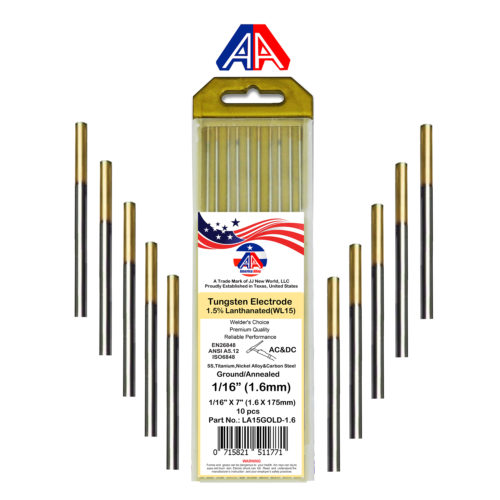
Credit: americaalloy.com
Pure Tungsten Electrodes
Pure tungsten electrodes are the original type of tungsten used in GTAW welding. They consist of 99.5% or more pure tungsten. These electrodes offer a stable arc and good welding performance for many applications. Their bright appearance makes them easy to identify among other tungsten types.
Characteristics And Uses
Pure tungsten electrodes have a low electrical conductivity and high melting point. They provide a smooth, stable arc that is easy to control. These electrodes work best with AC welding, especially on aluminum and magnesium. They are ideal for thin materials and non-ferrous metals.
Common uses include:
- AC welding on aluminum and magnesium
- Light-duty welding tasks
- Projects requiring a clean and stable arc
Advantages And Limitations
Pure tungsten electrodes offer several benefits:
- Stable arc with minimal contamination
- Good for AC welding
- Cost-effective option for many welders
There are also some limitations:
- Lower arc starting ability than other types
- Shorter electrode life
- Not ideal for DC welding or heavy-duty work
Thoriated Tungsten Electrodes
Thoriated tungsten electrodes are a popular choice among welders for Gas Tungsten Arc Welding (GTAW) due to their excellent arc stability and durability. These electrodes contain a small percentage of thorium oxide, which significantly improves their performance. Understanding what makes thoriated tungsten stand out can help you decide if it fits your welding needs.
Properties And Performance
Thoriated tungsten electrodes typically contain 1-2% thorium oxide. This addition lowers the work function of the electrode, making it easier to start the arc and maintain it consistently.
They offer excellent current carrying capacity and resist contamination better than pure tungsten electrodes. This means you get a stable arc and smooth welding experience, especially on carbon steel and stainless steel.
Many welders appreciate how thoriated electrodes last longer and produce less spatter. If you want to achieve precise, clean welds with less electrode wear, these are a strong candidate.
Safety Considerations
Handling thoriated tungsten electrodes requires care because thorium is slightly radioactive. Although the radiation levels are low, inhaling dust from grinding these electrodes can pose health risks.
Always use a proper ventilation system or a fume extractor when sharpening or grinding your electrodes. Wearing a mask designed to filter fine particles is also a must to protect your lungs.
Disposing of used thoriated electrodes should follow local regulations for radioactive materials. Taking these precautions will ensure you benefit from their performance without compromising your safety.

Credit: unimig.com.au
Ceriated Tungsten Electrodes
Ceriated tungsten electrodes stand out in the world of GTAW welding for their unique blend of durability and ease of use. They contain a small percentage of cerium oxide, which enhances arc starting and stability. This makes them a favorite among welders who work with low current settings and require a smooth, consistent arc.
Benefits In Low Current Welding
Ceriated electrodes excel when welding at low currents. Their composition allows for easier arc initiation, which means you spend less time struggling to start the weld. The arc remains stable and steady, reducing the chance of contamination and defects.
If you’ve ever faced the frustration of an unstable arc during delicate welds, you’ll appreciate how ceriated tungsten minimizes this issue. It also produces less tungsten spitting, keeping your weld area cleaner and improving overall weld quality.
Common Applications
These electrodes are widely used in industries where precision is key. They are ideal for welding thin materials, such as stainless steel and aluminum, where controlling heat input is critical. Aerospace and automotive manufacturing often rely on ceriated tungsten for tasks that demand clean, strong welds.
Have you tried welding thin gauge metals or intricate parts? Using ceriated tungsten might just improve your control and reduce the risk of burn-through or warping. Their versatility also makes them suitable for both AC and DC welding processes, adding to their practical appeal.
Lanthanated Tungsten Electrodes
Lanthanated tungsten electrodes are a popular choice in GTAW welding. They contain small amounts of lanthanum oxide, which improves welding performance. These electrodes offer a balance of easy arc starting and good arc stability. They work well across different welding currents and materials.
Durability And Arc Stability
Lanthanated electrodes last longer than pure tungsten. They resist contamination and wear during welding. Their arc stays steady and smooth, reducing spatter. This stability helps welders create clean, precise welds. The electrodes also maintain shape better under high temperatures. This makes them reliable for extended use.
Preferred Welding Scenarios
These electrodes suit many metals, including steel, stainless steel, and aluminum. They perform well with both AC and DC currents. Ideal for thin and thick materials, they provide good control. Lanthanated electrodes fit well in automotive, aerospace, and fabrication work. They are also preferred for TIG welding tasks that demand accuracy.
Zirconiated Tungsten Electrodes
Zirconiated tungsten electrodes stand out in the GTAW welding world for their unique composition and reliable performance. They contain a small amount of zirconium oxide, which enhances their stability and lifespan during welding. If you’re looking for an electrode that balances durability and smooth arc starts, these might be just what you need.
Heat Resistance Features
Zirconiated tungsten electrodes handle heat exceptionally well. Their zirconium oxide content increases their melting point, allowing them to withstand higher temperatures without deforming.
This makes them less prone to contamination and cracking during prolonged welding sessions. You’ll notice fewer electrode replacements and more consistent weld quality over time.
Have you ever struggled with electrodes melting too fast? Switching to zirconiated types can reduce that frustration significantly.
Ideal Usage Conditions
These electrodes perform best with AC welding, especially when working on aluminum and magnesium. Their ability to maintain a stable arc under alternating current is a real advantage.
They are also great when you need a smooth arc without frequent re-strikes, which helps in achieving cleaner welds. If your work involves thin materials or requires precision, zirconiated electrodes can improve your control.
Consider using them in situations where electrode longevity and arc stability are key priorities. Have you tried using zirconiated electrodes on high-frequency AC? You might be surprised at how much easier your welding becomes.
Electrode Selection Tips
Choosing the right tungsten electrode is key to achieving strong, clean welds in GTAW (Gas Tungsten Arc Welding). Your electrode choice influences arc stability, weld penetration, and overall quality. Let’s look into some practical tips to help you pick the best electrode for your specific welding needs.
Matching Electrode To Material
Different metals demand different tungsten types for optimal results. For example, pure tungsten (green tip) works well with aluminum and magnesium, while thoriated tungsten (red tip) is better suited for steel and stainless steel.
Think about the material’s thermal conductivity and melting point. Using the wrong electrode can cause contamination or poor arc control. Have you ever tried welding stainless steel with a pure tungsten electrode? The arc might wander, making your weld less precise.
Considering Current Type
Are you using AC or DC current? This matters for electrode selection. Pure tungsten electrodes perform best on AC, as they maintain a stable arc without contamination.
On the other hand, thoriated or ceriated electrodes excel with DC current, offering better arc starts and longevity. Matching your electrode to the current type improves efficiency and reduces electrode wear.
Balancing Performance And Cost
Higher performance electrodes like lanthanated tungsten cost more but last longer and provide better arc stability. If you weld frequently or on critical projects, investing in quality electrodes pays off.
However, if you’re working on non-critical or occasional jobs, basic pure tungsten electrodes might suffice. Ask yourself: does the job justify spending extra on premium electrodes, or will a standard type get the work done?
Sharpening And Maintenance
Sharpening and maintaining your GTAW tungsten electrodes is crucial for achieving clean, stable arcs and high-quality welds. Neglecting this aspect can lead to contamination, poor arc starts, and inconsistent welds. Understanding the right way to prepare and care for your electrodes will save you time and improve your overall welding results.
Proper Electrode Preparation
Start by grinding your tungsten electrode to a sharp point using a dedicated tungsten grinder or a belt grinder. Avoid using a regular bench grinder, as it can contaminate the electrode with unwanted metals.
Hold the electrode steady and rotate it to create a symmetrical point. This shape helps focus the arc and improves arc stability. Remember, different welding applications might require different tip shapes—sharpened for DC welding or slightly rounded for AC welding.
- Use a clean, dry grinder wheel made specifically for tungsten.
- Keep the electrode cool while grinding to prevent overheating.
- Clean the electrode after grinding to remove any debris or metal particles.
Extending Electrode Life
Proper maintenance extends the life of your tungsten electrodes and keeps your weld quality consistent. Always keep electrodes clean and free from oxidation by storing them in a dry, sealed container when not in use.
Use the right amperage settings to avoid overheating. Running too high a current can cause the tungsten to burn off quickly, reducing its lifespan. If you notice discoloration or pitting on the electrode tip, it’s a sign to regrind or replace it.
- Avoid touching the electrode with bare hands to prevent oils and dirt from contaminating the tip.
- Regularly inspect electrodes for cracks or damage before welding.
- Sharpen electrodes only as needed—over-grinding wastes material and weakens the tip.
Have you ever struggled with unstable arcs or inconsistent weld beads? Take a moment to check your electrode’s preparation and condition—it might be the simple fix you need.

Credit: www.ebay.com
Frequently Asked Questions
What Are The Main Types Of Gtaw Tungsten Electrodes?
The main types include pure tungsten, thoriated, ceriated, lanthanated, and zirconiated electrodes. Each type suits specific welding applications and materials, affecting arc stability and lifespan.
How Do Thoriated Tungsten Electrodes Differ From Others?
Thoriated electrodes contain thorium oxide, offering excellent arc stability and longevity. They are ideal for DC welding but require careful handling due to slight radioactivity.
Which Tungsten Electrode Is Best For Aluminum Welding?
Pure tungsten electrodes are best for aluminum welding with AC current. They provide a stable arc and reduce contamination during the welding process.
Why Choose Lanthanated Tungsten Electrodes For Gtaw?
Lanthanated electrodes offer superior arc starting and stability with both AC and DC currents. They are versatile and have a longer lifespan than pure tungsten.
Conclusion
Choosing the right GTAW tungsten electrode type matters a lot. Each type works best for specific metals and jobs. Using the correct electrode improves weld quality and reduces problems. Remember to match electrode type with your welding needs. This helps save time and materials.
Keep practicing to understand how each electrode performs. Quality welding depends on good choices and skill. Stay informed, and your welding results will improve steadily.
About The Author

