
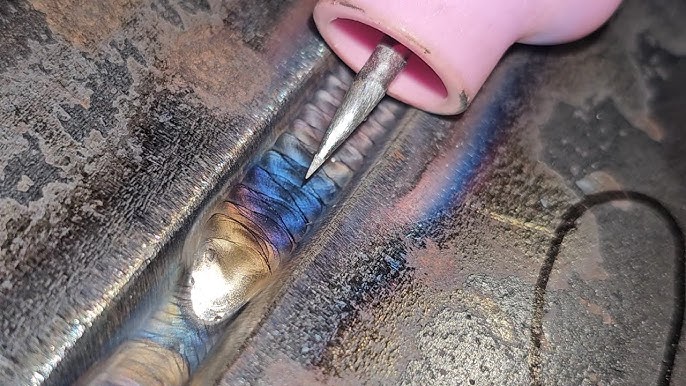
If you want to join steel pieces with clean, strong, and precise welds, learning how to TIG weld steel is the key. TIG welding gives you control and accuracy that other methods can’t match.
Whether you’re fixing something around the house or starting a new project, mastering this skill will boost your confidence and results. In this guide, you’ll discover simple steps and insider tips to help you TIG weld steel like a pro.
Ready to take your welding skills to the next level? Keep reading and unlock the secrets to perfect steel welds.
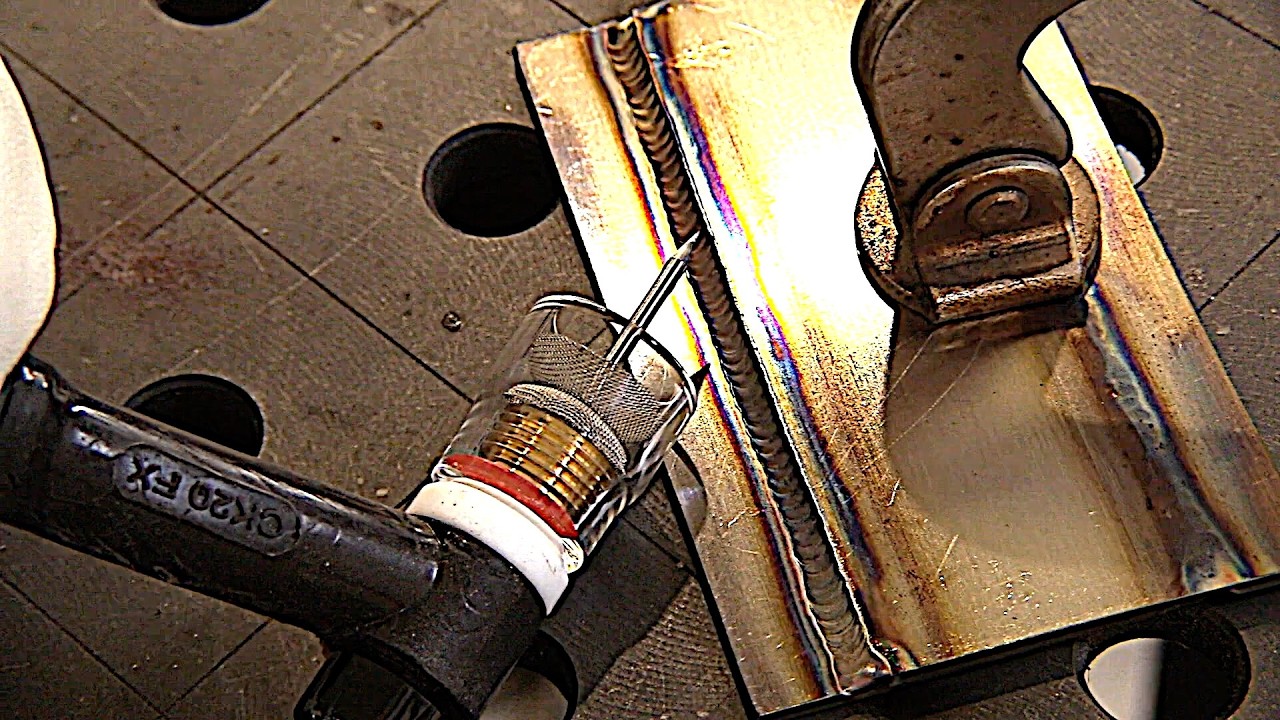
Credit: www.youtube.com
Tig Welding Basics
TIG welding, or Tungsten Inert Gas welding, is a precise way to join steel. It uses a non-consumable tungsten electrode to create the weld. This process produces clean, strong welds that are ideal for thin steel sheets and detailed work.
Understanding the basics of TIG welding helps beginners start with confidence. Knowing the right tools and safety steps keeps the work smooth and safe.
Essential Equipment
- TIG welding machine – controls current and voltage.
- Tungsten electrode – creates the arc for welding.
- Filler rod – adds extra metal to the joint.
- Protective torch – holds the electrode and directs gas flow.
- Shielding gas – usually argon, protects weld from contamination.
- Ground clamp – completes the electric circuit.
- Welding helmet – protects eyes and face from sparks and UV light.
- Gloves and protective clothing – guard against burns and UV exposure.
Safety Precautions
- Wear a welding helmet with the right shade lens.
- Use fire-resistant gloves and long sleeves.
- Work in a well-ventilated area to avoid gas buildup.
- Keep flammable materials away from the welding zone.
- Check all equipment for damage before starting.
- Never touch the electrode or metal parts while welding.
- Use ear protection if noise levels are high.
- Have a fire extinguisher nearby for emergencies.
Selecting The Right Tungsten Electrode
Selecting the right tungsten electrode is crucial for achieving strong, clean TIG welds on steel. The electrode affects arc stability, weld quality, and overall control. Understanding the types and sizes available can save you time and frustration on the job.
Types Of Tungsten
Tungsten electrodes come in several types, each with a specific purpose. The most common are:
- Pure Tungsten (Green): Rarely used for steel because it produces an unstable arc.
- 2% Thoriated (Red): Excellent arc stability and easy to start. Ideal for DC welding steel.
- 2% Ceriated (Orange): Good for low amperage welding and offers a smooth arc.
- 2% Lanthanated (Blue): Versatile and performs well at a range of currents on steel.
- 1.5% Lanthanated (Gold): Similar to 2% lanthanated but with slightly better arc starting.
Choosing the right type depends on your specific welding needs. For most steel projects, I recommend 2% thoriated or lanthanated electrodes for their stability and ease of use.
Choosing The Correct Size
The diameter of your tungsten electrode should match the amperage of your welding machine. Too small, and the electrode will overheat quickly. Too large, and you lose precise control over the arc.
| Tungsten Diameter | Recommended Amperage Range |
|---|---|
| 1/16 inch (1.6 mm) | 5-40 amps |
| 3/32 inch (2.4 mm) | 30-130 amps |
| 1/8 inch (3.2 mm) | 90-230 amps |
| 5/32 inch (4.0 mm) | 140-315 amps |
Ask yourself: What amperage do you usually weld at? Matching electrode size to amperage lets you maintain a stable arc and better weld quality.
Preparing Steel For Welding
Preparing steel correctly is vital for a strong TIG weld. Proper prep ensures clean joints and better weld quality. This step reduces defects and makes welding easier. Steel must be free of dirt, oil, rust, and moisture. Proper positioning holds the steel steady during welding. Taking time to prepare steel improves the final weld strength and appearance.
Cleaning And Removing Contaminants
Start by wiping the steel with a clean cloth. Use a solvent like acetone to remove oil and grease. Rust and mill scale must be removed using a wire brush or grinder. Dirt and paint can cause weak welds and porosity. Clean all surfaces near the weld area thoroughly. Avoid touching the cleaned steel with bare hands afterward. Clean steel helps the TIG torch create a smooth, even weld bead.
Positioning And Clamping
Place the steel pieces in the desired welding position. Use clamps or magnets to hold the parts firmly. Proper clamping stops movement during welding. Check alignment carefully before starting the weld. Poor positioning can cause gaps or uneven welds. Ensure good access for the TIG torch to reach the joint. Stable steel pieces make welding safer and more precise.
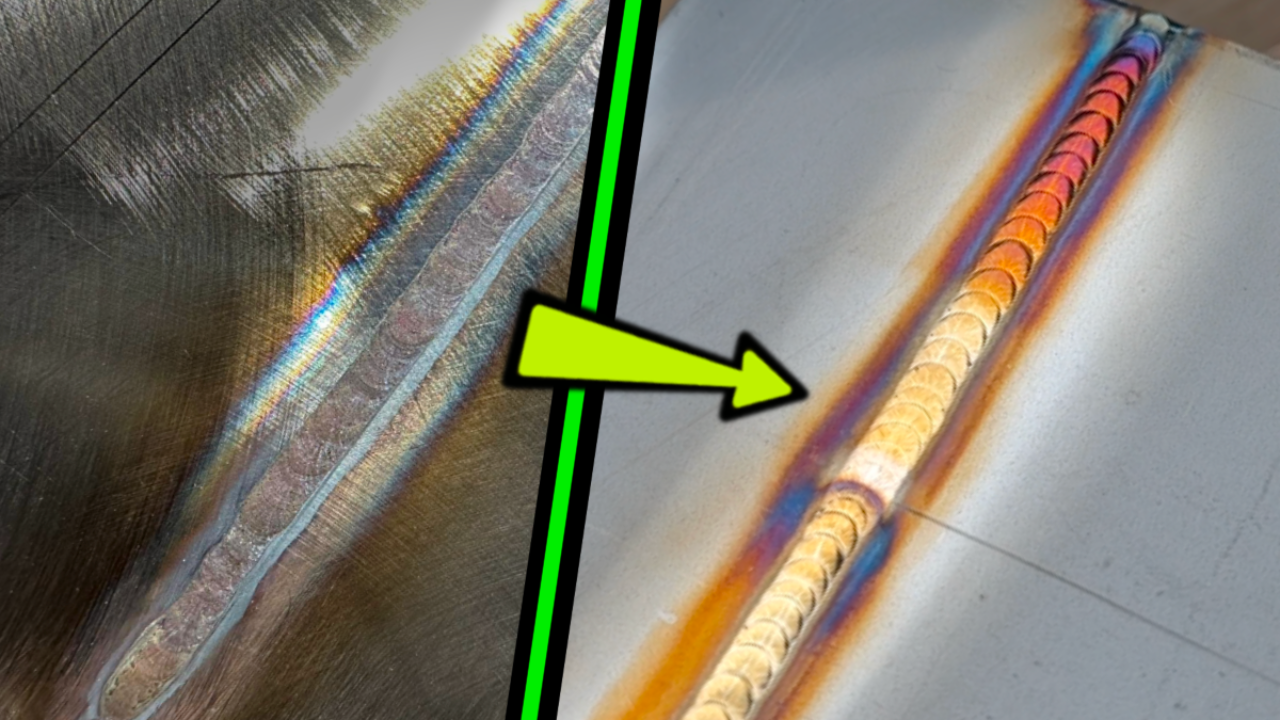
Credit: www.pacificarctigwelding.com
Setting Up The Welding Machine
Setting up your TIG welding machine correctly is the foundation for clean, precise welds on steel. Every adjustment you make affects the quality of your work, so taking the time to get it right saves frustration and material waste. Let’s focus on two key adjustments: amperage and gas flow, which directly impact the arc and the protection of your weld.
Adjusting Amperage
The amperage controls how much heat the machine produces. Too low, and the weld won’t penetrate the steel properly. Too high, and you risk burning through the metal or creating a weak weld.
Think about the thickness of the steel you’re welding. For thin sheets, around 18 gauge, start with about 50 amps. For thicker pieces, like 1/4 inch steel, 150 amps might be necessary. It’s not an exact science, so try test welds to see how the metal reacts.
Ask yourself: Is the weld pool steady and controllable? If it’s too fluid or sputtering, adjust the amperage slightly up or down. Your goal is a smooth, even arc that melts the steel just enough to fuse without excess spatter.
Fine-tuning Gas Flow
Shielding gas protects your weld from oxidation and contamination. Argon is the standard choice for steel TIG welding. Setting the correct flow rate is crucial — too little gas allows air to mix in, causing porosity in the weld.
Most welders recommend a flow rate between 15 and 20 cubic feet per hour (CFH), but your environment matters. If you’re welding outdoors or in a drafty area, increase the flow slightly to ensure consistent shielding.
Have you noticed a hissing sound or gas turbulence? That’s a sign your flow might be too high. High gas flow not only wastes argon but can also create turbulence that pulls air into the weld zone.
Check your regulator and hose connections for leaks before starting. Even the smallest leak can reduce gas effectiveness and ruin your weld quality. Remember, consistent gas flow means a cleaner, stronger weld every time.
Mastering The Welding Technique
Mastering the welding technique takes patience and practice. TIG welding steel requires control and precision. Small mistakes can affect the quality of the weld. Focus on developing steady movements and managing the welding arc properly. These skills help create clean, strong joints.
Controlling The Arc
The arc is the heart of TIG welding. Keep the arc length short and consistent. A long arc causes splatter and weak welds. Hold the torch steady, about 1/8 inch from the metal surface. Adjust the amperage to match the steel thickness. Watch the arc cone closely. A sharp, bright cone means good control. Avoid touching the tungsten to the workpiece. This can contaminate the weld and tungsten tip.
Maintaining A Steady Hand
A steady hand guides the weld bead smoothly along the joint. Use your elbow and arm to support the torch. Keep your wrist relaxed to reduce shaking. Move at a consistent speed to avoid uneven welds. Pause slightly at corners or changes in direction. Use both hands if needed—one for the torch, one for the filler rod. Practice simple straight lines before trying complex shapes. Steady hands improve weld appearance and strength.
Common Mistakes And How To Avoid Them
TIG welding steel demands precision and care. Many beginners face common mistakes that affect weld quality. Avoiding these errors leads to cleaner, stronger welds. Focus on key areas like contamination and heat control.
Preventing Contamination
Contamination weakens welds and causes defects. Dirt, oil, and rust on steel surfaces reduce weld quality. Always clean the metal before welding. Use a wire brush or grinder to remove impurities.
Keep your welding area clean. Avoid touching the tungsten electrode with bare hands. Oils from skin cause contamination. Store electrodes in a clean, dry place.
Use proper shielding gas flow. Insufficient gas allows air to mix with the weld pool. This causes oxidation and porosity. Check gas hoses and connections for leaks.
Avoiding Overheating
Overheating steel changes its structure and weakens the weld. Too much heat causes warping and burn-through. Control heat by adjusting amperage to match material thickness.
Use short, steady welds and let the metal cool between passes. Avoid holding the torch in one spot too long. Keep a consistent travel speed to prevent overheating.
Use a heat sink or backing bar for thin materials. This helps absorb excess heat. Monitor the weld puddle carefully to maintain proper temperature.
Post-weld Inspection And Finishing
Post-weld inspection and finishing are key to strong, clean TIG welds on steel. This stage ensures weld quality and prepares the joint for use or painting. Careful examination and proper cleaning improve weld appearance and durability.
Checking For Defects
Inspect the weld closely for cracks, porosity, or incomplete fusion. Use good lighting and magnification if needed. Run your hand gently over the weld to feel for rough spots or sharp edges. Look for discoloration or warping around the weld area.
Common defects include:
- Cracks that weaken the joint
- Porosity caused by trapped gas
- Undercutting along the weld edges
- Incomplete penetration or fusion
Address defects by grinding or rewelding. A clean, defect-free weld ensures safety and strength.
Polishing And Cleaning
Remove slag, spatter, and oxidation to polish the weld. Use a wire brush or grinder with a flap disc for smooth results. Clean the area with a cloth and solvent like acetone to remove oils and dirt.
Polishing improves weld look and helps paint or coatings stick better. It also reduces corrosion risk by eliminating rough surfaces where rust can start. Finish by wiping the steel with a clean cloth to leave it shiny and ready for the next step.

Credit: www.youtube.com
Advanced Tips For Expert Welders
Advanced TIG welding techniques push your skills beyond the basics. These tips help weld complex joints with precision and adapt to various steel types. Precision and control matter most in expert welding. Fine-tuning your approach improves weld strength and appearance.
Techniques For Complex Joints
Complex joints require steady hands and careful planning. Use a low amperage setting for thin materials to avoid burn-through. Maintain a consistent travel speed to ensure even heat distribution. Adjust the torch angle to reach tight corners and difficult positions. Pause briefly on weld puddles to allow proper fusion. Consider backing bars or chill bars for better heat control. Practice weaving patterns like the crescent or zigzag to fill wide gaps smoothly.
Optimizing For Different Steel Types
Each steel type behaves differently under heat. Mild steel needs higher amperage and a slightly longer arc length. Stainless steel requires lower heat to prevent warping and discoloration. Use pure argon gas for stainless steel for cleaner welds. Carbon steel benefits from a mix of argon and CO2 for better penetration. Adjust filler rod composition to match the base metal for stronger joints. Clean the metal surface thoroughly to remove rust and oil before welding. Monitor cooling rates to avoid cracks and distortions in all steel types.
Frequently Asked Questions
What Is The Best Steel Type For Tig Welding?
Stainless steel and mild steel are ideal for TIG welding. They offer strong, clean welds and good heat control. These steels respond well to the precise heat TIG welding provides.
How Do You Prepare Steel Before Tig Welding?
Clean the steel surface thoroughly to remove rust, oil, and paint. Use a wire brush or grinder to ensure a clean weld area. Proper preparation ensures stronger, defect-free welds.
What Tig Welding Settings Work Best For Steel?
Use a DC negative electrode with 10-20 amps for thin steel. Adjust amperage based on steel thickness. Balance heat to avoid warping or burn-through during welding.
How Do You Avoid Contamination In Tig Steel Welding?
Use a clean tungsten electrode and proper shielding gas like pure argon. Avoid touching the electrode to the weld pool. This prevents impurities and ensures a clean weld.
Conclusion
TIG welding steel takes practice and patience. Keep your tools clean and settings right. Watch the weld pool closely while working. Control your speed to avoid mistakes. Use the right filler rod for strong joints. Safety gear protects you from sparks and heat.
Each weld improves your skill and confidence. Stick with it, and your work will shine. Welding steel well opens many project doors. Try often, and enjoy the learning process.
About The Author

