
If you’re diving into TIG welding, one question you might have is: what gas do you need to get the best results? Choosing the right gas can make a huge difference in the quality of your welds.
It affects everything from how easy it is to work with the metal, to how strong and clean your finished product looks. You’ll discover exactly which gases are used for TIG welding and why they matter for your projects. By the end, you’ll feel confident picking the perfect gas to improve your welding skills and create flawless joints every time.
Keep reading to unlock the secret behind great TIG welds!
Credit: www.adamsgas.co.uk
Basics Of Tig Welding
TIG welding is a precise method that joins metals using heat from an electric arc. It produces clean and strong welds. This technique works well on thin metals and allows great control over the weld pool. Understanding the basics helps in choosing the right gas and tools for the job.
Principles Of Operation
TIG welding uses a tungsten electrode to create an electric arc. The arc melts the metal pieces to join them. A shielding gas protects the weld area from air and contamination. The welder can add filler metal manually if needed. This process requires a steady hand and good technique.
Equipment Required
- TIG welding machine with adjustable current settings
- Non-consumable tungsten electrode
- Shielding gas supply with regulator and flow meter
- Filler rods for adding material to the weld
- Protective gear like gloves, helmet, and apron
- Work clamps and grounding cables

Credit: www.tifacparts.com
Importance Of Shielding Gas
Shielding gas plays a vital role in TIG welding. It creates a protective atmosphere around the weld. This protection is necessary for strong, clean welds. Without proper shielding gas, weld quality suffers. Understanding its importance helps improve welding results.
Protecting The Weld Pool
The weld pool is the molten metal during welding. Shielding gas surrounds this pool. It stops air from touching the hot metal. Air contact causes defects and weak welds. Shielding gas keeps the weld pool stable and clean.
Preventing Contamination
Air contains oxygen, nitrogen, and hydrogen. These gases cause contamination in welds. Contaminants create porosity and cracks in weld metal. Shielding gas acts as a barrier against these gases. This ensures a solid and durable weld joint.
Common Gases For Tig Welding
Choosing the right gas for TIG welding can make a big difference in your welding quality and efficiency. Different gases affect the weld’s heat, appearance, and overall strength. Knowing the common gases helps you pick what suits your specific project and materials.
Argon: The Standard Choice
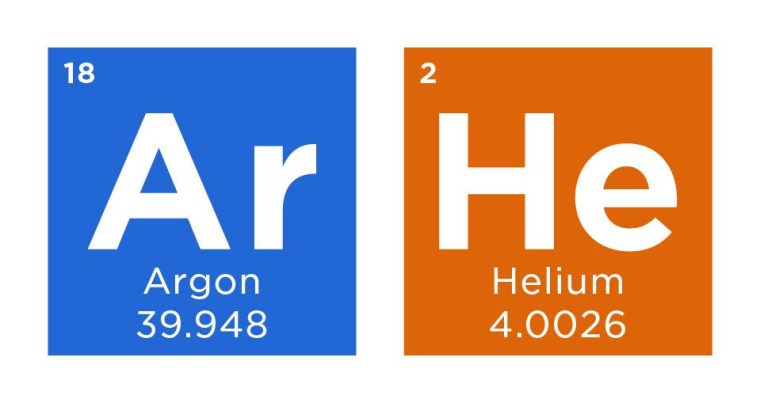
Argon is the most popular gas for TIG welding. It provides excellent shielding from air, preventing oxidation and contamination. Its smooth arc makes it easier to control, which is why many welders, including myself, rely on it for precision work.
Argon works well on most metals, including aluminum and stainless steel. If you want clean, strong welds with minimal spatter, argon is usually your best bet.
Helium: Enhancing Heat
Helium increases the heat of the welding arc, which helps when working with thicker metals. This extra heat means deeper weld penetration and faster welding speeds.
Using helium can be a game-changer for heavy-duty projects, but it’s often mixed with argon to balance cost and performance. Have you noticed how helium changes your weld pool behavior?
Mixtures And Their Benefits
Combining argon and helium offers a balance of control and heat. These blends improve weld quality on materials like copper and stainless steel.
Some welders add small amounts of hydrogen or oxygen to argon to improve arc stability and weld bead appearance. Experimenting with gas mixtures can help you find the perfect setup for your welding needs.
Factors Influencing Gas Choice
Choosing the right gas for TIG welding depends on several key factors. Each factor affects the quality and strength of the weld. Selecting the proper gas ensures better control and cleaner results. Understanding these influences helps welders make informed decisions.
Material Type And Thickness
The type of metal being welded impacts the gas choice. Different metals react uniquely to shielding gases. For example, stainless steel often requires pure argon or argon with small helium additions. Aluminum usually needs argon or argon-helium mixes for better heat and penetration.
Thickness also matters. Thin metals need gases that provide smooth and stable arcs. Thicker materials benefit from gases that offer deeper penetration and faster welding speeds. Adjusting the gas mix can reduce defects and improve weld strength.
Welding Position And Technique
The position of the weld changes gas requirements. Vertical or overhead welding demands gases that help control the molten pool. Flat welding allows more flexibility in gas choice. Some gases prevent oxidation better in tricky positions.
Technique plays a role as well. Pulsed TIG welding may need different gas mixes than steady welding. The gas must support the chosen technique to maintain arc stability. This helps in creating clean and precise welds.
Gas Flow Rate And Pressure
Gas flow rate and pressure play a crucial role in TIG welding quality. The right flow rate protects the weld pool from oxidation and contamination. Proper pressure ensures smooth gas delivery without leaks or turbulence. Both factors affect weld strength and appearance.
Determining Optimal Rates
Set the gas flow rate between 15 and 20 cubic feet per hour (CFH) for most TIG welding jobs. This range provides enough shielding without wasting gas. Adjust flow based on welding position and material thickness.
- Lower flow rates risk poor shielding and weld defects.
- Higher flow rates cause gas turbulence and wasted gas.
- Use a flow meter to measure and control flow precisely.
Adjusting For Different Conditions
Wind, drafts, and outdoor welding require increased flow rates. Outdoor use may need 20 to 25 CFH for effective shielding. Taller weld joints or overhead positions sometimes need slight adjustments as well.
Gas pressure should stay steady around 15 to 25 psi for most setups. Check regulator settings and hoses for leaks or damage. Proper pressure ensures consistent gas flow and weld quality.
Cost Considerations
Choosing the right gas for TIG welding affects costs significantly. The price of gases varies depending on type and purity. Considering cost helps balance budget and welding quality. Efficient use of gas also reduces expenses over time.
Budget-friendly Options
Argon is the most common gas for TIG welding. It offers good weld quality at a moderate price. Some welders mix argon with small amounts of helium or hydrogen. These mixes may cost more but improve weld speed and appearance.
Helium is more expensive than argon but increases heat and welding speed. Pure helium is less common due to higher costs. Argon blends reduce total expenses without losing quality.
Efficiency And Waste Reduction
Using the correct gas flow rate saves money. Too high flow wastes gas and increases costs. Too low flow causes poor welds and defects.
Proper storage and handling prevent gas leaks and loss. Regular equipment checks keep gas use efficient. Choosing high-quality regulators and hoses reduces leaks.
Smaller gas cylinders may cost more per unit but reduce waste for occasional welders. Large cylinders suit heavy users and lower cost per volume.
Safety Precautions
Safety should never be an afterthought when working with TIG welding gases. These gases, while essential for quality welds, pose risks if not handled correctly. Taking proper precautions protects you, your workspace, and your equipment from accidents.
Handling Gas Cylinders
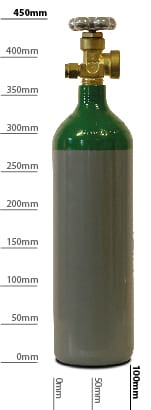
Gas cylinders are heavy and pressurized, so handle them with care. Always secure cylinders upright to prevent tipping, and use proper carts or dollies when moving them.
Check the cylinder valve and regulator for leaks before connecting to your welder. If you notice a hissing sound or smell gas, shut off the valve immediately and ventilate the area.
Never force connections or use damaged hoses. Using the right tools and inspecting equipment regularly can save you from dangerous gas leaks.
Ensuring Proper Ventilation
Welding gases like argon and helium displace oxygen, which can cause suffocation in enclosed spaces. Always weld in a well-ventilated area, or use exhaust systems to remove fumes and gases.
Have you checked your workspace airflow recently? Even a small change in ventilation can make a big difference in safety and comfort.
Consider installing carbon monoxide detectors if you weld indoors, as some shielding gases may produce harmful byproducts during welding. Your health depends on clean air as much as on quality welds.

Credit: www.adamsgas.co.uk
Tips For Achieving Perfect Welds
Perfect TIG welds require more than just the right gas. Attention to detail and good habits make a big difference. Small steps in preparation and technique improve results. These tips help create clean, strong welds every time.
Maintaining Equipment
Clean your torch regularly. Dirt or debris can affect gas flow and arc stability. Check hoses and connections for leaks. Replace worn parts quickly to avoid problems during welding. Use the correct tungsten type and keep it sharp. A well-maintained machine gives consistent output and better control.
Practicing Consistency
Keep a steady hand and maintain a constant speed. Consistent travel speed helps avoid weak spots in the weld. Hold the torch at a stable angle for even heat distribution. Use the right gas flow rate to protect the weld pool. Practice welding beads on scrap metal to build muscle memory. Consistency leads to cleaner, stronger welds.
Frequently Asked Questions
What Gas Is Commonly Used For Tig Welding?
Argon gas is most commonly used for TIG welding. It provides a stable, inert atmosphere that prevents oxidation and contamination during welding.
Why Is Argon Preferred For Tig Welding?
Argon offers excellent arc stability and protects the weld pool. Its inert nature prevents reactions with the metal, ensuring clean, high-quality welds.
Can Other Gases Be Used For Tig Welding?
Yes, gases like helium or argon-helium mixtures are sometimes used. They enhance heat input and improve weld penetration on specific metals.
How Does Gas Choice Affect Tig Weld Quality?
The shielding gas impacts arc stability, heat control, and weld cleanliness. Proper gas selection ensures strong, defect-free welds suitable for different materials.
Conclusion
TIG welding mainly uses argon gas for shielding. Argon protects the weld from air and moisture. Sometimes, small amounts of helium or hydrogen mix with argon. These mixes can improve weld quality and heat control. Choosing the right gas depends on the metal type and welding needs.
Using proper gas ensures strong, clean welds every time. Understanding gas choices helps welders work with confidence and skill. Keep experimenting to find what works best for your projects. The right gas makes all the difference in TIG welding success.
About The Author

