
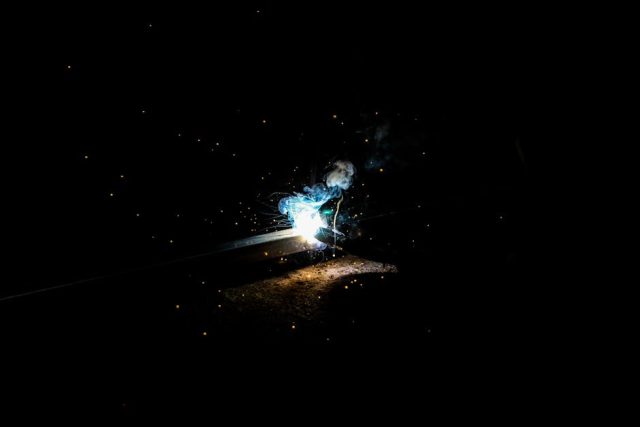
Have you ever wondered what makes arc welding such a powerful and versatile technique in metal fabrication? If you’re curious about how professionals achieve those strong, seamless welds, you’re in the right place.
Understanding the concept of an “arc” in arc welding is essential to grasp the process’s magic. Imagine wielding electricity to melt and join metal pieces with precision—sounds intriguing, right? This article will demystify the arc, revealing its role and why it’s crucial in welding.
By the end, you’ll have a clear picture of how arc welding can transform your projects and elevate your skills. Ready to dive into the world of arc welding and enhance your understanding? Let’s get started!
Arc Welding Basics
Arc welding is a popular technique in the metalworking industry. It uses an electric arc to melt metals, joining them together. Understanding its basics helps in appreciating its efficiency and versatility.
What Is Arc In Arc Welding?
An arc in arc welding is a sustained electrical discharge. It travels between the electrode and the base metal. This creates intense heat capable of melting metals.
The arc forms when electricity jumps across a gap. This happens between the electrode and the metal piece. The heat from the arc melts the metals, forming a weld.
Arc Welding Equipment
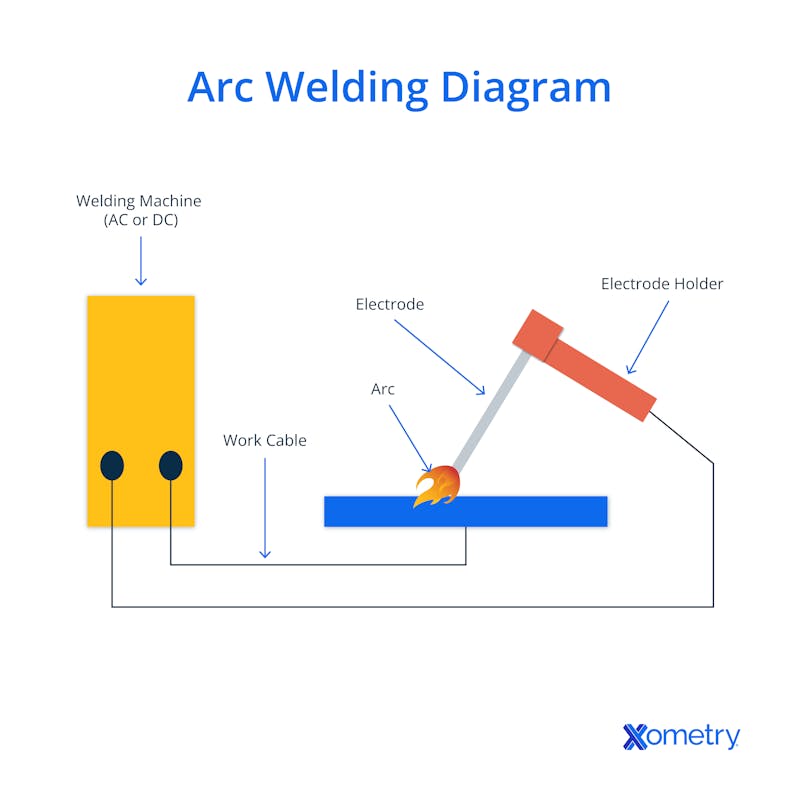
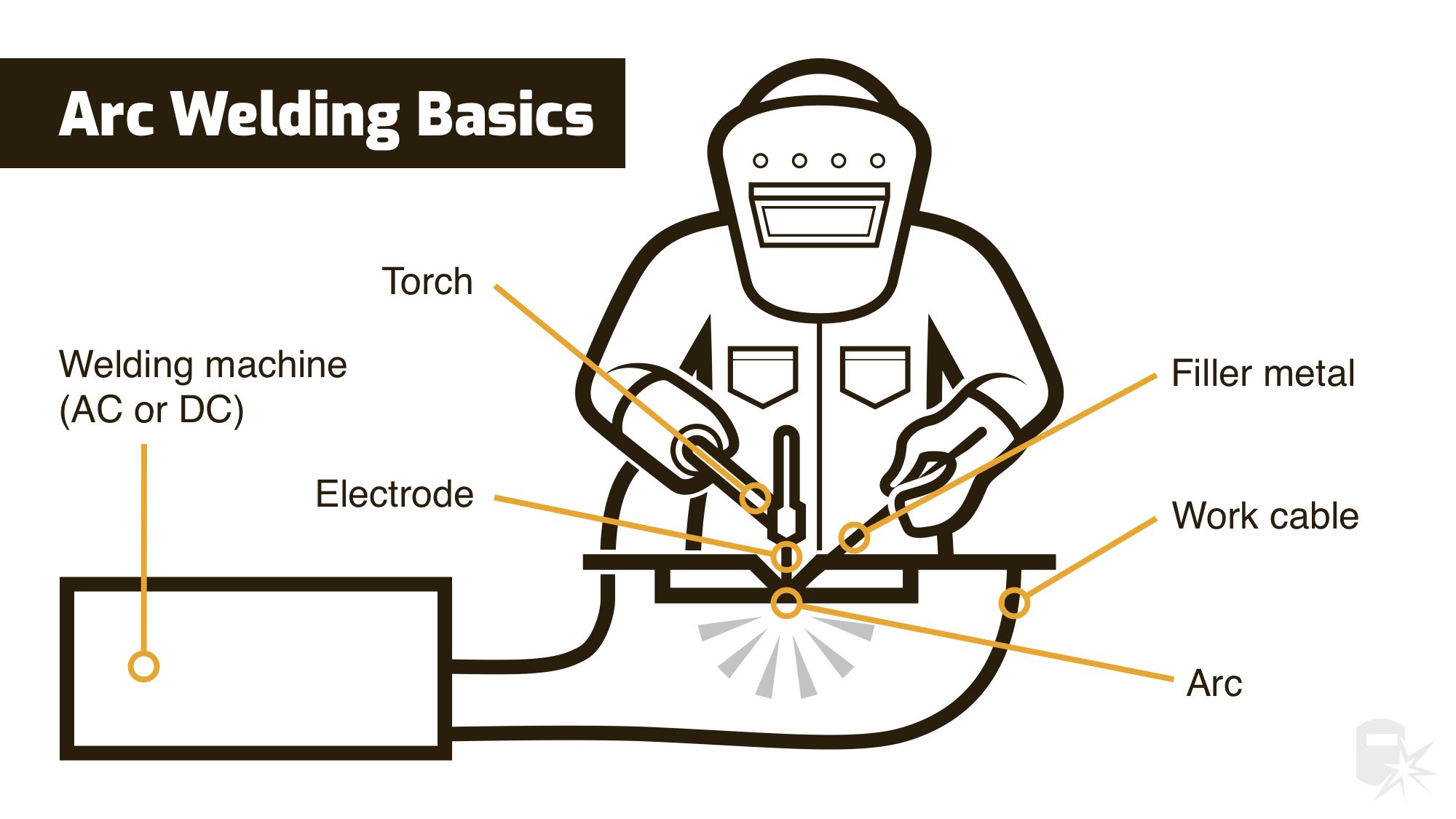
Arc welding requires specific equipment. This includes a welding machine, an electrode holder, and electrodes. The machine generates the electrical current needed for welding.
Electrodes conduct the electricity to the workpiece. Electrode holders keep the electrodes in place, ensuring a steady arc.
There are various types of arc welding. Shielded Metal Arc Welding (SMAW) is common. It uses a consumable electrode coated in flux.
Gas Tungsten Arc Welding (GTAW) uses non-consumable tungsten electrodes. It produces cleaner welds, ideal for thin materials.
Safety In Arc Welding
Safety is crucial in arc welding. Proper protective gear is essential. This includes welding helmets, gloves, and aprons.
Helmets protect the eyes from intense light. Gloves and aprons shield the skin from sparks and heat.
Credit: www.xometry.com
Components Of An Arc
Understanding the components of an arc in arc welding can significantly enhance your welding skills. Each component plays a crucial role in ensuring a stable and effective weld. By grasping how these elements work together, you can improve your technique and achieve better results.
Electrode Details
The electrode is more than just a tool; it’s the heart of the welding process. It conducts current and creates the arc that melts the base metal. Electrodes come in various types and sizes, each suited to different materials and welding positions.
Have you ever struggled with maintaining a steady arc? The choice of electrode could be the key. For instance, using a thick electrode on thin metal might result in burn-through, while a thin electrode could fail to penetrate thicker materials.
Power Source
The power source is the backbone of your welding setup. It provides the necessary electrical energy to create and sustain the arc. Consistent power is crucial for a stable weld, and fluctuations can lead to defects.
Imagine trying to weld with a power source that constantly flickers. It’s like trying to cook with a stove that keeps turning off. Ensuring your power source is reliable can make a world of difference in your welding projects.
Welding Circuit
The welding circuit completes the loop, allowing electricity to flow from the power source to the electrode and back. A complete circuit is essential for producing a steady arc and quality welds.
Have you checked your cables and connections lately? Loose connections can disrupt the circuit and cause erratic arc behavior. Ensuring all parts of the circuit are secure and in good condition can help you maintain a smooth welding process.
Understanding these components not only helps you troubleshoot issues but also empowers you to make informed decisions in your welding projects. So next time you pick up that electrode, think about how each element plays a part in creating that perfect weld. Have you experienced challenges with any of these components? Share your insights and let’s learn together.
Types Of Arc Welding
Arc welding is a fascinating process that uses electricity to create heat for joining metals. When you dive into the types of arc welding, you discover various techniques, each with its unique benefits and applications. Whether you’re a seasoned welder or just starting, understanding these types will enhance your skills and expand your toolbox.
Shielded Metal Arc Welding (smaw)
This is often the go-to technique for many welders. Commonly known as stick welding, SMAW uses an electrode coated in flux to create a shield that protects the weld area from contamination. This method is versatile and can be used outdoors, even in windy conditions.
Have you ever tried welding on a rainy day? You’ll appreciate how SMAW can handle less-than-ideal conditions. It’s perfect for repairing heavy machinery or constructing large structures.
Gas Metal Arc Welding (gmaw)
Also known as MIG welding, this method uses a continuous wire feed as an electrode and requires a shielding gas to protect the weld. GMAW is popular for its speed and efficiency, making it ideal for production lines and manufacturing.
Picture yourself working on a car assembly line. The continuous flow of the wire makes GMAW a great choice for welding sheet metals quickly and cleanly. It’s all about achieving a smooth, precise weld.
Tungsten Inert Gas Welding (tig)
TIG welding is a bit of an art form. It uses a non-consumable tungsten electrode and often requires a filler material for joining metals. This method allows for greater control and precision, making it suitable for detailed work.
If you’ve ever tried crafting delicate metal sculptures, TIG welding offers the precision you need. It’s perfect for intricate designs and thin materials where accuracy is key.
As you explore these types of arc welding, think about which method suits your current project. Do you need speed, versatility, or precision? Each type has its strengths. Which one will you master next?
Arc Characteristics
Arc welding creates a powerful electric arc between the electrode and the metal. This arc generates intense heat, melting the metal for joining. Efficient energy transfer and controlled heat are key characteristics of the arc, ensuring strong welds.
Understanding the characteristics of an arc in arc welding is crucial for mastering the craft. The arc acts as the bridge between the electrode and the metal, and its qualities can significantly affect your welding results. Imagine you’re painting with light; the arc is your brush, and you need to know how to control it. Let’s dive into the critical aspects of arc characteristics that will enhance your welding skills.Arc Length
Arc length is the distance between the electrode tip and the welding surface. A short arc can lead to spatter and an uneven weld. A long arc, on the other hand, can result in less penetration and a weaker weld. Finding the right balance is key. Try adjusting your hand position slightly and observe the difference. You might find that a small change can improve your weld quality significantly.Arc Stability
A stable arc is crucial for a smooth and consistent weld. Instability can lead to defects like porosity or undercutting. Have you ever noticed a flickering arc? It could be due to inconsistent current or poor electrode quality. To achieve stability, ensure your equipment is in good condition and your technique is steady. Consistent practice will help you develop a feel for maintaining a stable arc.Heat Generation
Heat generation in arc welding is what melts the metal and fuses it together. However, too much heat can cause warping, while too little can lead to a weak bond. Understanding the heat characteristics of your arc is crucial for effective welding. Consider the material you’re working with and adjust your settings accordingly. Experiment with different heat levels to see how it affects your weld. This hands-on approach will enhance your understanding and skill over time. Engaging with these arc characteristics will elevate your welding craft. So, what adjustments will you make on your next project? Remember, practice and attention to detail are your allies in achieving the perfect weld.Benefits Of Arc Welding
Arc welding is a widely used technique in various industries. It offers several advantages that make it a preferred choice for many applications. Understanding the benefits of arc welding can help in deciding its suitability for different projects.
Versatility
Arc welding adapts to diverse materials like steel, aluminum, and copper. It supports various thicknesses, making it suitable for small and large projects. Users can weld in different positions, including flat, vertical, and overhead. This flexibility is ideal for complex and simple tasks alike.
Cost-effectiveness
Arc welding equipment often costs less than other welding methods. It requires fewer consumables and has lower maintenance expenses. The technique is straightforward, reducing training time and costs. Projects can be completed efficiently, saving money and resources.
Efficiency
Arc welding offers fast welding speeds, increasing productivity. It creates strong and reliable joints, ensuring structural integrity. The method minimizes preparation time, allowing quick setup and execution. Workers can achieve high-quality results with minimal effort.
Credit: weldguru.com
Common Applications
Arc welding uses an electric arc to melt metals, joining them together. This method is common in construction and automotive industries. It ensures strong bonds for structures and vehicles.
Arc welding is a versatile and essential process in many industries today. It uses an electrical arc to join metals, making it a preferred choice for a range of applications. But where exactly is arc welding commonly used? Let’s explore some of its most frequent applications and see how it impacts various sectors.Construction
Arc welding is a cornerstone in the construction industry. It plays a vital role in building structures like skyscrapers and bridges. Picture a team of welders high above the ground, seamlessly connecting steel beams to form the backbone of a new building. It’s not just about large-scale projects, though. Arc welding is also used in smaller tasks such as welding handrails and structural components. Its reliability ensures that structures remain safe and sturdy.Automotive Industry
Think about the car you drive. Arc welding is instrumental in the automotive industry, from the body to the frame. It provides the strong joints needed to withstand the rigors of the road. Manufacturers use arc welding to join sheet metal and other components. This results in vehicles that are not only durable but also safe for you and your loved ones. Next time you drive, remember the precision and skill that went into welding each joint.Manufacturing
In manufacturing, arc welding is a workhorse. It joins metal parts in the production of machinery, equipment, and consumer products. Whether it’s a kitchen appliance or a massive industrial machine, arc welding helps bring these products to life. The process is favored for its speed and efficiency. Factories often rely on it to maintain production lines and meet high demands. Have you ever wondered how your favorite gadgets are made? Arc welding is likely a part of the process, ensuring each product meets quality standards. Are you surprised by the widespread use of arc welding? Its applications are varied and impactful, demonstrating its significance across multiple fields. If you’ve ever witnessed a welder at work, you know the skill and precision involved in this indispensable craft.Safety Considerations
Arc welding is a powerful technique. It joins metals using intense heat. But with power comes responsibility. Safety is crucial in arc welding. This guide covers essential safety considerations. Understanding these can prevent accidents and injuries.
Protective Gear
Wearing protective gear is mandatory. A welding helmet shields your eyes. It blocks harmful ultraviolet and infrared rays. Gloves protect your hands from heat and sparks. Fire-resistant clothing is essential. It guards against burns and flying debris. Safety boots with steel toes offer foot protection.
Work Environment
A safe work environment is essential. Ensure adequate ventilation. This reduces exposure to harmful fumes. Keep the area free of flammable materials. Maintain a clutter-free workspace. This reduces the risk of trips and falls. Proper lighting is crucial. It improves visibility and reduces accidents.
Hazard Awareness
Awareness of potential hazards is vital. Electric shocks pose a significant risk. Use insulated tools to prevent shocks. Be aware of fire hazards. Always have a fire extinguisher nearby. Understand the dangers of harmful fumes. Use respirators if necessary. Stay informed of potential risks and act accordingly.
Advancements In Arc Welding
Arc welding has evolved significantly over the years. The advancements in arc welding are transforming the industry. Innovations enhance efficiency, sustainability, and future readiness. These changes are shaping how we approach welding today.
Technological Innovations
Technology plays a key role in arc welding advancements. Modern machines offer precise controls and improved safety features. Automation reduces human error and increases productivity. Digital interfaces provide real-time monitoring and adjustments. These innovations make welding faster and more reliable.
Sustainability Efforts
Welding impacts the environment. Manufacturers are adopting eco-friendly practices. Energy-efficient machines reduce power consumption. Recyclable materials minimize waste. Sustainable techniques help preserve resources. These efforts contribute to a greener future.
Future Trends
Future trends in arc welding are promising. Robotics and AI are becoming integral to welding processes. Smart technologies predict issues before they arise. Advanced materials offer stronger and lighter welds. These trends ensure continuous improvement and adaptation.

Credit: www.theengineeringchoice.com
Frequently Asked Questions
What Is Arc Welding Used For?
Arc welding is used for joining metals. It is commonly used in construction and automotive industries. This technique is valued for its strength and efficiency. It is suitable for various types of metals. Arc welding is also favored for its cost-effectiveness.
How Does An Arc In Welding Work?
An arc in welding creates intense heat. This heat melts the metal workpieces, allowing them to fuse. An electric current forms the arc between electrode and metal. This process ensures a strong, durable joint. Safety precautions are essential due to high temperatures.
What Types Of Arc Welding Exist?
There are several types of arc welding. These include Shielded Metal Arc Welding (SMAW) and Gas Metal Arc Welding (GMAW). Other types are Gas Tungsten Arc Welding (GTAW) and Flux-cored Arc Welding (FCAW). Each type has specific applications and advantages.
Is Arc Welding Suitable For Beginners?
Arc welding can be challenging for beginners. However, with practice and training, it becomes manageable. Beginners should start with simple projects. It’s crucial to follow safety guidelines and use proper equipment. Beginners often start with Shielded Metal Arc Welding.
Conclusion
Arc welding relies on creating an electric arc. This arc melts metals, joining them. It’s a vital process in construction and manufacturing. Understanding the arc is crucial for effective welding. Proper technique ensures strong, durable welds. Safety is also a key consideration.
Wear protective gear to prevent injuries. Arc welding offers precision and control. It’s a preferred method for many welders. With practice, skills improve over time. Learning this process opens new opportunities. Master the basics and build from there. Arc welding can be a rewarding skill.
About The Author

