
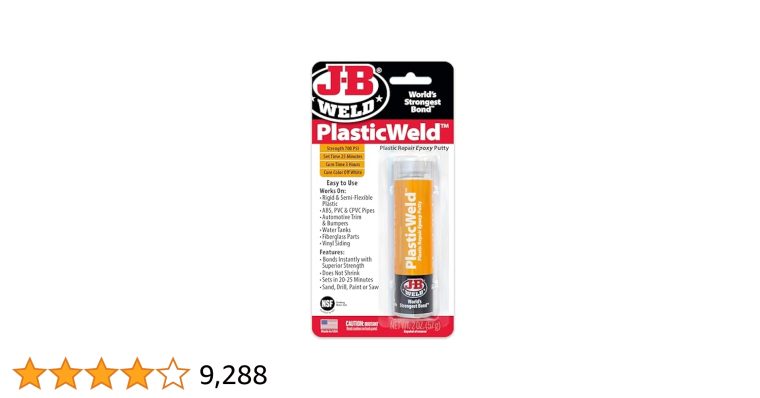
Are you wondering if J B Weld will work on plastic? You’re not alone.
When something plastic breaks, fixing it quickly and effectively becomes a top priority. But with so many adhesives out there, it’s tough to know which one will hold strong without causing more damage. This article will help you understand exactly how J B Weld performs on different types of plastic.
By the end, you’ll know if it’s the right choice for your repair or if you should look elsewhere. Keep reading to save time, money, and frustration on your next fix.
Credit: www.kmstools.com
J-b Weld And Plastic Compatibility
J-B Weld is known for its strong bonding power on metals and other surfaces. But plastic can be tricky. Different plastics react differently to adhesives. Understanding J-B Weld and plastic compatibility helps avoid failed repairs and wasted product.
J-B Weld works best on hard, rigid plastics. Soft or flexible plastics often do not bond well. The glue needs a solid surface to hold tightly. Some plastics resist adhesives entirely.
Types Of Plastics Compatible With J-b Weld
- ABS (Acrylonitrile Butadiene Styrene)
- PVC (Polyvinyl Chloride)
- Fiberglass reinforced plastic
- Some rigid polycarbonates
These plastics provide a firm base for J-B Weld to create a strong hold.
Plastics That Do Not Bond Well With J-b Weld
- Polyethylene (PE)
- Polypropylene (PP)
- Soft or flexible plastics
- Teflon and silicone-based plastics
These materials have low surface energy, making glue adhesion poor.
Preparing Plastic Surfaces For Better Bonding
- Clean the surface with soap and water
- Sand the area lightly for roughness
- Remove dust and grease completely
- Allow the surface to dry fully
Proper preparation improves J-B Weld’s grip on plastic surfaces.
Preparing Plastic Surfaces
Preparing plastic surfaces is vital before applying J-B Weld. Proper preparation ensures strong adhesion and lasting results. Plastic often has oils, dust, or smooth finishes that prevent good bonding. Cleaning and roughening the surface help the epoxy grip better.
Cleaning Techniques
Remove dirt and grease thoroughly. Use mild soap and warm water to wash the plastic. Rinse well and dry with a clean cloth. For tough oils, use isopropyl alcohol or acetone on a cloth. Avoid soaking plastic in harsh chemicals as it may damage it.
Surface Roughening
Lightly roughen the plastic surface to improve adhesion. Use fine-grit sandpaper (around 220 grit) to scuff the area gently. Sand in a circular motion for even texture. Wipe away dust with a dry cloth before applying J-B Weld. This creates a better grip for the epoxy.
Choosing The Right J-b Weld Product
Choosing the right J-B Weld product is key to fixing plastic properly. Different products suit different types of plastic and repair needs. Picking the correct one ensures a strong, lasting bond that holds well over time.
Understanding the specifics of each product helps you match it to your project. Some J-B Weld options are designed especially for plastic, while others work on multiple surfaces. Knowing their features guides you to the best choice for your repair.
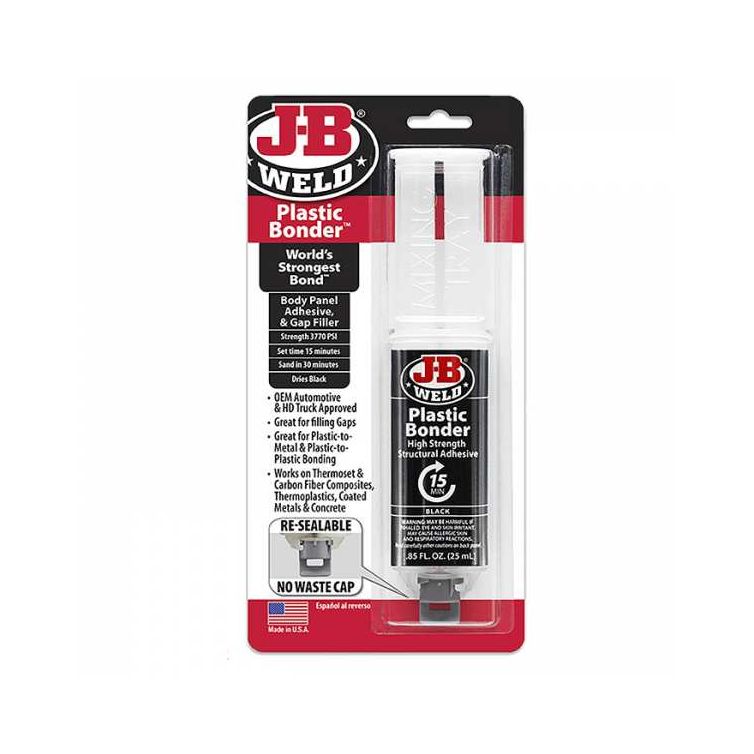
J-b Weld Plastic Bonder
J-B Weld Plastic Bonder is made just for plastic repairs. It has a strong, fast-setting formula that bonds tightly. This product works on many plastics, including PVC, ABS, and fiberglass.
The bond sets in 15 minutes and cures fully in an hour. It is tough, waterproof, and resistant to chemicals. Plastic Bonder fills gaps and cracks well, making it ideal for broken parts and holes.
- Two-part epoxy for strong adhesion
- Dries dark gray, can be sanded and painted
- Good for indoor and outdoor use
Other Suitable J-b Weld Products
Other J-B Weld products work well on plastic depending on the task. For example, J-B Weld SteelStik is a stick form epoxy that can bond plastic and metal quickly. It is easy to mold and shape for small repairs.
J-B Weld Original offers a classic two-part epoxy that adheres to many surfaces, including some plastics. It takes longer to cure but provides a very strong bond. This is good for heavy-duty repairs.
- SteelStik – quick fix, moldable, good for small jobs
- Original – strong, versatile, longer cure time
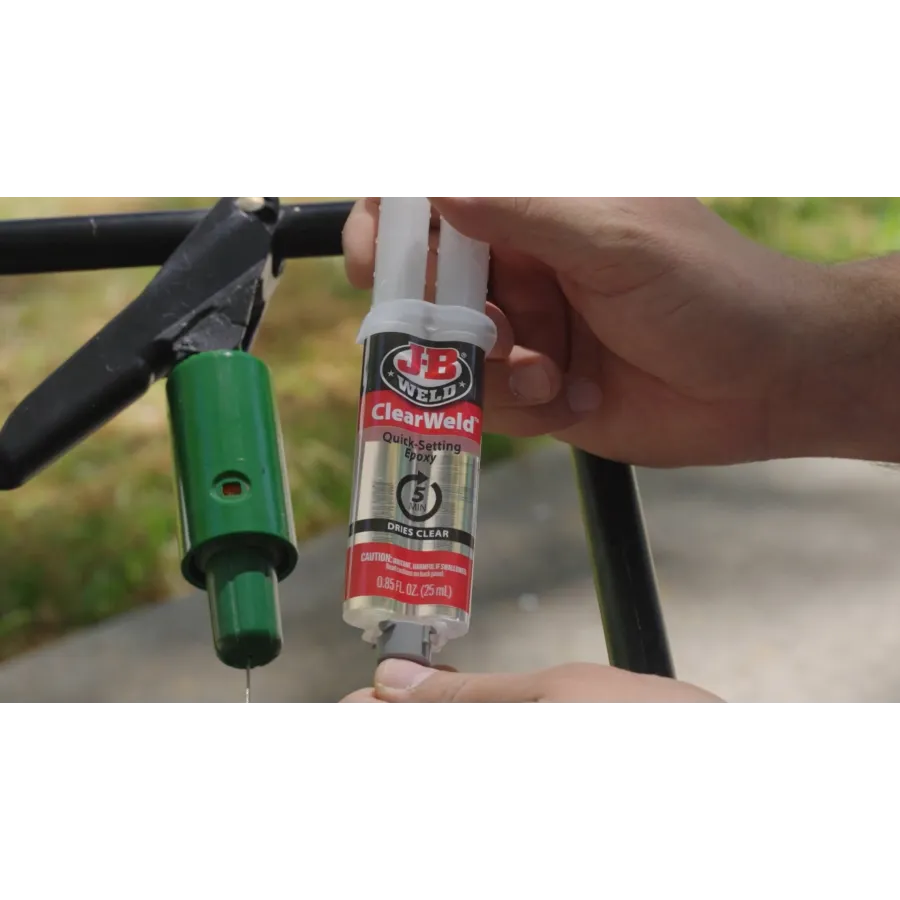
- ClearWeld – clear-drying epoxy for invisible repairs
Choosing the right product depends on the plastic type, repair size, and drying time needed. Each J-B Weld option brings unique benefits for plastic repairs.
Credit: www.jbweld.com
Application Process For Plastic Repairs
Repairing plastic with J-B Weld requires careful preparation and application. The process ensures a strong bond and lasting fix. Following the right steps helps the adhesive work effectively on plastic surfaces. Attention to detail during application improves the repair quality.
Mixing The Adhesive
Start by squeezing equal parts of the resin and hardener onto a clean surface. Use a disposable tool or stick to blend them well. Mix until the color is uniform and consistent. Avoid mixing too much at once to prevent waste. Prepare only the amount needed for the repair.
Applying The Adhesive
Clean the plastic surface thoroughly before applying the adhesive. Remove dirt, grease, and loose particles for better adhesion. Use a small brush or a wooden stick to spread the mixture. Apply the adhesive evenly over the damaged area. Press the pieces together firmly if bonding two parts. Allow the adhesive to cure as per the instructions on the package. Avoid moving the repair during this time to ensure a strong bond.
Curing Time And Conditions
Understanding the curing time and conditions of J B Weld on plastic is crucial for achieving a strong, lasting bond. The right environment helps the adhesive set properly, ensuring your repair holds up over time. Let’s look closely at the factors that impact this process.
Optimal Temperature
The temperature during curing directly affects how well J B Weld bonds with plastic. It works best between 70°F and 90°F (21°C – 32°C). If the temperature drops below this range, the curing slows down, and the bond might weaken.
On the other hand, very high temperatures can cause the epoxy to cure too quickly, leading to cracks or poor adhesion. Have you noticed your repairs failing when done in cold or overly hot conditions? That’s often why.
Drying Duration
J B Weld generally takes about 4 to 6 hours to set enough for handling, but full curing can take up to 15 hours or more. Patience here pays off — rushing the process can cause the bond to fail under stress.
For the best results, avoid moving or stressing the glued parts during this time. If your project needs to be ready quickly, think about how the drying time fits into your schedule to avoid frustration.
Testing The Bond Strength
Testing the bond strength of J B Weld on plastic reveals how well it holds under pressure. The glue’s ability to stick and stay stuck matters most. Different tests show if it can handle real-life use.
Stress Tests
Stress tests measure how much force the bond can take before breaking. These tests stretch, twist, or pull the glued plastic pieces. The goal is to see if the bond stays strong or fails quickly.
- Tensile strength test pulls glued parts apart slowly.
- Shear test applies force parallel to the bond surface.
- Impact test hits the bond to check for sudden breaks.
J B Weld often shows good resistance in these tests on hard plastics. On softer plastics, the bond might weaken faster under stress.
Performance In Different Conditions
Testing also includes checking the bond under various conditions. Heat, moisture, and cold affect how well the glue sticks to plastic.
- Heat can soften some plastics and weaken the bond.
- Water exposure may cause some bonds to lose strength.
- Cold temperatures can make the glue brittle and crack.
J B Weld bonds usually hold well in dry, room-temperature environments. Extreme conditions might reduce the bond’s durability on plastic surfaces.
Common Mistakes And How To Avoid Them
Many people face problems using J B Weld on plastic because of common mistakes. These errors reduce the bond strength and cause the repair to fail quickly. Understanding these mistakes helps create a strong and lasting fix.
Inadequate Surface Preparation
One major mistake is not cleaning the plastic surface properly. Dirt, grease, or oil stops the adhesive from sticking well. Always wash the area with soap and water. Dry it completely before applying J B Weld.
Roughening the plastic surface with sandpaper improves adhesion. Smooth plastic may not hold the glue tightly. Use fine-grit sandpaper to create a slightly rough texture. This step gives the adhesive more area to grip.
Incorrect Adhesive Mixing
J B Weld works best when the two parts mix evenly. Mixing too little or too much hardener or resin weakens the bond. Follow the instructions and measure carefully.
Mix the two components thoroughly for at least one minute. Poor mixing causes soft spots or sticky areas. Use a clean surface or disposable container to avoid contamination.
Tips For Long-lasting Repairs
Making repairs with J-B Weld on plastic last longer takes care and attention. Simple actions can keep the bond strong and prevent the fix from breaking down. Understanding the right environment and upkeep helps maintain the repair’s strength and durability.
Environmental Considerations
Choose a dry, clean place for the repair. Moisture and dirt weaken the bond. Avoid extreme heat or cold near the fixed area. These can cause the plastic to expand or contract, breaking the glue seal. Let the glue fully cure before exposing it to water or heavy use. Proper curing time is key to a strong hold.
Regular Maintenance
Check the repaired area regularly for cracks or peeling. Clean it gently with a soft cloth to remove dust and dirt. Avoid harsh chemicals that can break down the glue. If small cracks appear, reapply J-B Weld to stop further damage. Regular care keeps the repair stable and extends its life.
Alternative Solutions For Plastic Repairs
Plastic repairs require special care because not all adhesives work well. Choosing the right glue or bonding agent is important for strong, lasting fixes. There are several alternatives to JB Weld for plastic repairs. These options offer better results for different types of plastic.
Using Epoxy
Epoxy is a popular choice for plastic repairs. It comes as two parts that mix before use. Once mixed, epoxy creates a strong bond and hardens quickly. It works well on many plastics, especially hard and rigid types.
Epoxy fills gaps and cracks, adding strength to broken parts. It also resists water and chemicals, making it good for outdoor repairs. Some epoxies are specially made for plastic, improving adhesion and durability.
Other Adhesive Options
Several adhesives work well on plastic. Each type has its own strengths and uses:
- Super Glue (Cyanoacrylate):Bonds fast and works best on smooth surfaces. Ideal for small cracks and quick fixes.
- Plastic Weld:Melts plastic surfaces to fuse them together. Provides a strong, permanent bond on similar plastics.
- Polyurethane Adhesive:Flexible and waterproof. Good for plastics that need some movement without breaking.
- Silicone Adhesive:Stays flexible and resists weather. Useful for sealing and bonding plastic in moist areas.
Choosing the right adhesive depends on the plastic type and repair needs. Always check product labels for compatibility with your plastic item.

Credit: www.kmstools.com
Frequently Asked Questions
Will J B Weld Bond All Types Of Plastic?
J B Weld works best on rigid plastics like PVC and ABS. It may not bond well with flexible or polyethylene plastics. Always check the product label and test on a small area first for optimal results.
How Long Does J B Weld Take To Cure On Plastic?
J B Weld typically cures in 4 to 6 hours on plastic. Full strength is usually reached after 15 to 24 hours. Cure time may vary depending on temperature and plastic type.
Is J B Weld Waterproof When Used On Plastic?
Yes, J B Weld creates a waterproof bond on most plastics. It seals cracks and holes effectively, making it suitable for water-related repairs. However, ensure the surface is clean and dry before application.
Can J B Weld Withstand Heat On Plastic Repairs?
J B Weld can withstand moderate heat up to 550°F when set. It’s suitable for plastic parts exposed to some heat but not for continuous high-temperature exposure. Check the plastic’s heat tolerance as well.
Conclusion
J B Weld can work on some plastics, but not all types. It bonds best with hard plastics like PVC or ABS. Soft or flexible plastics may not hold well. Surface preparation, like cleaning and roughening, helps the glue stick better.
Let the glue cure fully for a strong hold. Testing a small area first is a smart idea. J B Weld offers a strong, lasting fix for many plastic repairs. Choose the right product and follow instructions carefully. The right glue can save time and money on plastic fixes.
About The Author

