
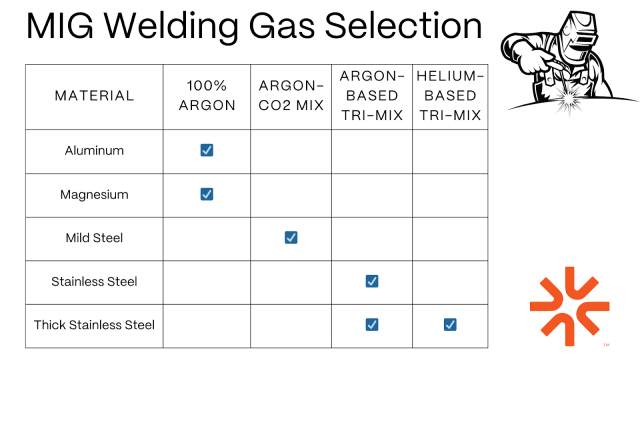
If you’re working with aluminum and want strong, clean welds, choosing the right gas for MIG welding is crucial. The gas you pick can make the difference between weak joints and durable, professional results.
But what gas should you use for MIG welding aluminum? Understanding this will save you time, money, and frustration. Keep reading to discover the best gas options that will help you get the job done right every time.

Credit: www.facebook.com
Mig Welding Basics
MIG welding is a popular technique used to join metals. It uses a continuous wire electrode and shielding gas. This method creates strong, clean welds quickly. Understanding the basics helps you grasp how MIG welding works and why specific gases matter.
Definition And Process
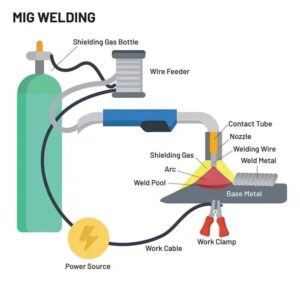
MIG stands for Metal Inert Gas welding. It melts metal using an electric arc formed between a wire electrode and the workpiece. The wire feeds automatically through a welding gun. Shielding gas flows around the weld area to protect it from air and contaminants. This gas prevents oxidation and ensures smooth welds. The process is easy to learn and works well on thin and thick metals.
Applications In Industry
MIG welding is common in automotive, construction, and manufacturing fields. It joins metals like steel, aluminum, and stainless steel. The method suits building frames, pipelines, and machinery parts. Its speed and cleanliness save time and reduce costs. Industries value MIG welding for its efficiency and strong results.
Aluminum Welding Challenges
Welding aluminum presents unique challenges due to its physical and chemical properties. Understanding these challenges helps improve welding quality and prevents common problems. Aluminum requires special care, proper techniques, and suitable gas mixtures for clean, strong welds.
Material Properties
Aluminum is lightweight but strong. It has a low melting point compared to steel. This means it melts quickly and needs precise heat control. Aluminum also forms a tough oxide layer on its surface. This oxide melts at a much higher temperature than the base metal. It can block proper fusion and cause weak welds. The metal’s high thermal conductivity spreads heat fast. This makes it harder to maintain the right temperature during welding.
Common Issues
- Porosity: Trapped gas creates holes in the weld, weakening it.
- Cracking: Rapid cooling or incorrect filler material causes cracks.
- Warping: Excess heat can bend or distort thin aluminum parts.
- Lack of fusion: The oxide layer or wrong settings stop proper bonding.
- Spatter: Excessive heat or wrong gas mix causes small metal droplets.
Gas Types For Aluminum Welding
Choosing the right gas for MIG welding aluminum is crucial for achieving clean, strong welds. Different gases influence the heat, arc stability, and overall weld quality. Understanding these gas types helps you tailor your welding setup to get the best results on your aluminum projects.
Argon
Argon is the most common shielding gas used for MIG welding aluminum. It provides excellent arc stability and creates a smooth, consistent weld pool. If you want minimal spatter and clean welds, argon is your go-to choice.
Many welders prefer pure argon because it helps control the weld bead shape and reduces oxidation. Have you noticed how argon shields the molten aluminum from air contaminants? That’s why it’s so effective.
Helium
Helium offers higher heat than argon, which is helpful when welding thicker aluminum sections. It produces a hotter arc, allowing deeper penetration and faster welding speeds. However, it can be more expensive and may create a less stable arc compared to argon.
If your projects involve heavy-duty aluminum parts, helium can make a big difference. But consider whether the increased heat is necessary for your specific tasks before choosing helium.
Argon-helium Mixtures
Mixing argon and helium combines the benefits of both gases. These blends provide good arc stability and enhanced heat input, making them versatile for various aluminum thicknesses. Many welders find that argon-helium mixtures improve weld quality without sacrificing control.
You might try a 75% argon and 25% helium mix to balance cost and performance. Experimenting with different ratios can help you find the perfect gas mix for your welding style and materials.
Choosing The Right Gas
Choosing the right gas for MIG welding aluminum affects weld quality and ease. The correct shielding gas protects the weld pool from contamination and controls the arc’s behavior. Several gases and mixes serve different needs. Understanding their benefits helps pick the best one for each project.
Factors To Consider
- Type of aluminum alloy being welded
- Thickness of the material
- Welding position and environment
- Desired weld appearance and penetration
- Compatibility with the welding equipment
Pure argon is common for thin aluminum sheets. For thicker materials, argon mixed with helium improves heat input. Gas flow rate and purity also impact weld stability and spatter levels.
Cost Implications
Pure argon is usually cheaper than argon-helium mixes. Helium raises the gas cost but can speed welding and improve bead shape. Consider how gas price fits the project budget.
Using the right gas reduces defects and rework, saving money over time. Bulk gas purchases often lower the price per unit.
Performance Comparisons
| Gas Type | Weld Quality | Heat Input | Common Use |
|---|---|---|---|
| 100% Argon | Good | Low | Thin aluminum |
| Argon + Helium (75/25) | Excellent | Higher | Thicker aluminum |
| Argon + Oxygen (small %) | Moderate | Low | Special cases |
Helium boosts heat for deeper penetration and faster travel speed. Argon offers smooth arcs and clean welds on light gauge aluminum. Small oxygen additions can help wetting but are rare for aluminum.
Gas Flow And Pressure Settings
Gas flow and pressure settings play a crucial role in MIG welding aluminum. Getting these settings right ensures a clean weld, reduces spatter, and improves overall weld quality. If you’ve ever struggled with porosity or inconsistent weld beads, adjusting flow and pressure might be the fix you need.
Optimal Flow Rates
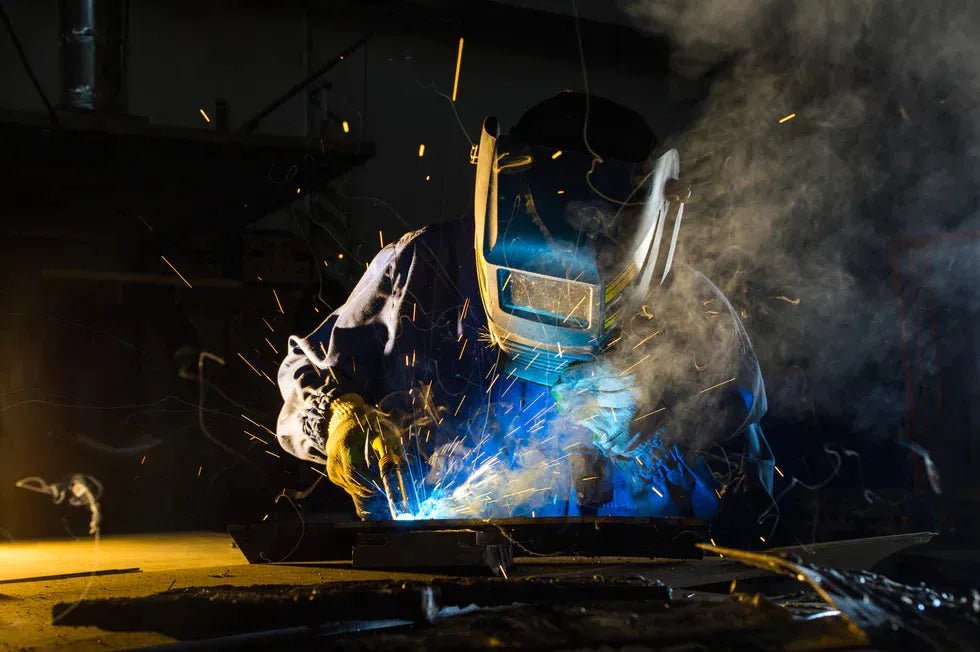
For MIG welding aluminum, the most commonly used shielding gas is pure argon. The typical flow rate ranges between 20 to 30 cubic feet per hour (CFH). Too low a flow rate lets air contaminate the weld, causing defects.
On the other hand, too high a flow rate can create turbulence, blowing away the shielding gas and allowing oxygen in. You want just enough gas to shield the weld pool without wasting gas or causing drafts.
When I first started welding aluminum, I set the flow rate too high, which led to inconsistent welds. Reducing it to around 25 CFH stabilized the arc and improved weld appearance immediately. What flow rate are you currently using?
Pressure Adjustments
Pressure settings control how the gas flows through your nozzle and into the weld area. Most MIG welders operate at a pressure between 10 to 20 psifor aluminum welding.
Too much pressure forces the gas out too quickly, which can cause the gas to mix with air and reduce shielding effectiveness. Too little pressure may not adequately protect the weld pool, leading to oxidation.
Adjusting pressure also depends on the size of your nozzle and the position you’re welding in. If you notice excessive spatter or porosity, try fine-tuning the pressure incrementally and observe the effects.
Credit: weldingmart.com
Safety Considerations
Safety should never take a backseat when you’re welding aluminum with MIG. The gases used can be hazardous if mishandled, and the welding environment itself poses risks. Understanding how to manage these dangers will protect you and everyone around you.
Handling And Storage
Gas cylinders for MIG welding aluminum, like argon or argon mixtures, are under high pressure. Always keep them upright and secure to prevent tipping or falling.
Store cylinders away from heat sources and direct sunlight to avoid pressure buildup. Have you checked recently if your storage area is well-ventilated? Proper ventilation prevents gas accumulation that could lead to dangerous situations.
Before using a cylinder, inspect the valve and regulator for leaks or damage. A small leak can quickly turn into a big safety hazard.
Protective Equipment
Welding aluminum requires more than just a helmet. You need gloves, flame-resistant clothing, and eye protection that filters out harmful UV and infrared rays.
Have you ever felt the sting of sparks or hot metal? Good gloves and clothing prevent burns and skin damage. Eye protection is non-negotiable—welding arcs can cause serious eye injuries in seconds.
Using a respirator might also be necessary, especially in confined spaces, to protect your lungs from fumes. Your safety gear is your first line of defense; don’t skip any part of it.
Advanced Tips And Techniques
Mastering the gas used for MIG welding aluminum requires more than just knowing the right mixture; it demands fine-tuning your technique and understanding the nuances that affect your weld quality. Small adjustments can make a big difference in how clean and strong your weld turns out. Let’s dig into some advanced tips and techniques that can elevate your aluminum welding projects.
Improving Weld Quality
Choosing the right shielding gas is just the start. Pure argon is the go-to for MIG welding aluminum, but adjusting your gas flow rate can improve your weld’s stability. Too little gas causes contamination, while too much wastes material and creates turbulence.
Consider using a gas flow rate between 20 to 30 cubic feet per hour (CFH) for most setups. This range helps maintain a smooth, consistent arc and minimizes oxidation. Also, keeping your nozzle clean and free from spatter will help maintain gas coverage.
Your welding technique matters just as much. Use a push angle rather than a drag angle; this means pointing the gun in the direction you’re welding. This technique protects the molten weld pool better from air exposure, reducing porosity.
Troubleshooting Common Problems
If you notice porosity or weak welds, check your gas supply first. A leaking hose or poor connection can cause inconsistent shielding gas flow. Have you ever double-checked your fittings before blaming your technique? It can save you a lot of frustration.
Spatter buildup inside the nozzle often leads to poor gas coverage. Using anti-spatter spray and cleaning the nozzle regularly can prevent this issue. Another common problem is an unstable arc, which might mean your gas flow is too high or your contact tip is worn out.
Finally, if your weld beads appear rough or irregular, adjust your travel speed. Moving too fast leaves gaps, while moving too slow causes excessive heat buildup. Experiment with small changes until you find the sweet spot for your machine and material thickness.
Credit: www.elgas.com.au
Frequently Asked Questions
What Gas Is Best For Mig Welding Aluminum?
Argon gas is best for MIG welding aluminum. It provides excellent arc stability and smooth welds. Pure argon ensures proper shielding and reduces oxidation during welding.
Can Co2 Be Used For Mig Welding Aluminum?
CO2 is not recommended for MIG welding aluminum. It causes rough welds and poor arc control. Argon or argon-rich gas mixtures are preferred for clean aluminum welds.
Why Is Argon Gas Preferred For Aluminum Mig Welding?
Argon gas offers better arc stability and weld quality. It prevents contamination and oxidation on aluminum surfaces. This results in stronger, cleaner, and more visually appealing welds.
What Gas Mixture Works Best For Aluminum Mig Welding?
A mix of 90-100% argon with small helium or oxygen additions improves weld penetration. Pure argon is common, but helium boosts heat for thicker aluminum materials.
Conclusion
Choosing the right gas helps weld aluminum cleanly and strongly. Pure argon is the common choice for MIG welding aluminum. It creates a smooth, stable arc and good weld quality. Using the correct gas prevents problems like porosity and weak joints.
Remember, simple gas mixtures often work best for aluminum. This knowledge makes welding easier and more reliable. Keep your setup correct for best results every time. Welding aluminum doesn’t have to be hard with the right gas.
About The Author

